
Introduction
Classroom clutter is rarely caused by too many materials; it usually comes from systems that do not match how a classroom actually functions. When supplies, papers, and learning tools lack clear placement, teachers lose time and students lose focus. Effective classroom organization hacks reduce friction by controlling visibility, access, and movement rather than relying on constant cleanup. The goal is not perfection, but predictability. When students know where items belong and teachers can reset the room quickly, the classroom feels calmer and more productive. These strategies work best when supported by creative organization ideas for your school office that reinforce consistent routines beyond the classroom itself.
1. Zone-Based Organization That Matches Classroom Activities
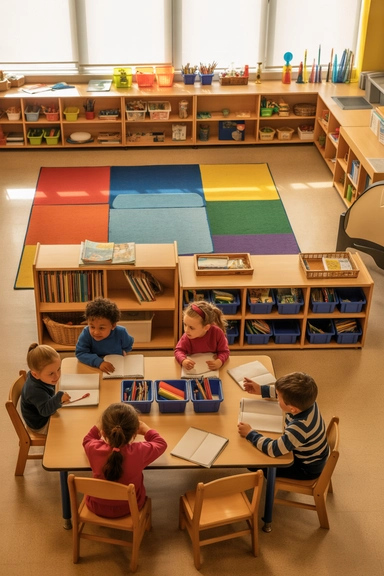
One of the most effective classroom organization hacks is dividing the room into clear activity zones. Reading, group work, independent study, and supply areas should each have defined boundaries. When zones are unclear, materials drift and students become uncertain about expectations.
Clear zoning reduces confusion and supports classroom flow. In small classrooms, zones prevent congestion. In larger classrooms, they maintain structure across multiple learning activities. When each area has a purpose and matching storage, students return items naturally, reducing daily mess without repeated reminders.
2. Student-Accessible Storage That Reduces Interruptions
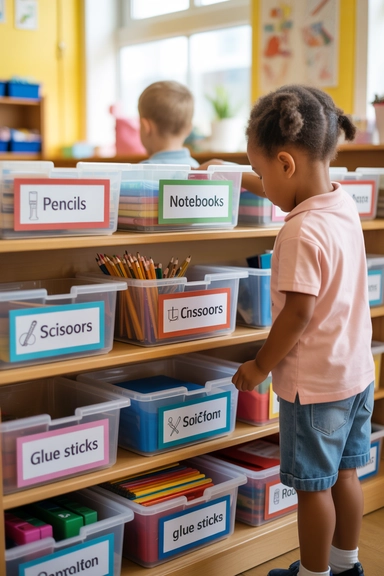
Classroom clutter increases when students must ask teachers for basic supplies. Storage that students can access independently is a foundational classroom organization hack. When materials are visible, reachable, and clearly labeled, students retrieve what they need without disrupting instruction.
Accessibility must be balanced with control. Storage should limit overhandling and wandering. In early grades, open bins work well. In higher grades, drawers or caddies provide structure. When students manage supplies themselves, classrooms stay organized and instructional time is protected.
3. Vertical Wall Storage That Frees Floor Space
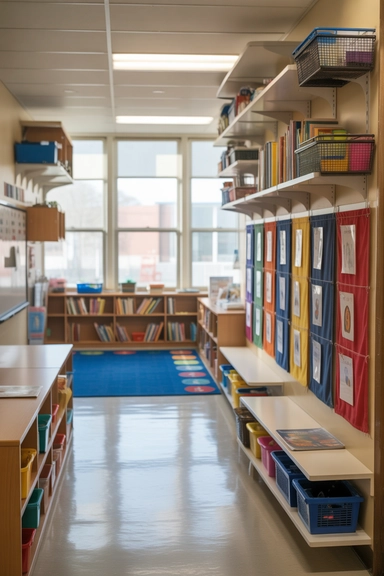
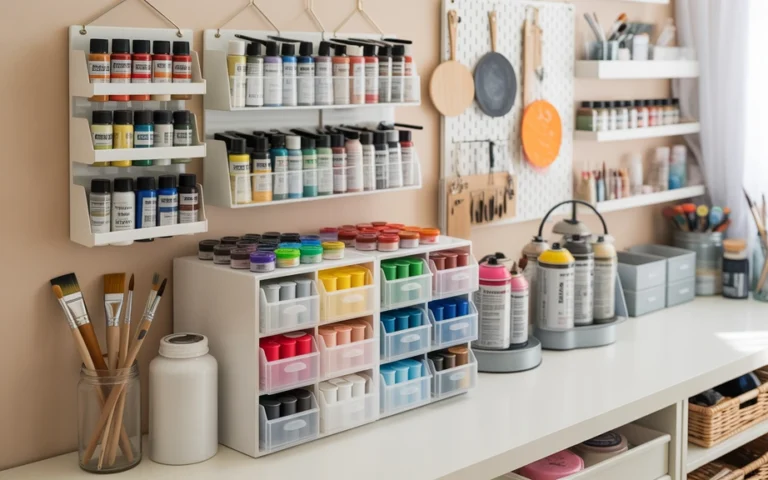
Floor congestion is a major contributor to classroom chaos. Using vertical wall storage is one of the most space-efficient classroom organization hacks available. Shelving, pocket charts, and wall-mounted organizers lift materials off the floor and keep walkways clear.
Vertical storage must remain shallow and intentional. Overloaded walls become visually distracting. In small classrooms, wall storage increases capacity without shrinking movement space. In larger classrooms, it prevents storage furniture from dominating the layout. Vertical organization supports both safety and focus.
4. Paper Management Systems That Prevent Pileups
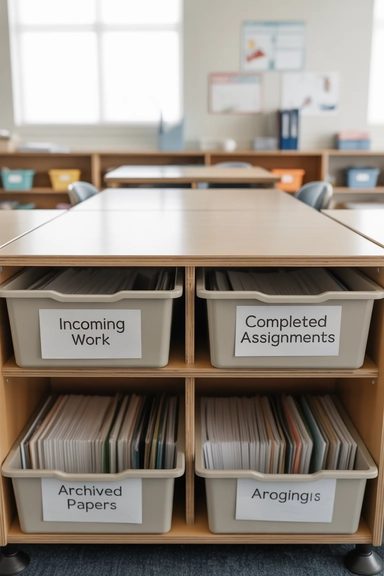
Paper clutter overwhelms classrooms faster than almost anything else. Without a clear system, worksheets, assignments, and notices pile up on desks and counters. A reliable paper flow is one of the most important classroom organization hacks for maintaining order.
Effective paper systems separate incoming, outgoing, and archived work. Trays, folders, or wall slots help manage volume. In any classroom size, paper systems reduce decision fatigue. When papers have a clear path, surfaces stay clear and stress drops significantly.
5. Limited-Supply Displays That Reduce Visual Overload
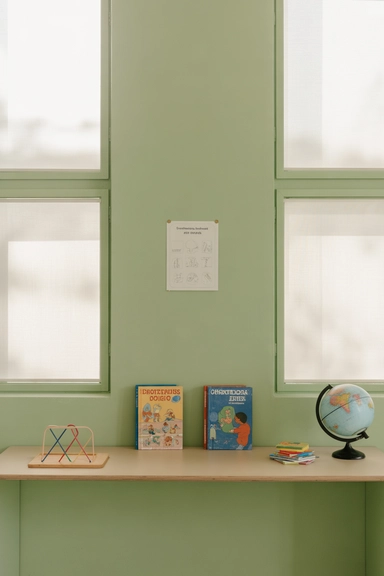
Overexposed supplies create visual noise that distracts students and contributes to clutter. One overlooked classroom organization hack is limiting how many materials are displayed at once. Only current or frequently used supplies should remain visible.
Storing extras out of sight preserves focus. In small classrooms, this prevents overcrowding. In larger classrooms, it keeps walls and shelves purposeful rather than chaotic. Controlled visibility helps students concentrate and makes the room feel calmer and more intentional.
6. Clearly Labeled Systems That Reduce Student Confusion
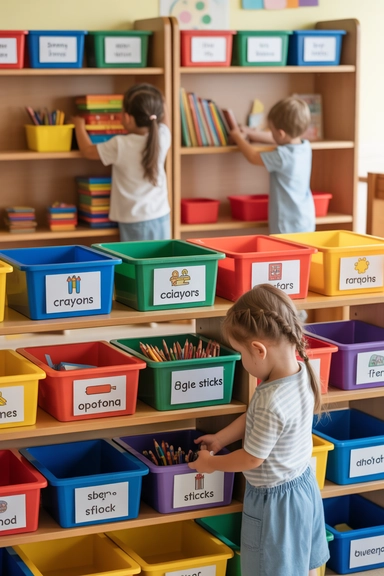
Unlabeled storage forces students to guess, which leads to misplaced items and repeated interruptions. One of the most effective classroom organization hacks is using clear, consistent labeling so students immediately know where things belong. Labels reduce dependence on teacher instructions and help routines run smoothly.
Labels should be simple, readable, and age-appropriate. Too much text or decorative labeling creates confusion rather than clarity. In early classrooms, picture labels support independence. In upper grades, concise text works best. When labels are consistent across the room, students return materials correctly without reminders.
7. Mobile Storage That Adapts to Changing Activities
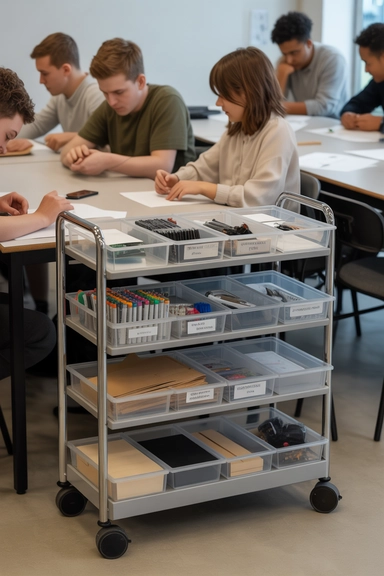
Classrooms are dynamic environments, and fixed storage often fails to support shifting activities. Mobile storage is a highly practical classroom organization hack because it allows supplies to move where learning happens. Carts, rolling caddies, or portable bins reduce back-and-forth movement.
Mobility must be controlled to avoid clutter migration. Each mobile unit should have a clear purpose and designated parking spot. In small classrooms, mobile storage replaces excess furniture. In larger classrooms, it supports flexible learning setups. When storage moves intentionally, chaos does not follow.
8. Desk Organization That Prevents Surface Clutter
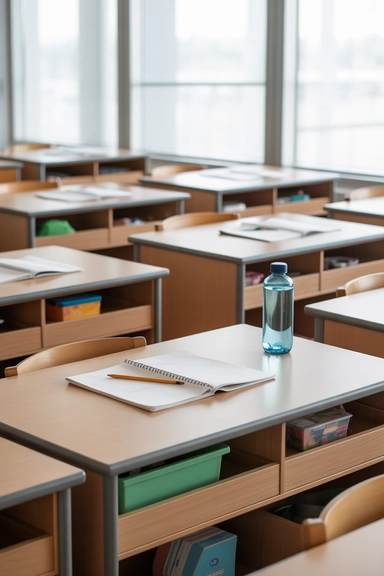
Student desks quickly become cluttered when storage inside them is unstructured. One of the most impactful classroom organization hacks is creating simple internal desk systems that limit what stays accessible. When desks overflow, clutter spills onto surfaces and distracts learning.
Desk organization works best when only daily essentials are kept inside. Excess supplies belong elsewhere. In younger grades, compartment trays help. In older grades, minimal desk storage reduces hoarding. Organized desks lead to clearer thinking and faster transitions between tasks.
9. Centralized Supply Stations That Replace Desk Stockpiles
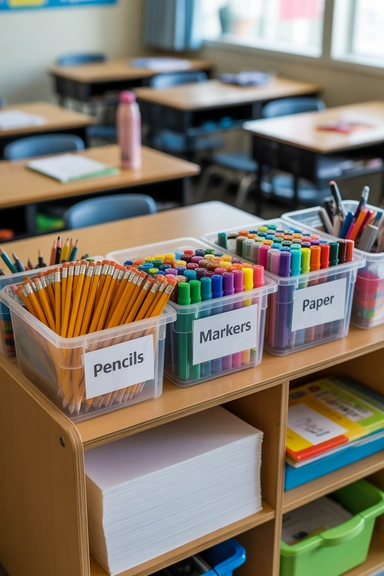
When every student stores identical supplies at their desk, classrooms become cluttered and wasteful. A centralized supply station is a powerful classroom organization hack that reduces duplication and visual noise. Shared access keeps materials contained and easier to monitor.
Supply stations should be clearly defined and restocked on a schedule. Overcrowded stations create chaos, so limits are essential. In small classrooms, central stations free desk space. In larger classrooms, they reduce unnecessary movement. Shared systems promote responsibility while maintaining order.
10. Visual Boundaries That Help Students Stay Organized
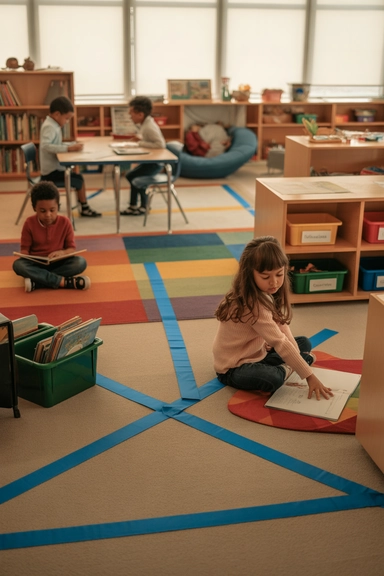
Students often struggle with organization because boundaries are unclear. Visual boundaries such as rugs, tape lines, shelf placement, or furniture positioning are effective classroom organization hacks that guide behavior without constant verbal reminders.
Boundaries help students understand where activities begin and end. In small classrooms, they prevent overlap and congestion. In larger classrooms, they maintain order across multiple learning zones. Visual structure supports independence and reduces the need for corrective intervention.
11. End-of-Day Reset Systems That Keep Order Consistent
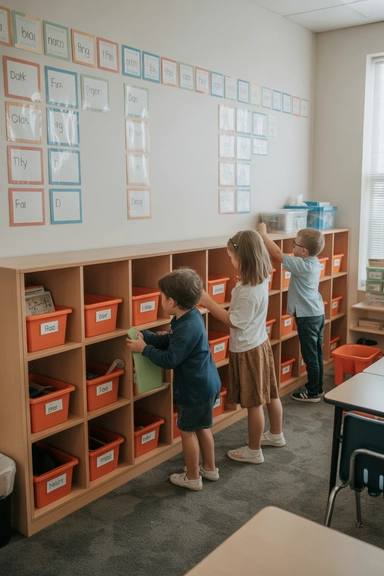
Classrooms rarely fall apart during lessons; disorder accumulates at the end of the day. One of the most sustainable classroom organization hacks is establishing a simple reset routine before dismissal. When resetting is built into the schedule, clutter never fully takes hold.
Reset systems should be quick and predictable. Assigning roles or checklists helps students participate. In any classroom size, consistent resets protect instructional time the next day. When order is restored daily, organization becomes maintenance instead of recovery.
12. Storage That Separates Teacher Materials From Student Supplies
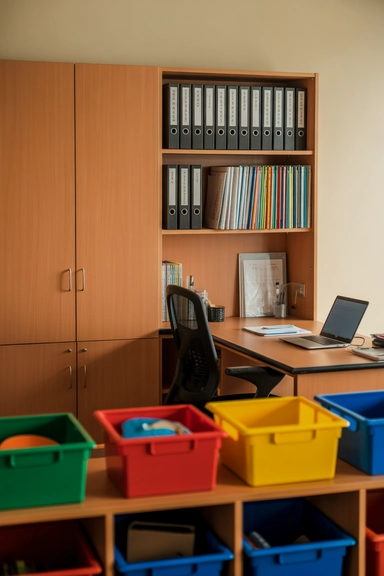
Classroom organization breaks down quickly when teacher materials mix with student supplies. One of the most effective classroom organization hacks is creating clear separation between what teachers use and what students access. Lesson plans, assessment tools, and sensitive materials require controlled storage that students do not handle.
Separation reduces interruptions and prevents accidental misplacement. In small classrooms, this keeps teacher areas functional without expanding footprint. In larger classrooms, it maintains authority and structure. When students know which materials are off-limits, boundaries are respected and clutter decreases.
13. Assignment Turn-In Systems That Prevent Paper Bottlenecks
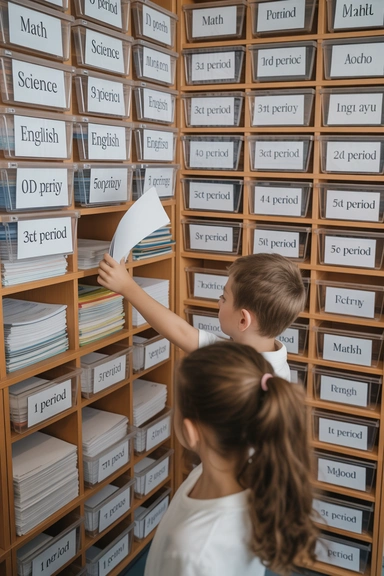
Paper chaos often peaks during assignment submission. Without a clear system, papers pile up on desks and counters, disrupting flow. A reliable turn-in system is a foundational classroom organization hack that controls volume and timing.
Turn-in systems should be clearly labeled and easy to access without crowding. Separate trays for different classes or subjects prevent mixing. In any classroom size, structured intake reduces stress and lost work. When submissions follow a predictable path, paper clutter stops spreading.
14. Wall Displays That Serve Function, Not Decoration
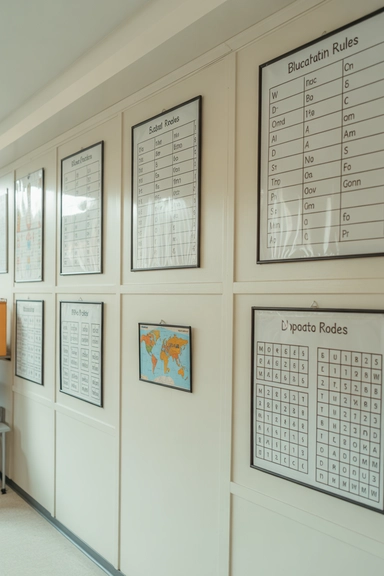
Walls fill up quickly in classrooms, but not all displays support learning. One overlooked classroom organization hack is limiting wall displays to functional content. Overdecorated walls create visual overload and distract students from instruction.
Functional displays such as schedules, rules, and reference charts provide clarity. Rotating displays prevents stagnation. In small classrooms, restraint keeps walls breathable. In larger classrooms, it maintains focus zones. Purpose-driven walls reduce visual clutter while still supporting learning.
15. Student-Owned Storage That Encourages Responsibility
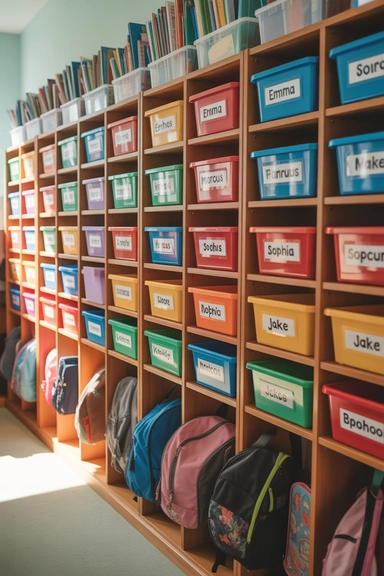
When storage ownership is unclear, students treat shared spaces carelessly. Assigning individual storage is a powerful classroom organization hack that encourages accountability. Cubby spaces, bins, or lockers give students responsibility for their materials.
Ownership reduces mixing and loss. In early grades, simple bins work well. In higher grades, labeled shelves or lockers add structure. In any classroom size, personal storage prevents clutter from spreading across shared areas and reinforces organizational habits.
16. Supply Limits That Prevent Overhandling and Waste
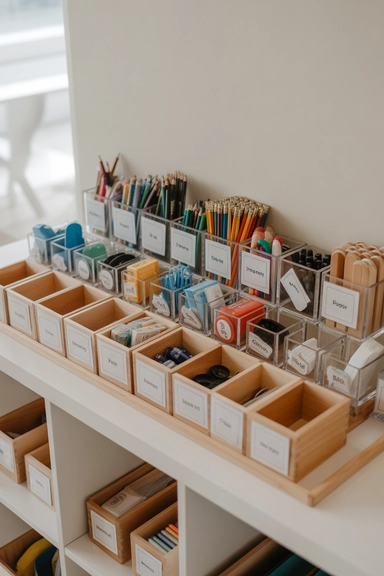
Unlimited access to supplies leads to clutter, waste, and constant cleanup. One of the most effective classroom organization hacks is setting clear supply limits. Controlled access ensures materials are used intentionally rather than impulsively.
Limits can be enforced through smaller containers, refill schedules, or monitored stations. In small classrooms, this preserves space. In larger classrooms, it reduces mess and cost. When supply availability is intentional, organization improves without added supervision.
17. Flexible Seating Storage That Supports Order
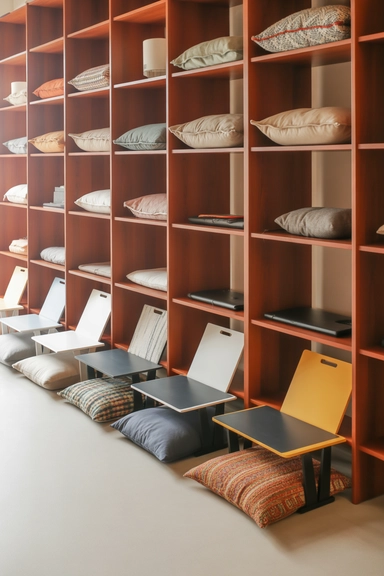
Flexible seating introduces new organizational challenges if storage is not planned alongside it. One important classroom organization hack is pairing flexible seating with matching storage solutions. Cushions, lap desks, and stools need defined homes to prevent floor clutter.
Storage should be close to seating areas and easy to reset. In small classrooms, this prevents congestion. In larger classrooms, it supports choice without chaos. When seating and storage work together, flexibility enhances learning instead of disrupting order.
18. Storage That Aligns With Daily Classroom Movement
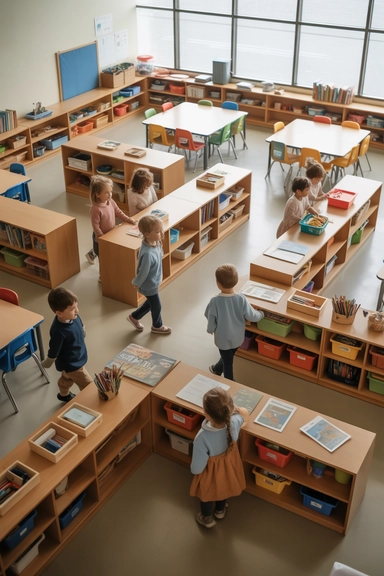
Classroom clutter often appears when storage placement does not match how students and teachers move throughout the day. When frequently used materials are stored far from where activities happen, items are left out and pile up. One of the most effective classroom organization hacks is placing storage directly along natural movement paths.
This alignment reduces interruptions and congestion. In small classrooms, it prevents bottlenecks near desks or doors. In larger classrooms, it keeps materials from migrating between zones. When storage supports movement instead of fighting it, order becomes a natural outcome rather than a constant correction.
19. Minimal Desk Footprints That Reduce Visual Noise
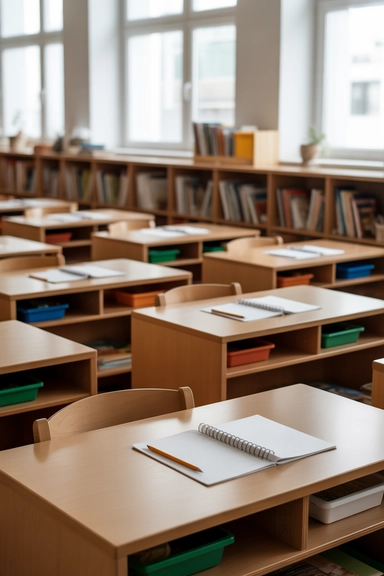
Large desks crowded with supplies contribute heavily to visual clutter and distraction. Reducing the desk footprint is a practical classroom organization hack that improves focus. When desks hold only what is necessary, students engage more easily with instruction.
This does not mean removing storage entirely, but relocating it. Shared supply stations and nearby storage absorb excess materials. In small classrooms, minimal desks preserve space. In larger classrooms, they maintain clean sightlines. Fewer desk items lead to calmer, more attentive learning environments.
20. Consistent Storage Rules That Students Can Follow Independently
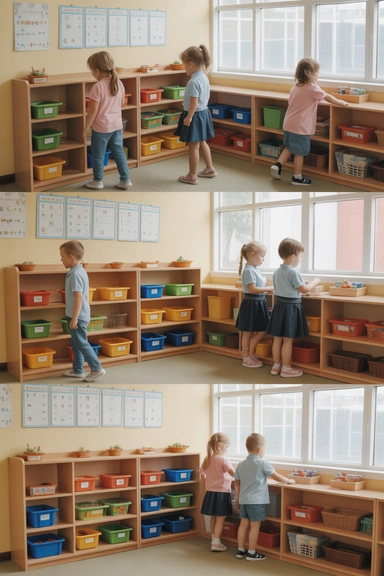
Organization systems fail when rules change or are unclear. One overlooked classroom organization hack is maintaining consistent storage rules that students can follow without reminders. When expectations remain stable, students internalize routines.
Consistency includes where items go, how they are returned, and when they are accessed. In early grades, modeling reinforces habits. In upper grades, consistency builds autonomy. In any classroom size, predictable systems reduce teacher workload and prevent daily disorder.
21. Storage That Supports Quick Transitions Between Activities
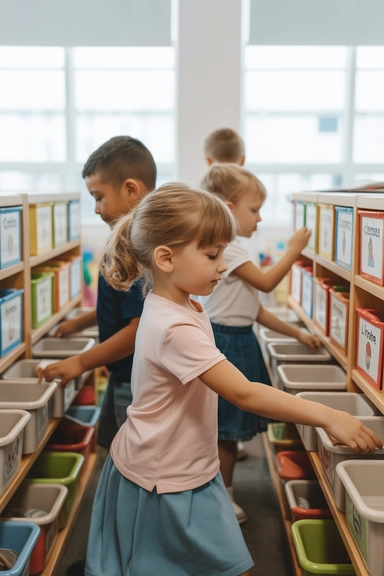
Transitions are high-risk moments for classroom clutter. When storage is slow or confusing, materials linger on desks and floors. One of the most effective classroom organization hacks is designing storage that supports fast transitions between activities.
Storage should allow multiple students to access materials simultaneously without crowding. Clear labels and shallow containers help. In small classrooms, this prevents congestion. In larger classrooms, it keeps energy focused. Quick transitions protect instructional time and maintain order.
22. Organization Systems That Feel Permanent, Not Temporary
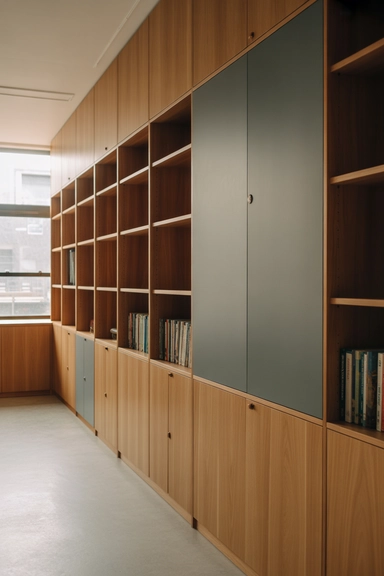
Classrooms often rely on makeshift storage that never quite feels finished. One of the most powerful classroom organization hacks is creating systems that feel permanent and intentional. When storage looks established, it is respected and maintained.
Permanent systems reduce the urge to pile items temporarily. In small classrooms, this prevents overflow. In larger classrooms, it stops gradual decay into clutter. When organization feels built-in rather than improvised, students and teachers treat it as part of the classroom structure.
Conclusion
Classroom organization hacks work best when they align with real classroom behavior rather than idealized routines. By controlling visibility, movement, access, and reset routines, classrooms stay functional without constant intervention. The most effective systems reduce friction, support student independence, and protect instructional time. When organization feels predictable and permanent, classrooms become calmer, more focused spaces where learning can take priority over cleanup.