
Introduction
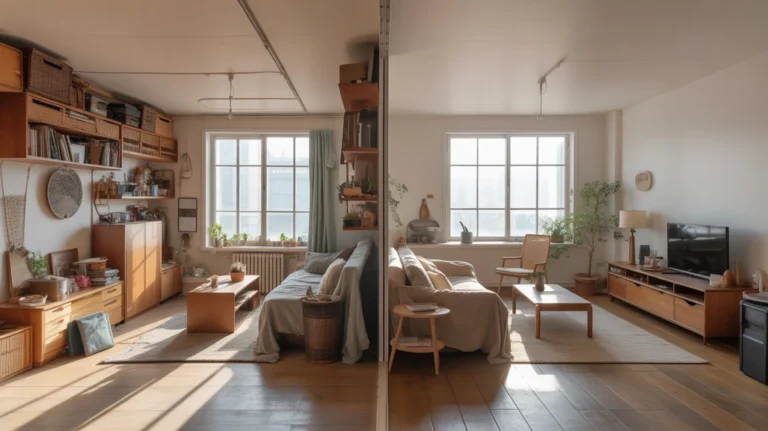
I used to keep every toy out, thinking it would keep kids entertained longer. It didn’t. The room got messy fast, and nothing held their attention for long.
Once I started using toy rotation storage ideas, things changed quickly. Fewer toys out meant less mess, more focused play, and a room that actually felt manageable.
The idea is simple. Don’t remove toys, just control access. Keep some out, store the rest, and rotate them over time.
If your space still feels cluttered no matter how much you tidy, this is usually the missing piece Caddy Organizing Ideas for more containment strategies.
Closed Cabinet System With Labeled Rotation Bins
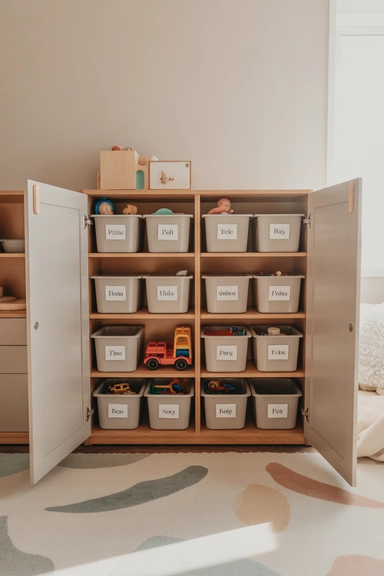
I used open shelves for a while, and toys just kept spilling out. Even when I cleaned up, the room still looked busy.
Switching to a closed cabinet helped immediately. Once toys sat behind doors, the space felt calmer, and I had better control over what stayed out.
Here’s what worked for me:
- Labeled bins by category so nothing gets mixed
- Only 2–3 bins accessible at a time to keep choices limited
- Extra bins stored out of sight for the next rotation
I made one mistake early. I left too many bins inside the cabinet and still accessible. That brought back the same mess. Limiting access is what actually makes this work.
I keep current toys on lower shelves and the next set higher up. Every 2–4 weeks, I swap them. It keeps things feeling new without adding more toys.
Under-Bed Rolling Bins for Off-Cycle Toys
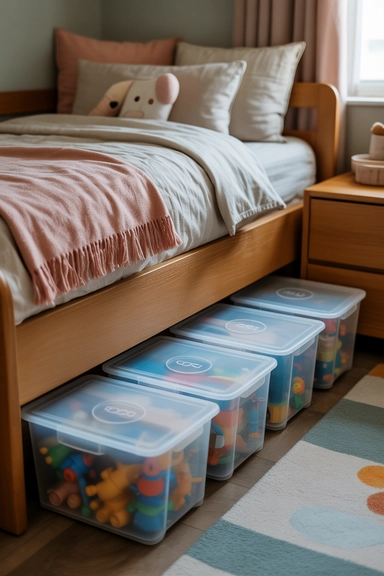
I used to ignore the space under the bed. It just collected random stuff, and honestly, I forgot what was even there.
Once I started using it for toy rotation, it became one of the easiest systems to manage. It keeps extra toys out of sight but still easy to access when it’s time to swap.
Here’s what worked for me:
- Shallow rolling containers so nothing gets buried underneath
- Clear lids so I can see what’s inside without opening everything
- One category per bin to avoid mixing sets
I made one mistake early. I mixed different toys in one container. That turned into half sets and missing pieces during rotation. Keeping full categories together fixed that fast.
Now when I rotate toys, I just slide one bin out and replace it. No digging, no mess, just a quick swap that actually works.
High Closet Shelf With Uniform Storage Boxes
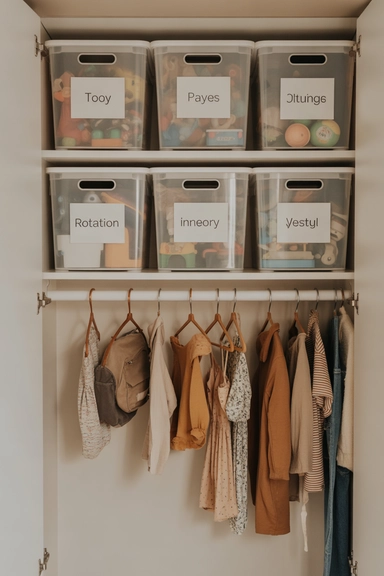
Moving rotation storage to a high closet shelf fixed that. Out of sight really does mean out of mind here.
Here’s what worked for me:
- Opaque storage boxes so nothing is visible inside
- Same-size containers to keep the closet looking clean
- Clear labels or photos so I can find things quickly
At first, I didn’t label anything. I had to open every box just to find one set. That slowed everything down. Labeling made rotations much easier.
Now I keep full toy sets stored up high and only bring them down when it’s time to rotate. No constant requests, no clutter building up again.
Modular Cube Unit With Controlled Access
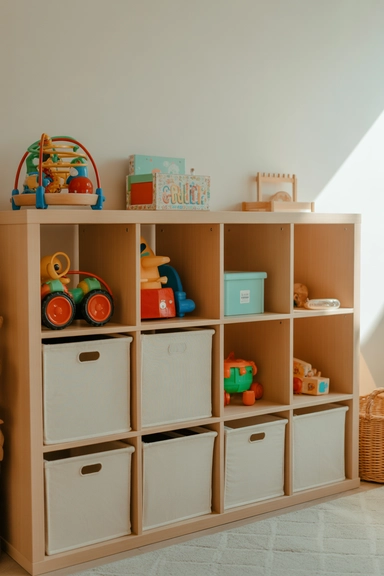
I used cube shelves before, but everything stayed open and it didn’t really solve anything. Toys still spread everywhere, just in square boxes instead.
What worked was limiting which cubes stay active. Once I stopped treating every cube the same, the system actually started controlling clutter.
Here’s what worked for me:
- Only a few open cubes for current toys so kids don’t get overwhelmed
- Fabric bins in closed cubes to hide the rest without removing them
- Clear boundaries per cube so categories don’t mix
At first, I kept rotating toys but left all cubes open. That defeated the whole purpose. Once I controlled visibility, everything changed.
Now I just switch which cubes are open during rotation. The room still looks organized, and toys don’t take over the space.
Toy Library Checkout System
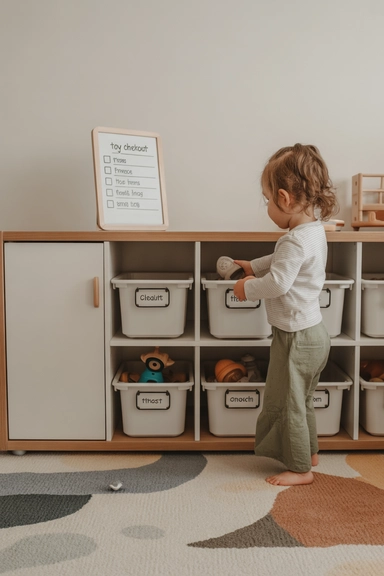
let them “check out” one item each week. Same limits, but no drama.
Here’s what worked for me:
- Closed bins for off-cycle toys so nothing distracts
- One-item checkout rule to keep choices simple
- A small checklist or board to track what’s currently out
My mistake early on was changing everything at once. That felt like taking things away. Letting them pick one item during swaps fixed that.
Now rotation feels like part of the routine, not a fight. Toys stay under control, and my kid actually looks forward to the swap.
Labeled Storage Totes in a Dedicated Rotation Closet
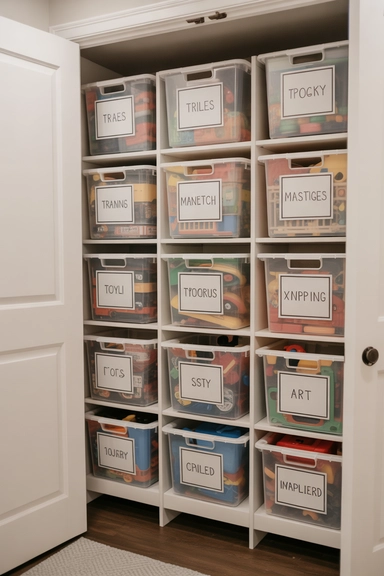
I had a closet sitting half-used, and toys were still spreading everywhere. Once I turned that space into a rotation hub, things finally started staying under control.
Here’s what worked for me:
- Large labeled totes so each toy category stays complete
- Tight lids to keep dust out and pieces together
- Stacked storage so everything stays in one place
I made one mistake early. I mixed random toys in each bin. That made rotation frustrating and time-consuming. Keeping one category per tote fixed that fast.
I also added a simple schedule inside the door so swaps feel routine, not reactive. If your bins keep turning messy again, it usually means the system isn’t structured properly → storage bin organization ideas can help fix that before it gets out of control.
Now everything sits in one defined spot, and I don’t deal with toys spreading across the house anymore.
Color-Coded Rotation System for Easy Swaps
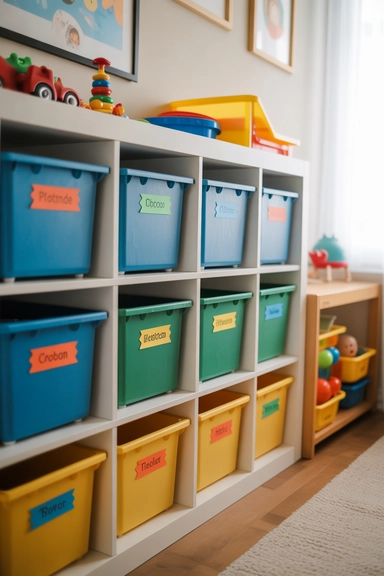
I used to open every bin just to figure out what was current. It wasted time and made rotation feel like a chore.
Color-coding fixed that. Once each cycle had a color, I could see what’s active and what’s resting without opening anything.
Here’s what worked for me:
- One color per cycle so it’s clear what belongs together
- Matching labels or tape to keep it consistent
- Simple swap rule remove one color, bring in the next
My mistake early on was mixing colors in the same bin. That broke the system fast. Keeping each bin tied to one color made everything predictable.
Now rotation takes minutes. Kids recognize the colors, expect the change, and there’s less pushback when it’s time to swap.
Garage or Utility Shelf for Bulk Toy Inventory
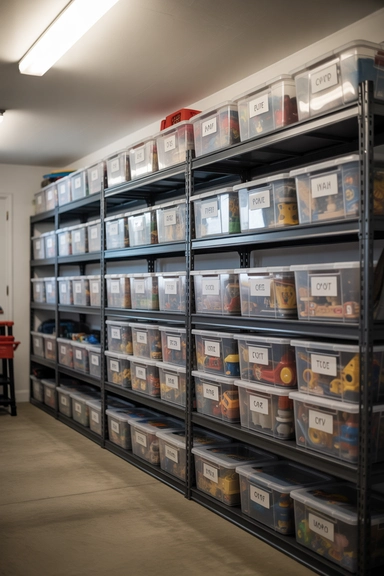
I kept trying to manage everything inside the bedroom, and it never stayed under control. Too many bins, too many choices, and constant requests for toys that weren’t even in use.
Moving long-term storage out of the room changed everything. Once bulk toys lived in the garage, the bedroom felt lighter and easier to manage.
Here’s what worked for me:
- Heavy-duty shelving so bins stay stable and easy to access
- Sealed containers by category to keep full sets together
- No cardboard boxes because they break down and create mess
I made one mistake early. I kept a few “extra” bins in the room just in case. That brought back the same clutter. Keeping off-cycle toys completely out of sight is what actually works.
Now only active toys stay in the room, and everything else is stored separately. Fewer distractions, less mess, and way fewer requests for everything at once.
Vacuum-Sealed Bags for Plush Toy Rotation
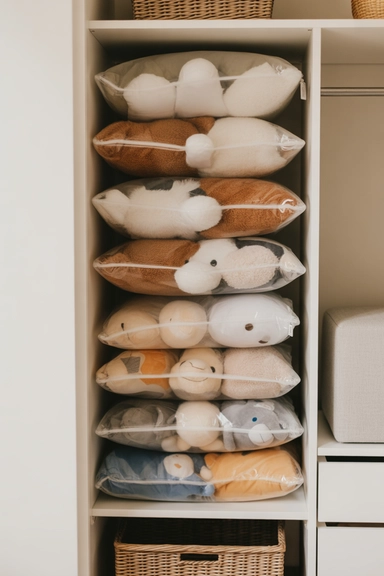
Stuffed animals used to take over the closet for me. Big, soft, and impossible to stack neatly.
Vacuum bags fixed that fast. Once I compressed off-cycle plush, I freed up a lot of space for proper rotation.
Here’s what worked for me:
- Vacuum-sealed bags to reduce volume without damaging fabric
- Clear labels before sealing so I know what’s inside later
- Flat storage so bags don’t shift or stack awkwardly
I made one mistake early. I didn’t label the bags before sealing them. Opening everything just to find one set was a pain. Label first, then seal.
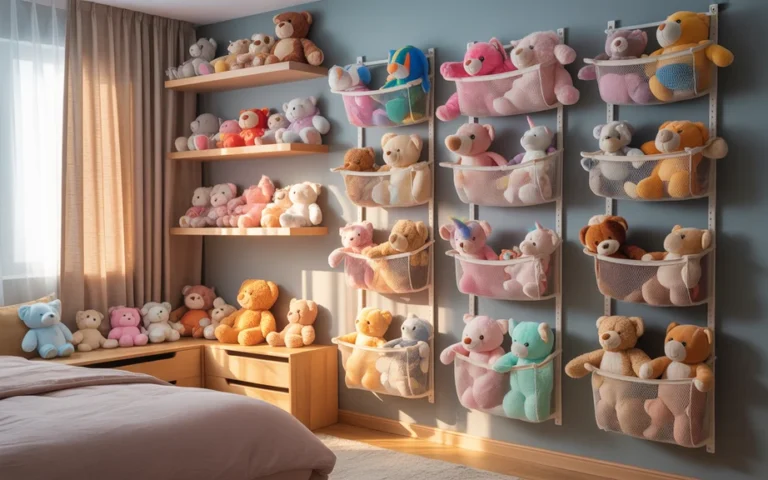
When I reopen them, I give the toys a little time to regain shape before putting them back out. If plush toys keep taking over your space, this is where stuffed animal storage ideas can help you control them without losing space.
Now bulky toys stay contained, clean, and out of the way until they’re back in rotation.
Locked Cabinet for High-Excitement Toys
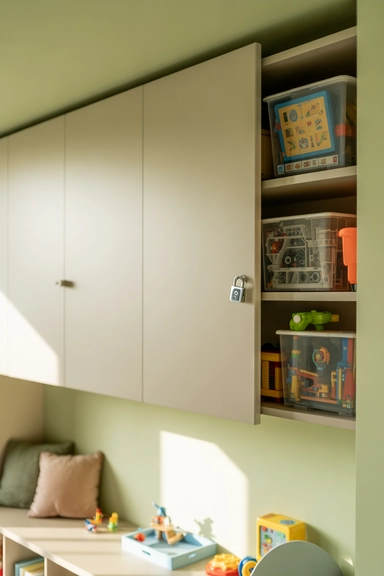
Some toys caused chaos in my house. Loud electronic games, complex kits, or anything with too many pieces turned playtime into overload.
Keeping these in a high or locked cabinet made a big difference. Once they weren’t always available, kids actually focused better on what was in front of them.
Here’s what worked for me:
- High or locked storage so access stays controlled
- Only bring them out during rotation instead of daily use
- Use them as “special session” toys to keep excitement high
My mistake early on was leaving these toys mixed with everyday ones. That made everything feel overwhelming and messy. Separating them fixed both behavior and clutter.
Now these toys feel special again, and they don’t take over the room or daily routine.
Clear Drawer Tower With Rotation Labels
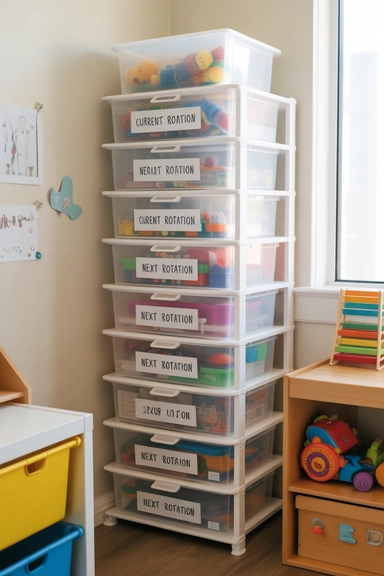
Small toys used to be the worst for me. Puzzle pieces, craft items, little figurines… they all ended up mixed together.
Using a clear drawer tower fixed that. Once everything had its own drawer, it stopped turning into a messy pile.
Here’s what worked for me:
- Dedicated drawers for active and off-cycle toys
- Clear labels like “Current” and “Next” so I don’t get confused
- Internal dividers to keep small pieces separated
I made one mistake early. I didn’t divide the drawers inside. Everything blended together again, even though it looked organized from outside. Adding dividers fixed it instantly.
Because the drawers are clear, I have to keep things neat inside too. If small items keep mixing and getting lost, this is where drawer divider organization ideas can help you keep everything separated properly.
Now everything stays compact, easy to find, and doesn’t spread across the room.
Monthly Rotation Basket in Main Living Area
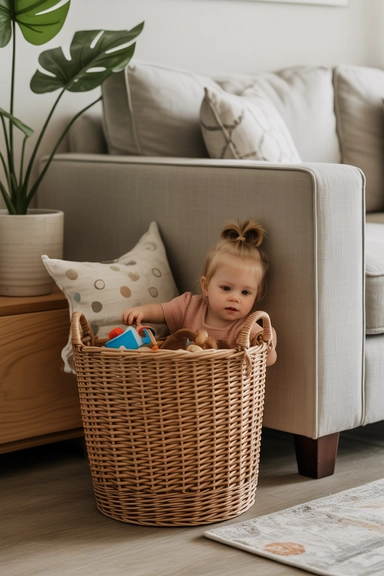
Toys started creeping into my living room, and it didn’t take long before the whole space felt messy. Even a few items turned into clutter fast.
What worked was setting one rule. Only one basket belongs in the living room. Nothing outside it stays.
Here’s what worked for me:
- One dedicated basket for all active living room toys
- Strong, good-looking basket so it blends with decor
- Full swap system instead of adding or removing random pieces
My mistake early on was letting extra toys stay “just for now.” That quickly turned into a full mess again. Keeping strict limits is what makes this work.
Now I just swap the entire basket during rotation. No partial mess, no random toys spreading everywhere. The space stays clean without constant effort.
Rolling Cart That Moves In and Out of Play Zones
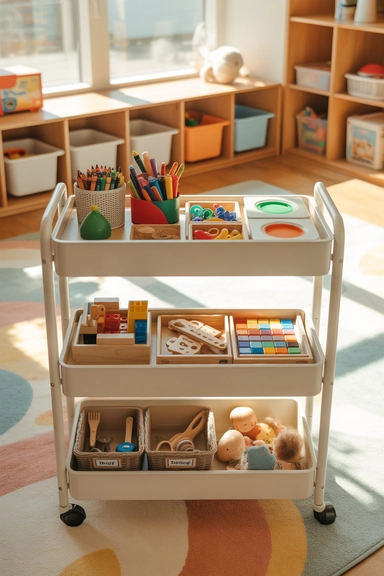
I tried fixed storage for a while, but it didn’t match how kids actually play. Toys moved around anyway, and clutter followed.
A rolling cart worked better because it moves with the day. I bring it out during playtime and put it away when we’re done.
Here’s what worked for me:
- Only current toys on the cart so nothing extra builds up
- One category per tier to keep things separated
- Wheel it away at night to reset the space quickly
My mistake early on was treating the cart like permanent storage. It got overloaded fast. Keeping it limited to active toys is what makes it work.
Now I just swap the entire cart setup during rotation. It feels like a fresh setup every time without creating extra mess.
Rotation Drawer Under a Coffee Table
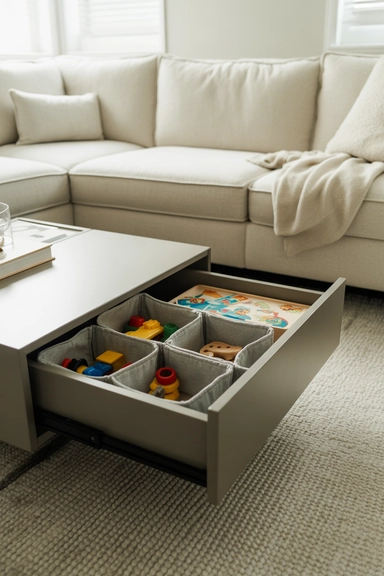
Toys started taking over my living room table, and it never looked clean no matter how often I picked things up.
Switching to a coffee table with hidden storage fixed that. Now toys stay close but don’t sit out all day.
Here’s what worked for me:
- Lift-top or drawer storage to hide toys instantly
- Small pouches inside so things don’t get dumped together
- One rotation set only so it doesn’t overflow
My mistake early on was throwing everything loosely into the drawer. That turned into a mess again. Using pouches kept things contained and easy to swap.
Now I just pull one pouch out and replace it during rotation. The table stays useful for daily life, and toys don’t spread across the room.
Shelf Divider System to Limit Quantity
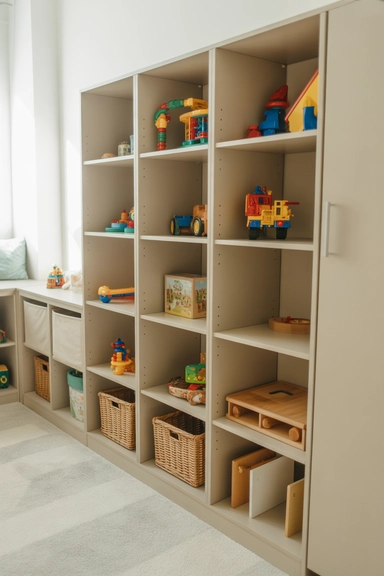
I realized at some point the problem wasn’t storage. It was how much I was letting stay visible at once.
Adding shelf dividers changed that. Instead of one big open space, each category got its own limit. Once it’s full, nothing else goes there.
Here’s what worked for me:
- Adjustable dividers to create clear sections
- One category per section so things don’t mix
- Fixed space limit to control how much stays out
My mistake early on was leaving sections flexible. I kept squeezing in more toys, and the shelves got crowded again. Once I treated each section as a hard limit, it finally worked.
Now during rotation, I just remove one full section and replace it. The shelves stay clean, and I don’t have to keep reminding anyone to stop adding more.
Bedside Rotation Bin for Nighttime Toys
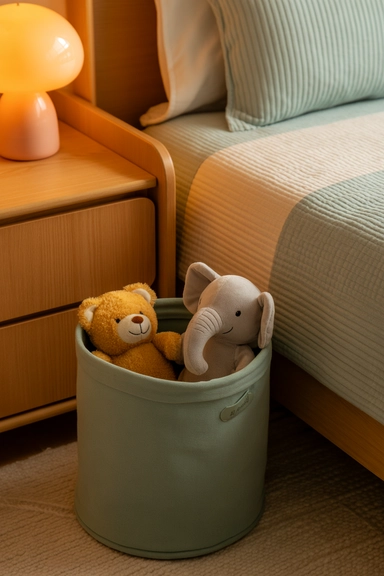
Toys used to pile up on the bed at night. A few comfort items quickly turned into a full collection, and the whole space felt messy.
What worked was creating one small bedside bin just for nighttime toys. Once there was a limit, things stopped spreading.
Here’s what worked for me:
- Only 2–3 comfort toys allowed in the bin
- Soft-sided container that slides under the nightstand easily
- Full bin swap during rotation instead of changing items daily
My mistake early on was letting “just one more toy” stay on the bed. That always turned into clutter again. Keeping a strict limit made the difference.
Now bedtime stays simple, the bed stays clear, and my child still has their favorite comfort items without the mess.
Seasonal Rotation Closet Section
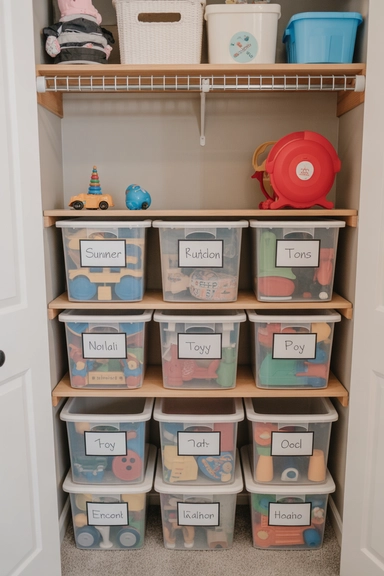
I used to keep seasonal toys mixed in with everything else. Summer kits, holiday items, outdoor stuff… it all stayed in the same place and just added to the clutter.
What worked was giving seasonal toys their own section. Once they were separated, they stopped taking up space all year.
Here’s what worked for me:
- One closet section for seasonal toys so they don’t mix with daily items
- Sealed, labeled bins by season to make swaps quick
- Full seasonal swap instead of bringing things out randomly
My mistake early on was leaving a few seasonal items out “just in case.” That kept the clutter around year-round. Once I stored them completely, the space felt lighter.
Now when the season changes, I swap everything at once. It feels like new toys without adding anything extra, and nothing gets forgotten at the back of storage.
Photo Inventory Binder for Stored Toys
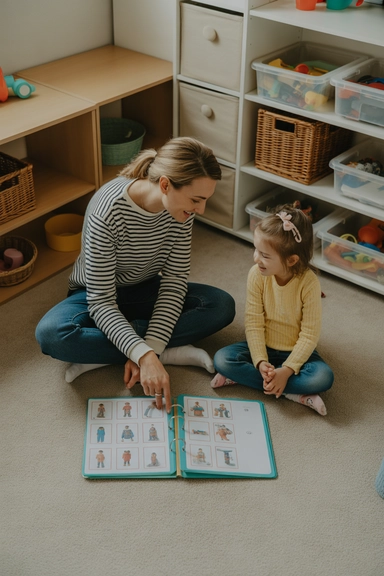
I used to deal with constant “where is this toy?” questions. Even when toys were stored properly, it felt like they disappeared for kids.
What worked was creating a simple photo inventory. Once kids could see what’s stored, they stopped feeling like toys were gone.
Here’s what worked for me:
- Printed photos of each toy category so everything is visible
- A small binder system to keep it organized and easy to flip through
- Letting kids choose one item during rotation to give them control
My mistake early on was rotating toys without showing what was available. That created frustration and resistance. The moment I added visual access, everything changed.
Now rotation feels more like a choice than a restriction. Kids stay involved, and I don’t deal with constant requests for everything at once.
Stackable Crates for Quick Category Swaps
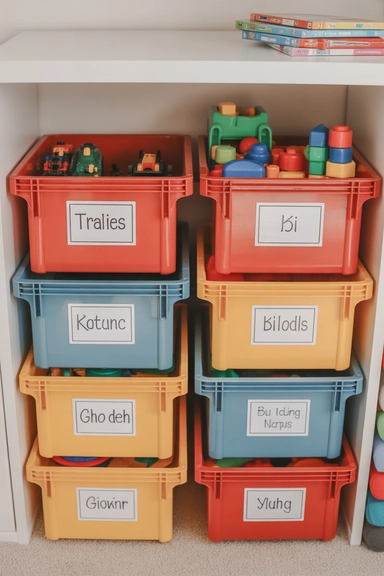
I used to waste time sorting toys during every rotation. It felt like I was organizing the same mess again and again.
Switching to a crate system made it simple. Each crate holds one complete toy set, so I don’t have to think about it anymore.
Here’s what worked for me:
- One full toy category per crate so nothing gets mixed
- Uniform crate sizes to keep stacking stable
- Whole-crate swaps instead of sorting individual pieces
My mistake early on was mixing different toys inside one crate. That brought back the same mess during rotation. Keeping each crate focused fixed that instantly.
Now I just remove one crate and replace it with another. No sorting, no re-organizing, just a quick swap that actually saves time.
Hidden Storage Behind Curtain Panels
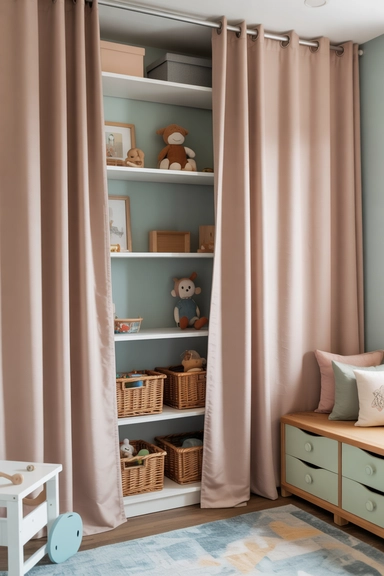
Open shelves looked messy in my space even when things were organized. Too many bins in sight made the room feel busy.
Adding a simple curtain fixed that. Storage stayed accessible, but the visual clutter disappeared.
Here’s what worked for me:
- Curtain panel in front of shelving to hide bins instantly
- Active bins placed toward the front so they’re easy to reach
- Off-cycle bins pushed back to keep rotation simple
My mistake early on was leaving everything visible. Even organized shelves still felt overwhelming. The curtain made the biggest difference without changing the setup.
Now I just slide the curtain, swap what I need, and close it again. The room stays calm, and storage still works the same.
Wall Cabinet With Scheduled Rotation Calendar
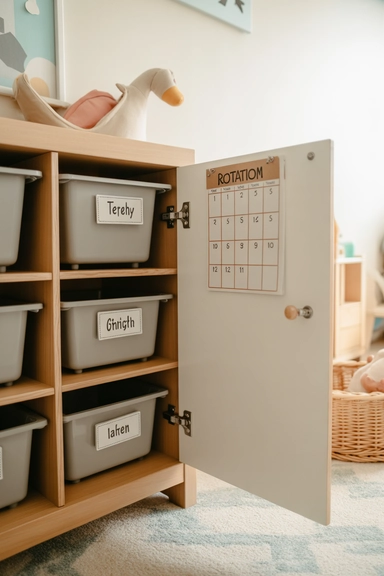
slowly stopped working.
Adding a simple calendar inside a cabinet fixed that. Once rotation had a clear schedule, everything stayed consistent without overthinking.
Here’s what worked for me:
- Small calendar inside the cabinet door so it’s always visible
- Clear swap dates marked to avoid guessing
- Labeled bins inside so rotation is quick and simple
My mistake early on was relying on memory. That never lasted. Once I wrote it down, the routine became automatic.
Now I just follow the schedule, swap one bin, and move on. No delays, no buildup, and the system keeps working without extra effort.
Dedicated Rotation Day Basket System
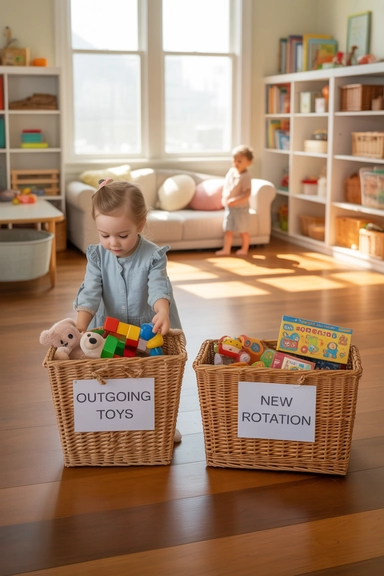
I used to swap toys halfway and leave the rest for later. That always turned into a mess sitting around the room.
What fixed it was using one “rotation day” basket. Everything going out goes into that basket first, nothing gets left behind.
Here’s what worked for me:
- One dedicated basket for outgoing toys so nothing stays scattered
- Wait until it’s full before storing to keep the process clean
- Pre-packed incoming bin ready so swaps happen in one step
My mistake early on was moving toys one by one. That dragged the process and left clutter behind. Using a single basket made it faster and cleaner.
Now I just fill the basket, swap it with a new bin, and put it away. No half-done rotations, no toys lingering around the room.
Conclusion
I used to think the problem was too many toys. It wasn’t. It was how I was managing them day to day.
Once I started using toy rotation storage ideas properly, everything changed. Less mess, better focus, and way less time spent cleaning up the same chaos again and again.
The biggest difference came from keeping things simple. Limit what’s visible, rotate with a clear system, and stop mixing categories. When the process is easy, it actually sticks.
If toys still keep spreading across your space, it usually means the storage system isn’t structured enough → storage bin organization ideas can help you fix that part before it gets worse.
Now the room stays manageable without constant effort, and toys finally feel under control instead of everywhere.