
Introduction
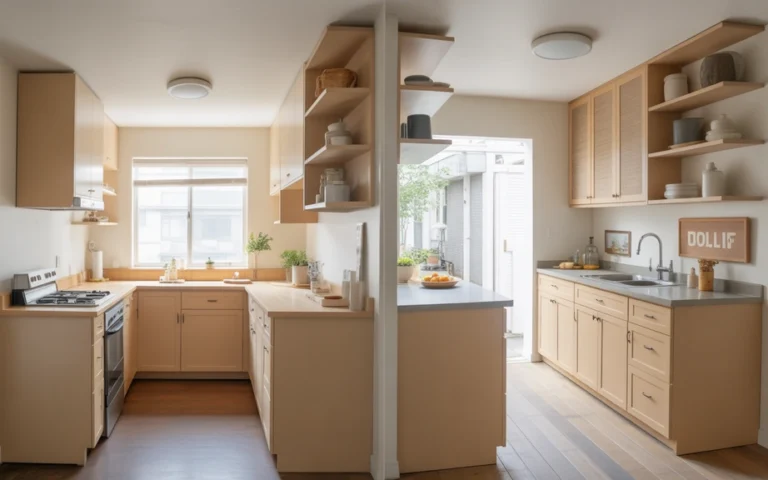
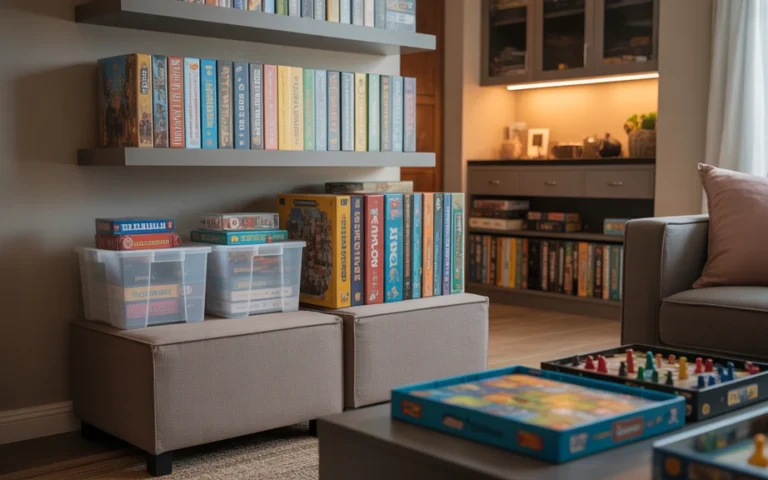
A home doesn’t become cluttered because of too many belongings, but because everyday items lack simple systems. When storage feels complicated or expensive, mess builds quickly and routines become stressful. Learning ways to organize your house on a low budget allows you to create structure, improve visibility, and maintain tidy spaces without investing in costly furniture or professional systems. Budget organization focuses on smart placement, reusing what you own, and building habits that keep order consistent. These ideas provide realistic solutions for busy households. For basket-based budget solutions, 22 Cheap Basket Organization Ideas That Instantly Reduce Clutter offers additional inspiration.
1- DAILY RESET BASKET STATIONS
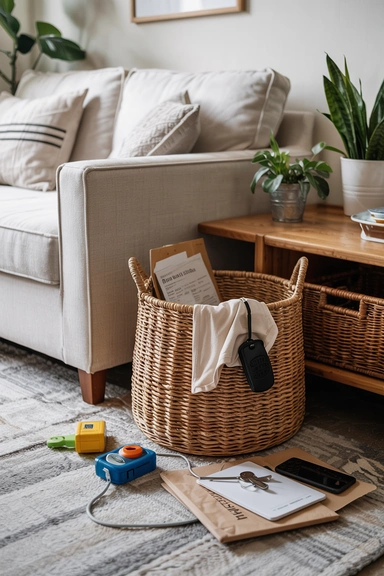
When family life gets busy, small items naturally spread across tables, counters, and floors. A daily reset basket station gives every stray object a temporary home instead of allowing clutter to travel room to room. Keys, toys, mail, chargers, and accessories can all be gathered quickly without sorting in the moment. This keeps living spaces looking organized even on hectic days.
Emptying baskets at a set time builds a sustainable routine. Returning items to proper locations becomes a daily habit instead of a weekend chore. Over time, this proves that simple ways to organize your house on a low budget often start with small repeatable systems rather than expensive storage products.
2- COUNTERTOP CONTAINMENT ZONES
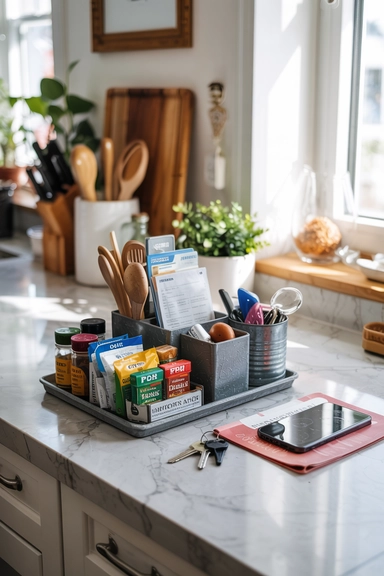
Counters are clutter magnets in kitchens, bathrooms, and offices. Creating containment zones using trays, bowls, or repurposed containers keeps daily essentials grouped instead of scattered. Items stay visible, reachable, and controlled without covering every surface. This prevents visual overload while still keeping necessities accessible for daily routines.
Assigning one zone per activity improves flow. A kitchen prep zone, grooming zone, or work zone keeps tools from mixing. Cleaning becomes faster because everything lifts away at once. Over time, countertops stay functional and neat through practical ways to organize your house on a low budget that require little more than consistency.
3- ENTRYWAY DROP SYSTEMS
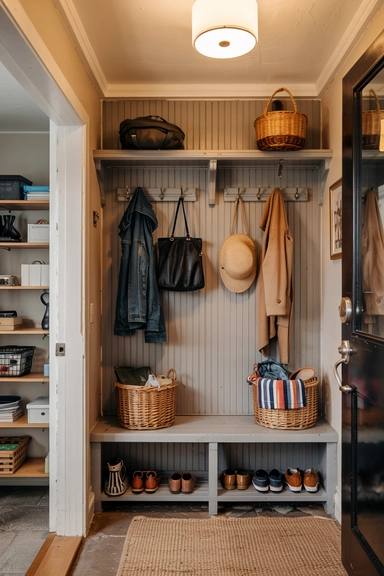
Shoes, bags, coats, and small accessories create instant chaos near doors. A simple entryway drop system using hooks, baskets, or a small bench keeps these daily-use items contained. This prevents last-minute searching before leaving and protects floors from scattered belongings. Even inexpensive wall hooks or reused baskets can build effective structure.
Giving each family member a designated drop spot reinforces return habits. Over time, entryways stay tidy, mornings run smoother, and household stress decreases. If you want more entry-friendly budget ideas, 21 Cheap Life Organizing Ideas for a Calm, Clutter-Free Routine fits perfectly with this system.
4- UNDER-BED STORAGE FOR HIDDEN SPACE
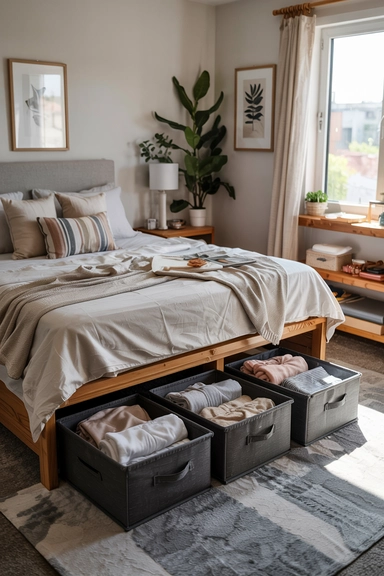
Bedrooms often feel cramped because available storage isn’t fully used. Under-bed storage boxes or fabric bins turn wasted space into functional organization zones for shoes, seasonal clothing, or spare linens. This keeps closets from overflowing and prevents clothing piles from forming on chairs or floors.
Labeling containers ensures nothing is forgotten. Sliding storage in and out is easy, making seasonal rotation simple. Over time, bedrooms feel more spacious and controlled. These practical ways to organize your house on a low budget maximize space without adding furniture.
5- LABELING EVERY STORAGE ZONE
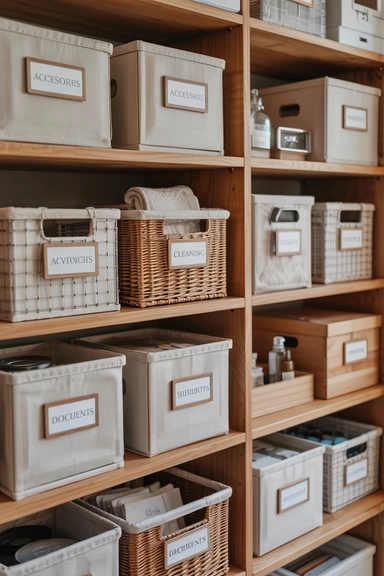
Even the best storage fails when nobody knows what belongs where. Simple labeling systems using paper tags, stickers, or chalk labels turn ordinary boxes, drawers, and baskets into structured storage. Labels remove guesswork, reduce misplaced items, and make organization easy for every family member.
Clear category naming builds consistent return habits. Reorganizing becomes faster because systems remain visible and self-explanatory. Over time, storage stays orderly without constant supervision. For more label-friendly home storage inspiration, 25 Home Organizing Ideas That Make Every Room Work Better connects well with this method.
6- WAYS TO ORGANIZE YOUR HOUSE ON A LOW BUDGET WITH PEGBOARD WALLS
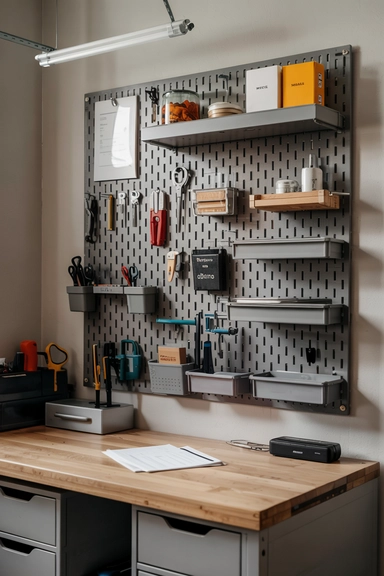
Small tools, keys, craft supplies, and daily-use accessories often clutter drawers and countertops because they lack visible storage. A pegboard wall transforms unused vertical space into an organized display where hooks and small containers hold items neatly in sight. Pegboards are inexpensive, easy to install, and highly adjustable, making them ideal for budget-conscious homes. This system prevents small objects from disappearing into drawers and keeps frequently used items accessible without adding bulky furniture.
As needs change, hooks and holders can be rearranged without drilling new holes. Each item gains a defined spot, encouraging consistent return habits. Over time, work areas, kitchens, and garages stay tidy, proving vertical storage is one of the smartest low-cost organization upgrades.
7- OVER-THE-DOOR STORAGE SYSTEMS
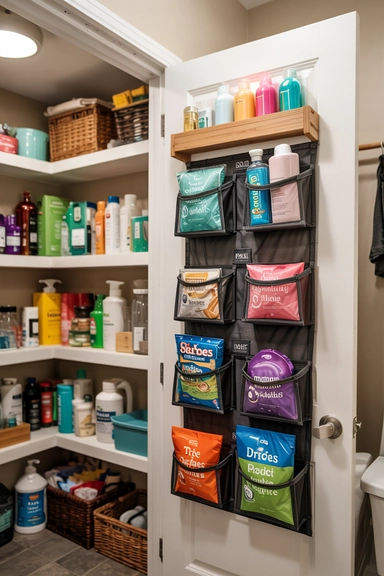
Doors are often overlooked storage opportunities. Over-the-door organizers with pockets or hanging racks create instant space for shoes, toiletries, cleaning products, or pantry items. This keeps small objects off counters and shelves while maintaining easy access. Installation requires no tools or drilling, making it renter-friendly and budget-smart.
Assigning pockets by category keeps items easy to locate and return. Over time, door storage reduces clutter spread across rooms and maximizes every inch of available space. This simple solution delivers long-term organization without permanent changes or expensive cabinetry.
8- KITCHEN DRAWER COMPARTMENT SETUPS
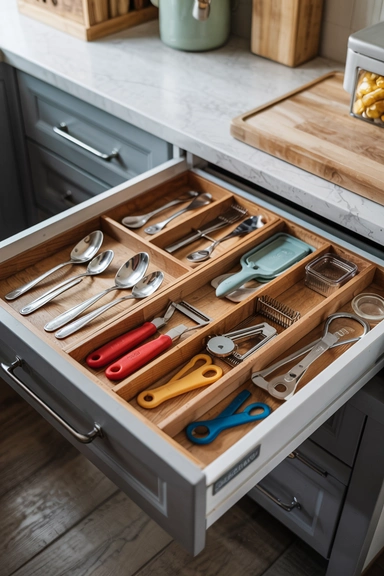
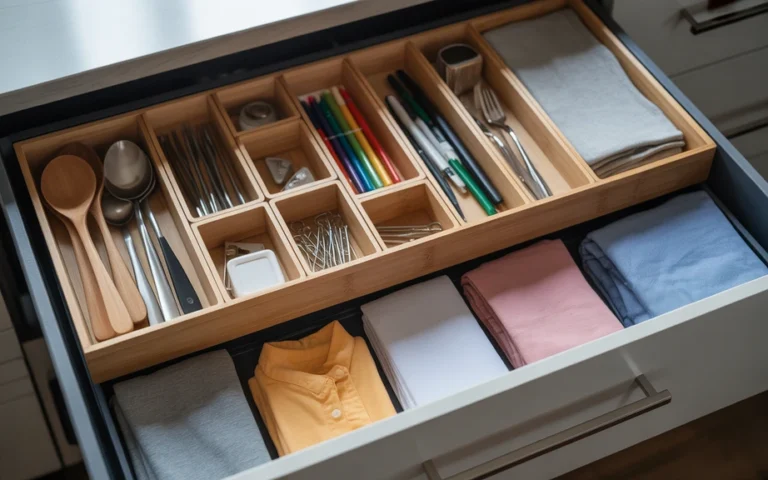
Kitchen drawers quickly become chaotic when utensils, gadgets, and clips mix together. Creating simple compartments using inexpensive dividers or repurposed containers keeps each category separated. This prevents digging through clutter during cooking and protects tools from damage. Even basic cardboard or plastic inserts work effectively.
Returning items becomes effortless when each tool has a defined section. Cleaning drawers is faster because everything lifts out in groups. Over time, meal prep becomes smoother, drawers remain structured, and daily kitchen routines stay efficient without costly organizing products.
9- SHARED HOUSEHOLD SUPPLY DRAWER
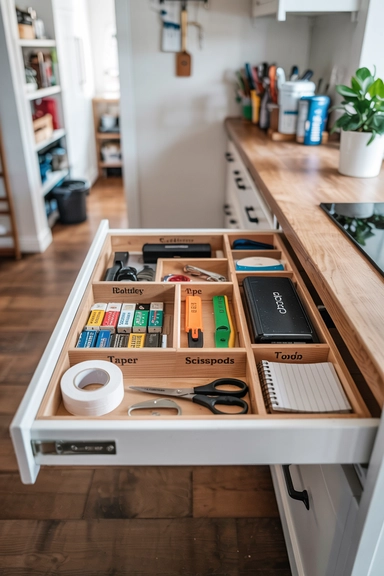
Batteries, tape, scissors, notepads, and small household tools often scatter across multiple rooms. A shared supply drawer keeps these essentials in one central location. Simple dividers or small containers prevent mixing and make finding tools quick during urgent moments.
Labeling sections reinforces return habits for every family member. Over time, duplicate purchases decrease, storage stays lighter, and daily tasks become easier. This single-drawer system eliminates small-item chaos and keeps household operations running smoothly.
10- BATHROOM CABINET ZONE GROUPING
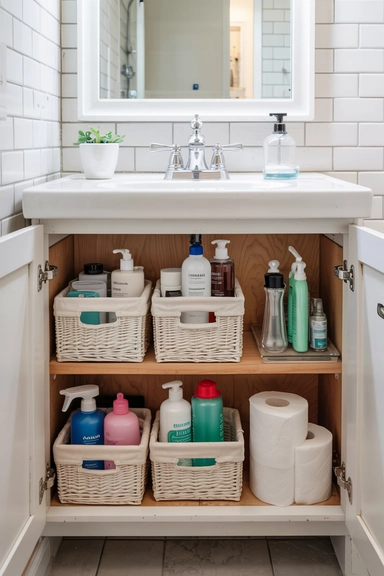
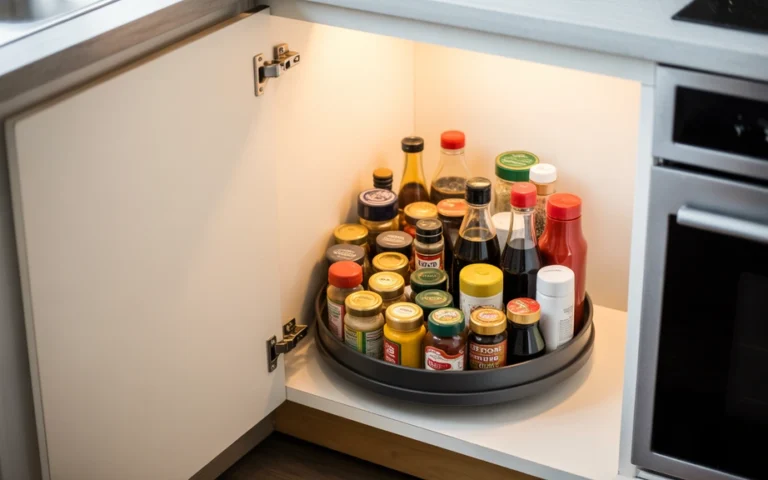
Bathroom cabinets easily become cluttered with bottles, towels, and grooming items. Grouping products into zones using baskets or containers prevents tipping, leaking, and overcrowding. Daily-use items stay front and center while backups remain neatly stored behind.
Organizing by routine — morning care, evening care, or cleaning — keeps daily habits efficient. Entire containers lift out for fast cabinet cleaning. Over time, bathrooms feel calmer, counters stay clear, and small product clutter no longer takes over limited storage space.
11- WEEKLY HOUSE RESET HABIT
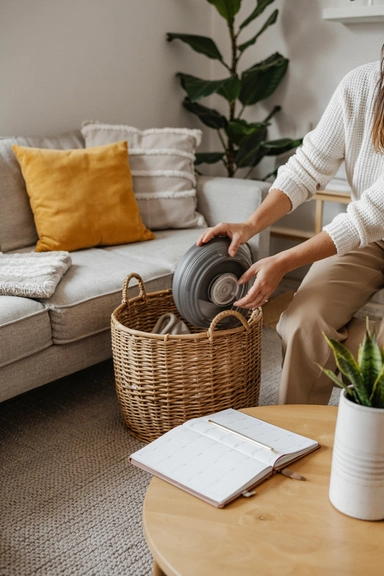
Even the best storage systems fail without consistent upkeep. A weekly house reset habit creates a scheduled time to return misplaced items, straighten shelves, clear counters, and restore organization. This prevents clutter from building silently throughout the week.
The reset doesn’t need to be long; consistency matters more than duration. Over time, cleaning becomes easier, rooms stay orderly, and organization systems remain functional. This habit ties all budget-friendly solutions together and keeps your home structured without overwhelming effort.
12- KITCHEN PANTRY GROUPING FOR SMALL ITEMS
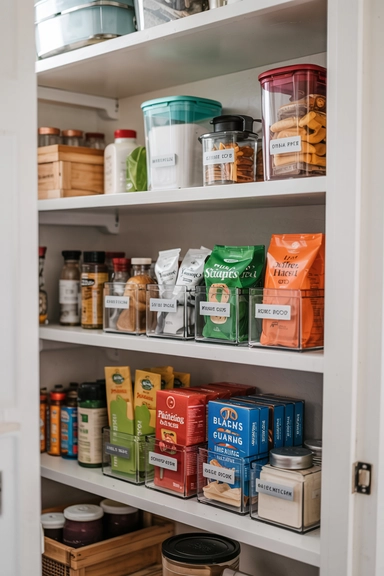
Small food packets, spice sachets, and snack bags often disappear behind larger containers in pantry cabinets. Grouping these items into baskets or clear containers keeps everything visible and prevents forgotten food from expiring. This simple system improves access during cooking and grocery restocking while keeping shelves from becoming messy. Even reused boxes or low-cost bins work effectively, proving that functional storage doesn’t require expensive pantry systems.
Sorting pantry zones by category builds consistency. Breakfast items, baking supplies, and snacks each get a defined place. Over time, kitchen routines become smoother, food waste decreases, and this becomes one of the most practical ways to organize your house on a low budget.
13- CLOSET CATEGORY SECTIONS
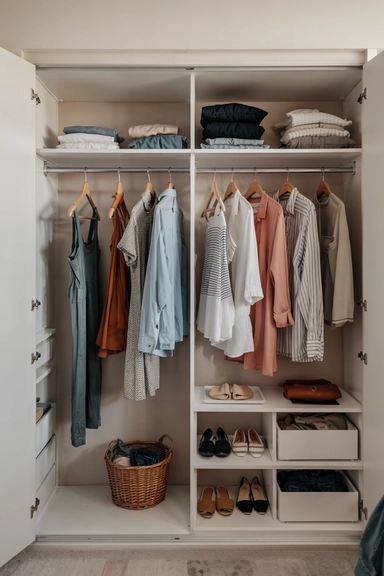
Closets feel cluttered when clothing types are mixed without order. Creating category sections for workwear, casual clothes, seasonal pieces, and accessories keeps wardrobes structured. This doesn’t require new furniture — simply grouping hangers or using basic shelf dividers creates immediate control. Clothes remain easier to find, and daily outfit selection becomes faster.
Keeping similar items together also makes laundry sorting and storing easier. Over time, closets stay neat, clothing piles stop forming in bedrooms, and dressing routines feel calm. Simple category grouping proves that organizing your house effectively can be achieved without spending extra money.
14- BATHROOM COUNTER ESSENTIAL ZONES
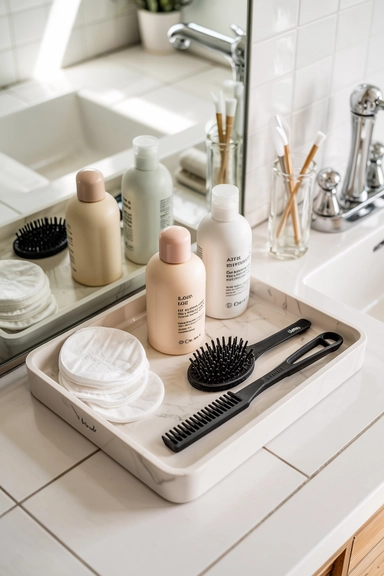
Bathroom counters often attract scattered toiletries, cosmetics, and grooming tools. Creating small essential zones using trays or containers keeps items contained without crowding surfaces. Daily-use products stay within reach while everything else remains stored away, maintaining both function and cleanliness.
Grouping by routine — skincare, dental care, or hair care — speeds up mornings and evenings. Cleaning counters becomes quicker because items lift away in one motion. Over time, bathrooms look consistently tidy, and this becomes a reliable low-cost method for keeping personal spaces organized.
15- LAUNDRY SORTING FLOW SYSTEM
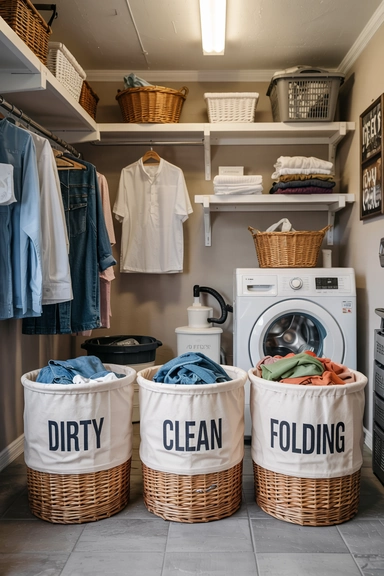
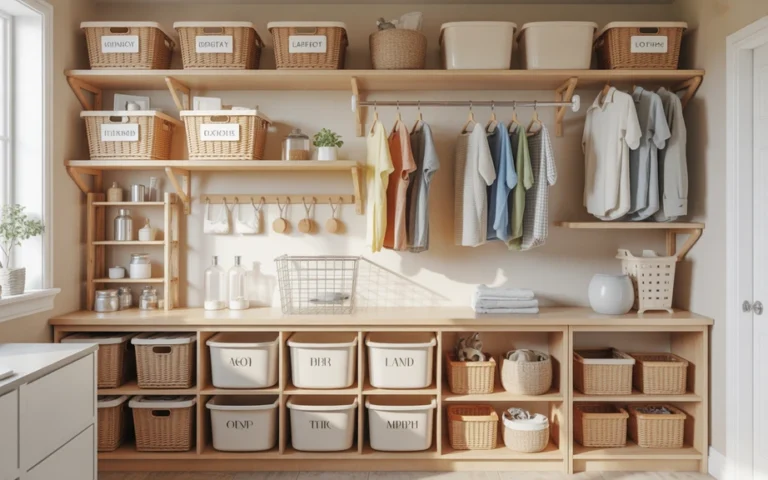
Laundry chaos builds when clothes move randomly between rooms. A simple sorting flow using separate baskets for dirty, clean, and folded laundry keeps the process structured. This prevents clothing from piling on chairs or floors and keeps washing cycles consistent.
Placing baskets in a dedicated laundry area builds routine. Everyone knows where to place used clothes and where to collect clean ones. Over time, laundry becomes predictable, bedrooms stay clearer, and this system stands out as one of the easiest ways to organize your house on a low budget.
16- HOME OFFICE PAPER AND TOOL ZONES
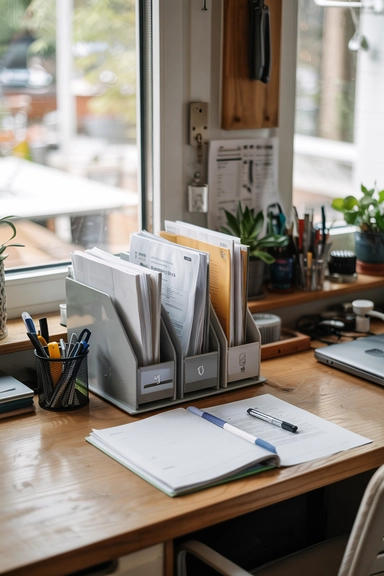
Home offices quickly become cluttered with documents, stationery, and small tech accessories. Creating zones using folders, containers, or magazine files keeps each item category separated and visible. Important papers remain accessible, and small tools stop mixing in random drawers.
Labeling each zone reinforces consistent return habits. Over time, desks remain clear, workflow improves, and stress caused by misplaced documents disappears. This simple zoning method keeps workspaces productive without requiring expensive office furniture or paid organizing tools.
17- NIGHTLY ROOM RESET SYSTEM
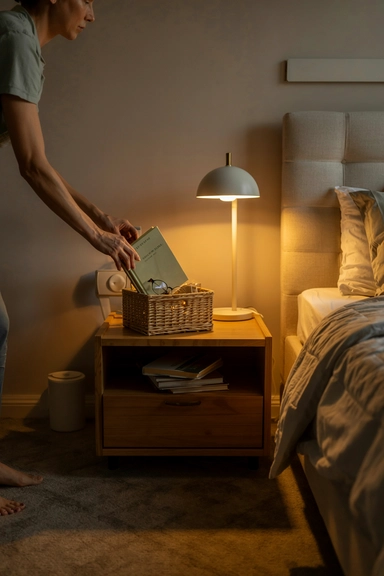
When items are left out overnight, clutter silently builds day after day. A nightly reset system encourages returning items to their storage zones before bed. This may include clearing counters, folding blankets, or placing stray objects into their assigned spots.
Keeping the reset short and consistent makes it easy to maintain. Over time, mornings begin with tidy spaces, cleaning effort reduces, and household order stays intact. This habit keeps all organizing systems functional and reinforces sustainable low-budget home organization.
18- LIVING ROOM BASKET ZONING
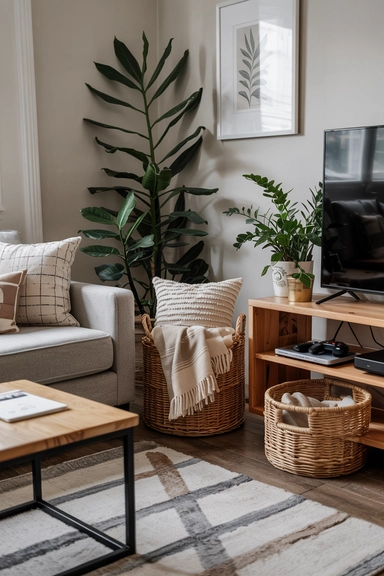
Living rooms collect blankets, remotes, books, toys, and chargers, which quickly spread across sofas and tables. Basket zoning creates simple containment areas for these everyday items, keeping them accessible without allowing visual clutter to take over. A basket beside the sofa for throws, another near the TV for remotes and gadgets, keeps everything in reach while maintaining a tidy look.
Carrying baskets for quick room resets makes cleanup effortless. Over time, shared spaces stay guest-ready, daily mess becomes easier to manage, and this method proves that small storage choices can transform room organization without expensive furniture.
19- FRIDGE AND FREEZER FOOD ZONES
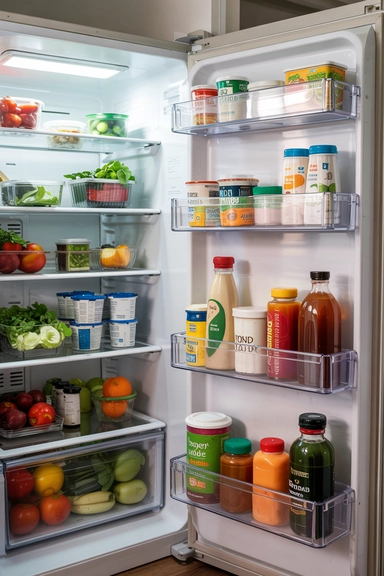
Refrigerators become disorganized when food items lack clear placement. Creating fridge and freezer zones using containers or bins keeps snacks, produce, sauces, and leftovers grouped. This prevents forgotten food from expiring and stops shelves from becoming cluttered with loose packaging.
Assigning zones by food type makes meal prep faster and grocery restocking easier. Pull-out bins allow quick access without shifting multiple items. Over time, food waste decreases, kitchens feel more efficient, and this becomes one of the most effective ways to organize your house on a low budget.
20- FAMILY COMMAND CENTER
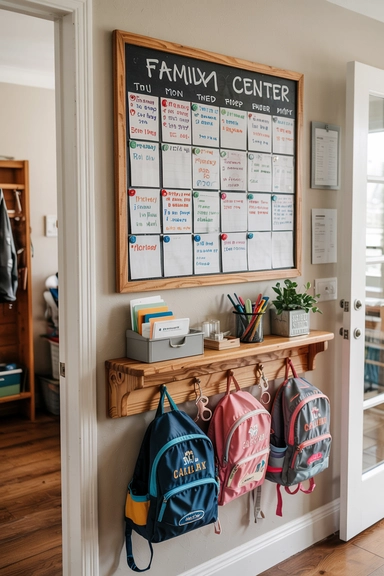
Household routines fall apart when schedules, mail, and notes scatter across rooms. A family command center creates one central place for calendars, reminder notes, pens, and incoming mail. This can be as simple as a wall board and small tray, keeping communication visible and organized.
Everyone knows where to check plans and leave messages. Over time, missed appointments reduce, papers stop spreading across counters, and family coordination becomes smoother. This small setup keeps household management structured without investing in complex systems.
21- MONTHLY DECLUTTER CORNER
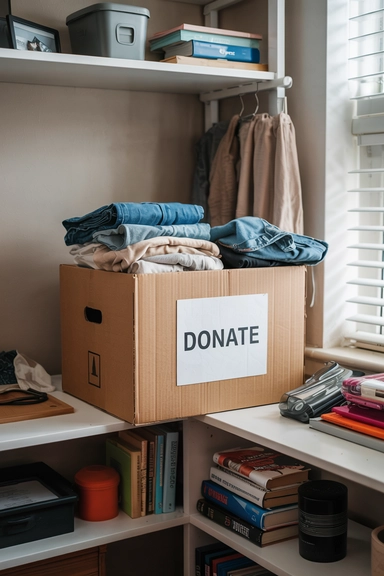
Clutter quietly grows when unused items are never reviewed. A monthly declutter corner with a simple box or bag provides a dedicated place to collect items ready for donation or disposal. This prevents overfilled closets and crowded shelves from developing over time.
Making decluttering a scheduled habit keeps possessions in check. Once the box fills, items are removed immediately. Over time, storage spaces stay lighter, cleaning becomes easier, and this routine strengthens long-term organization without requiring expensive tools.
CONCLUSION
A tidy home doesn’t depend on expensive storage or professional organizers. Consistent small systems and intentional habits create real structure in daily life. By applying practical ways to organize your house on a low budget, clutter stays controlled, routines run smoother, and cleaning becomes far less stressful. Over time, these budget-friendly methods maintain order naturally, proving that smart organization is built through consistency, not cost.