
Introduction
A cluttered craft room can quickly become overwhelming, making it hard to find supplies and enjoy your creative space. Whether you’re dealing with a small craft room or tackling a larger area, these 21 Craft Room Declutter Ideas That Actually Work offer practical solutions for organizing and decluttering craft supplies efficiently. From clever storage tips to purging unused items, these ideas help transform your space into a calm, inspiring environment—perfect for compact living or apartment organization where maximizing every inch counts. Say goodbye to chaos and hello to a streamlined, functional craft room.
1 – Declutter by Craft Supply Categories for Maximum Efficiency
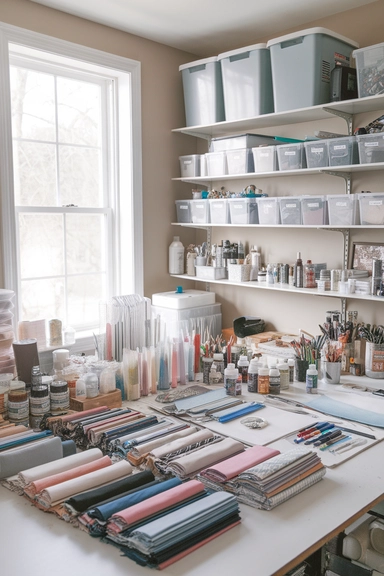
Sorting your craft room by specific supply categories is an effective way to tackle clutter and streamline your creative space. Instead of organizing by random areas, focus on grouping items such as paper, stamps, fabric, and yarn separately. This approach helps when decluttering craft supplies because you can assess what you actually use and what’s just taking up space. Categorizing also makes it easier to identify duplicates and damaged items to toss. When working in compact spaces, this method creates dedicated zones that reduce overwhelm and boost productivity.
For small dwellings or tight interiors, categorizing supplies prevents mixing unrelated tools and materials, which often leads to frustration and lost items. By emptying one category’s storage completely before reorganizing it, you create a fresh start and better control over what stays. This step-by-step craft room declutter and organization tactic is particularly helpful for crafters unsure how to declutter an overwhelming craft room. Plus, it encourages you to donate gently used supplies you no longer need, freeing up valuable room for your favorite projects.
2 – Utilize Vertical Storage to Maximize Workspace in Tight Interiors
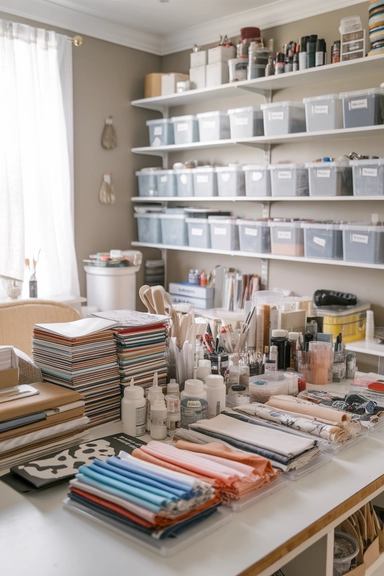
When floor space is limited, vertical storage is a game-changer for craft room organization and decluttering. Installing pegboards, wall grids, or over-the-door organizers lets you store scissors, rulers, and tools within easy reach but off your desk and shelves. This method frees up your main work surfaces, giving you clear space to create and keeps supplies visible and accessible. Vertical storage solutions work especially well in apartment living situations where every square inch counts, making your craft room feel larger and less chaotic.
In addition to wall-mounted racks, consider adding tall shelving or stacking clear labeled bins vertically to optimize storage without crowding your compact space. This technique supports a craft room declutter checklist by encouraging you to sort and store items logically while minimizing clutter buildup. With tools and materials arranged vertically, you reduce time spent searching for supplies and eliminate the frustration of hidden clutter. A well-organized vertical system also makes regular craft room purge ideas easier to maintain over time.
3 – Create Dedicated Craft Zones to Streamline Small Space Decluttering
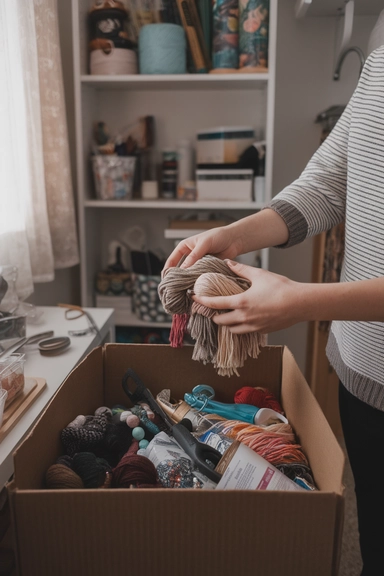
Dividing your craft room into distinct zones based on activity type is a powerful organization strategy that simplifies decluttering craft supplies. For example, allocate specific areas for sewing, paper crafting, painting, or jewelry making. This zoning approach reduces the chaos of mixed supplies and unfinished projects overtaking every surface. It also promotes better workflow by keeping the tools and materials you use most for each craft within arm’s reach. In small dwellings, crafting zones help contain messes and make it easier to clean up quickly.
Craft room declutter ideas for scrapbookers, sewists, and card makers especially benefit from this method because it respects the unique needs of each hobby. By setting clear boundaries for each craft’s supplies and tools, you can decide what to keep or toss based on actual use in that zone. Dedicated zones also encourage scheduling regular reset sessions to maintain order. Overall, creating craft zones transforms a cluttered craft room into an inviting, functional space where creativity can truly flourish.
4 – Maximize Vertical Space With Wall-Mounted Storage
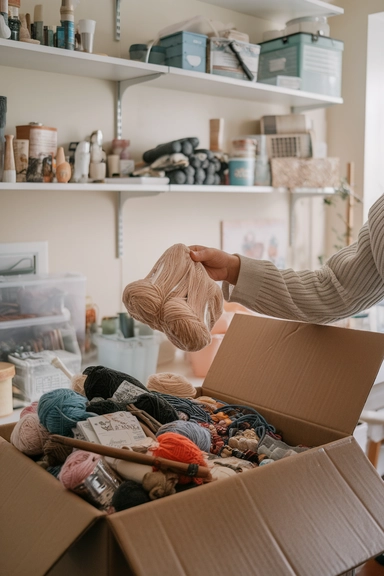
When working with compact spaces, vertical storage solutions can revolutionize how you manage craft room organization and decluttering. Installing wall-mounted shelves, pegboards, or wall grids allows you to keep frequently used craft supplies, tools, and materials within easy reach while freeing up valuable desk and floor space. Using vertical storage not only helps keep your craft room tidy but also visually opens up tight interiors, making your creative space feel larger and more inviting. This method is perfect for those looking to declutter your craft room fast without sacrificing accessibility or style.
To get started, identify the walls or sections that are underutilized and add pegboards or floating shelves tailored to your specific craft categories. Use hooks, baskets, and clip-on containers on your pegboard to organize scissors, ribbons, and paintbrushes neatly. Label each section to enhance efficiency and reduce time spent searching for supplies. This approach encourages a step-by-step craft room declutter and organization process, especially helpful in small dwellings where floor space is limited but vertical room is abundant.
5 – Create Dedicated Zones for Different Craft Activities
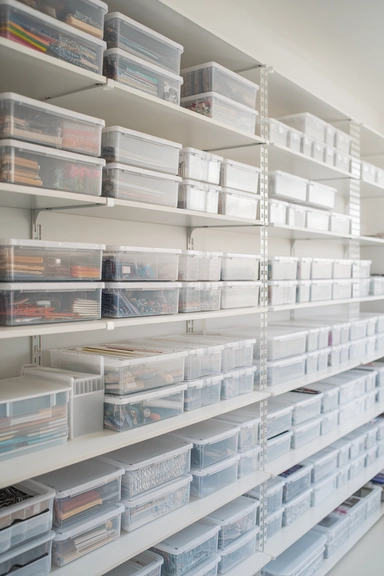
Dividing your craft room into dedicated zones is a game-changer for anyone looking to declutter craft supplies and streamline workflow. By assigning specific areas for sewing, paper crafting, painting, or jewelry making, you reduce clutter build-up and create a clear purpose for every corner of your room. This strategy works exceptionally well in apartment living environments where space is limited, as it helps keep supplies contained and prevents the chaos of unfinished projects spreading across your entire workspace.
Begin by evaluating which crafts you engage with most and group all related tools and materials together in clearly defined zones. Use furniture or storage units as natural dividers and maintain only the essentials in each area to keep things manageable. This method not only supports craft room declutter ideas for small spaces but also boosts creativity by giving you a focused, clutter-free environment tailored to each hobby.
6 – Use Clear, Stackable Containers to Simplify Supply Sorting
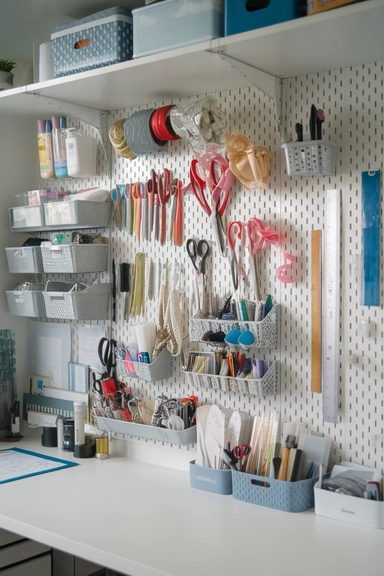
When tackling how to declutter a craft room, clear storage containers offer a straightforward and effective solution, especially in small craft rooms where every inch counts. Using transparent, stackable bins allows you to easily identify contents without opening multiple boxes, reducing decision fatigue and speeding up the decluttering process. This visual accessibility is crucial for managing various craft supply categories such as paper, paints, and embellishments, helping prevent duplicate purchases and keeping your workspace neat.
Stackable containers also maximize vertical storage inside closets or shelves, making them ideal for tight interiors where horizontal space is scarce. Label each container clearly to maintain order and encourage returning items to their proper place after use. Incorporating this system into your craft room storage and declutter tips will transform a cluttered mess into a streamlined, inspiring area perfect for finishing projects and starting new ones.
7 – Utilize Vertical Storage to Maximize Compact Spaces
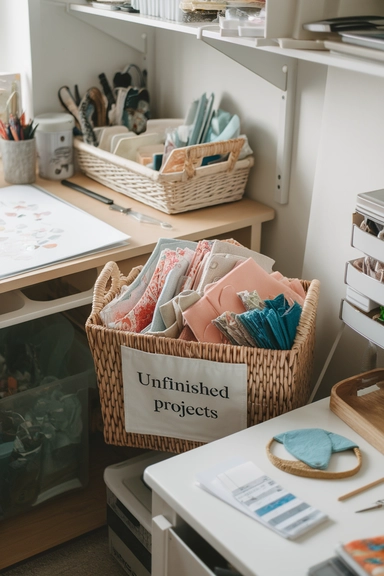
When working with a craft room in tight interiors, vertical storage solutions can transform your workspace and help declutter your supplies efficiently. Installing pegboards, wall grids, or floating shelves allows you to store frequently used tools and materials within easy reach without sacrificing valuable floor space. This approach to craft room organization and decluttering not only frees up counters and tables but also keeps your space visually open and inviting. Embracing wall-mounted storage helps you see all your craft supplies at a glance, making it easier to find what you need and avoid buying duplicates. In small dwellings where every inch counts, using vertical storage can create distinct zones for different craft types, such as paper crafting or sewing. Labeling containers on shelves or hanging baskets ensures quick access and tidiness. Don’t forget to include hooks for scissors, rulers, and tapes, which keeps these essentials handy and off your workspace. This method supports fast declutter your craft room routines by encouraging you to maintain order and prevent overwhelming clutter from accumulating again over time.
8 – Create a Dedicated Unfinished Projects Station
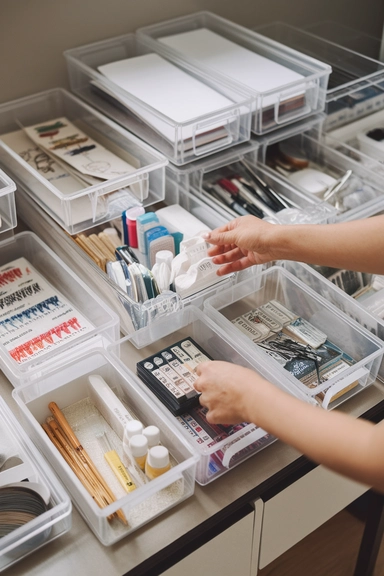
One of the biggest pain points in craft room declutter ideas is managing unfinished projects, or UFOs, which can take over your entire workspace. Allocating a specific area or container solely for these works-in-progress helps keep your room organized and guilt-free. This craft room purge idea allows you to keep track of what you’re currently working on without mixing it into your general supplies, reducing visual clutter and mental overwhelm in small craft room spaces.
For apartment living or compact spaces, use stackable bins or a rolling cart with labeled compartments to store UFOs neatly. This station encourages you to finish projects one at a time, preventing new clutter from piling up. By organizing and decluttering your craft room with this focused zone, you’ll create clear boundaries between active projects and supplies, making it easier to jump back into crafting without wasting time searching or feeling overwhelmed by unfinished crafts.
9 – Implement a Seasonal Rotation for Craft Supplies
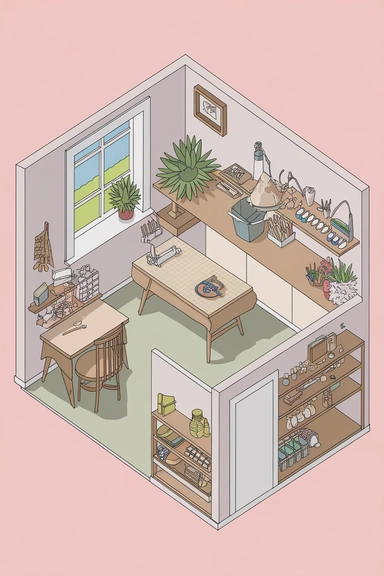
In small dwellings, seasonal rotation of craft supplies is a clever decluttering craft supplies strategy that keeps your craft room fresh and functional year-round. This approach involves storing out-of-season materials—like holiday-themed paper, specialty paints, or seasonal ribbons—in labeled bins tucked away in less accessible storage. Rotating supplies according to the crafting calendar ensures that only relevant items occupy your immediate workspace, which is crucial for maintaining an organized and clutter-free environment in tight interiors.
This method benefits craft room organization and decluttering by preventing supply overload and making room for current projects. When the season changes, swap out bins and refresh your crafting zones, which also gives you an opportunity to reassess what to keep and what to toss. Seasonal rotation encourages mindful crafting and helps avoid the frustration that comes with searching through excess supplies, promoting a more inspiring and productive craft room atmosphere.
10 – Maximize Vertical Space with Hanging Storage Solutions
When decluttering a craft room, especially in compact spaces or small dwellings, utilizing vertical space can dramatically increase storage capacity without sacrificing floor area. Installing wall-mounted pegboards, hooks, or magnetic strips allows you to hang tools, scissors, rulers, and even rolls of ribbon. This method keeps frequently used items visible and accessible, reducing time spent searching and minimizing clutter on your work surfaces. Vertical storage solutions are a smart approach to craft room organization and decluttering, helping to create a tidy, functional workspace even in tight interiors.
Beyond pegboards, consider adding floating shelves or wall grids to hold baskets or bins for smaller supplies like beads, buttons, and washi tape. This approach frees up drawer and counter space, making your craft room feel more open and inviting. By embracing wall-mounted storage, you can designate craft zones clearly and keep everything within arm’s reach, significantly enhancing your ability to declutter your craft room fast and maintain order in apartment living or other compact environments.
11 – Use Clear Stackable Containers for Categorized Craft Supplies
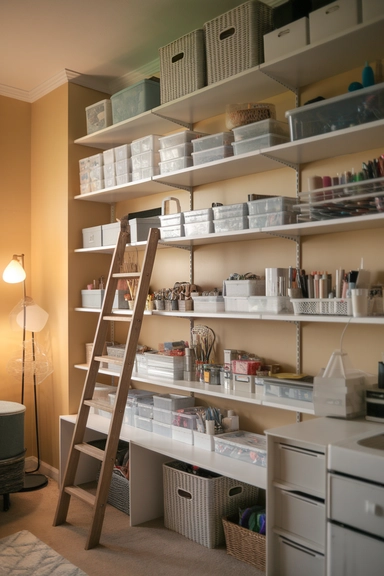
In small craft rooms, where every inch counts, using clear stackable containers is an effective way to organize and declutter craft supplies systematically. Clear bins allow you to identify contents at a glance, preventing duplicate purchases and reducing the frustration of searching through piles of materials. Grouping supplies by category—such as stamps, inks, or patterned paper—into these containers supports a streamlined craft room declutter checklist, making it easier to maintain order and keep track of your inventory.
Stackable containers also optimize vertical drawer space inside cabinets or on shelves, ideal for apartment living or compact spaces. Label each container clearly to reinforce quick access and return habits. This method not only helps eliminate common clutter but also maximizes your limited space, making your craft room organization and decluttering efforts more efficient and visually appealing.
12 – Create a “Project Zone” to Manage Unfinished Items

One of the biggest challenges in decluttering craft supplies is managing unfinished projects or UFOs (unfinished objects) that tend to accumulate and overwhelm your space. Establishing a dedicated “project zone” in your craft room can help you organize these items separately from your general supplies. Using a rolling cart or a specific drawer unit for current projects keeps them contained and prevents them from spreading clutter across your workspace. This strategy is especially useful in tight interiors where every surface matters.
By isolating unfinished projects, you reduce guilt over abandoned hobbies while maintaining a clear distinction between supplies you actively use and those in progress. A project zone supports a step-by-step craft room declutter and organization process, allowing you to focus on completing projects without sacrificing order in the rest of your craft room. This approach fosters creativity and ensures your workspace remains inviting and functional even in compact spaces.
You may also like:
21 Craft Closet Organization Ideas That Keep Supplies Visible
20 Creative Craft Storage Ideas to Organize Your Supplies
21 Washi Tape Organizing Ideas for a Tidy Craft Space
13 – Utilize Vertical Wall Space with Hanging Storage
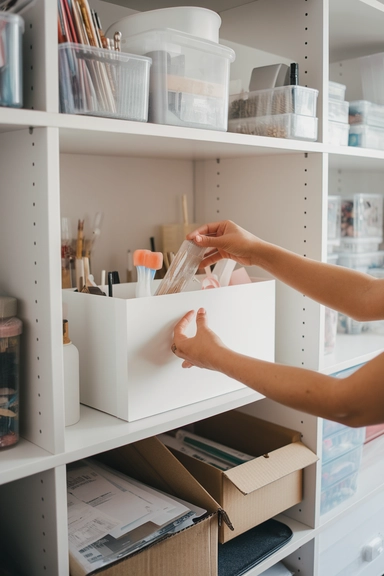
When dealing with a compact space, vertical wall storage is a game changer for craft room declutter ideas. Installing pegboards, wall grids, or magnetic strips transforms unused wall areas into efficient zones to hang scissors, rulers, and frequently used tools. This approach not only frees up desk and drawer space but also keeps your craft supplies visible and accessible. For those wondering how to declutter a craft room fast, adding wall-mounted organizers helps maximize every inch of your small dwelling without sacrificing style or function.
In tight interiors, vertical storage encourages a clutter-free work surface by moving supplies off flat areas and onto walls. Grouping supplies by category on separate panels, such as paints on one pegboard and markers on another, simplifies craft room organization and decluttering. This system also supports quick resets since each item has a designated spot. Plus, hanging storage can be customized with hooks, baskets, and shelves to fit your unique crafting needs and keep your space inspiring and tidy.
14 – Create Dedicated Zones Based on Craft Activities
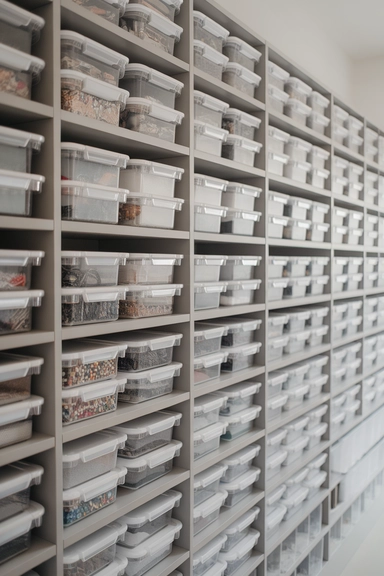
Dividing your craft room into zones based on activity is a powerful strategy for craft room organization and decluttering. Whether you sew, scrapbook, or paint, assigning specific areas to each craft type helps contain supplies and unfinished projects, reducing overall clutter. In small dwellings, zone planning means you can tailor storage solutions for each craft, such as a sewing station with thread racks and fabric bins, or a paper crafting corner with drawers for cardstock and stamps. This focused approach simplifies decision-making about what to keep and toss.
Zoning supports better workflow and boosts creativity by keeping all relevant supplies within arm’s reach. It also helps combat the overwhelming feeling that often accompanies cluttered spaces, making it easier to maintain order in compact spaces. By clearly defining areas, you know exactly where to find what you need and where to put things away, which is essential when learning how to declutter craft supplies you don’t use frequently but still want to keep organized.
15 – Implement a Rotating Supply System to Manage Excess
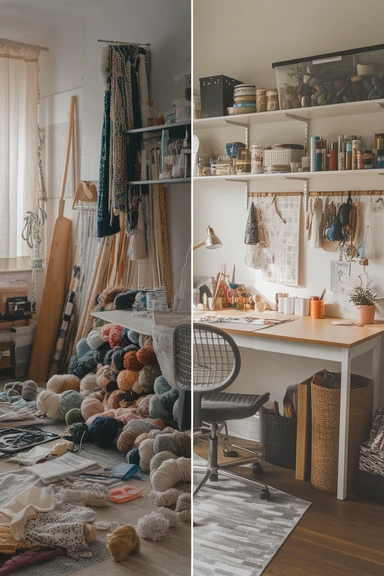
For crafters struggling with an abundance of supplies in tight interiors, a rotating supply system offers a fresh way to manage clutter. Instead of storing every item out at once, keep a curated selection of frequently used materials accessible while boxing up extras to rotate seasonally or by project type. This method aligns perfectly with the principle of decluttering craft supplies by category and helps prevent overwhelm in small dwellings by limiting visible clutter. It encourages you to use what you have before bringing out more.
A rotating system also makes it easier to identify what supplies you truly use versus those that sit idle, which is crucial when learning how to declutter an overwhelming craft room. Rotated supplies can be stored in labeled containers tucked away on high shelves or under tables, freeing prime workspace. This strategy not only extends the life of your materials but also refreshes your creative process by revisiting different supplies throughout the year, keeping your craft room both functional and inspiring.
16 – Maximize Vertical Wall Space for Craft Room Organization
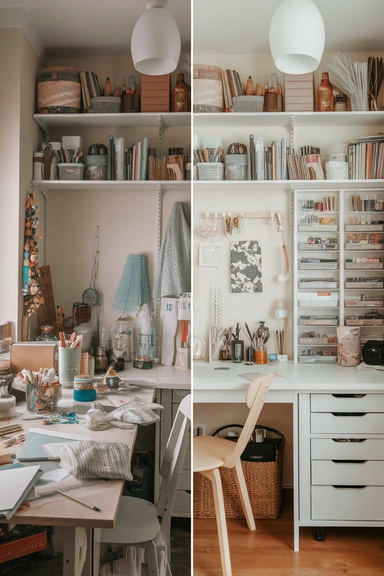
Using vertical wall space is an essential craft room declutter idea, especially for crafters working in compact spaces. Installing pegboards, wall grids, or floating shelves can dramatically increase your storage capacity without sacrificing floor area. These vertical organizers allow you to hang tools, scissors, ribbons, and other frequently used supplies within easy reach. This method helps decluttering craft supplies by giving everything a designated spot, reducing visual clutter and making your craft room feel more open and inviting.
In tight interiors, vertical storage offers a practical solution to craft room organization and decluttering challenges. By elevating storage off your work surfaces, you create clear, usable workspace while keeping your supplies visible and accessible. Label hooks or containers on the pegboard for quick retrieval. This approach not only optimizes your small dwelling’s walls but also inspires productivity by transforming chaos into a well-ordered creative zone.
17 – Create Craft Zones Tailored to Your Hobbies
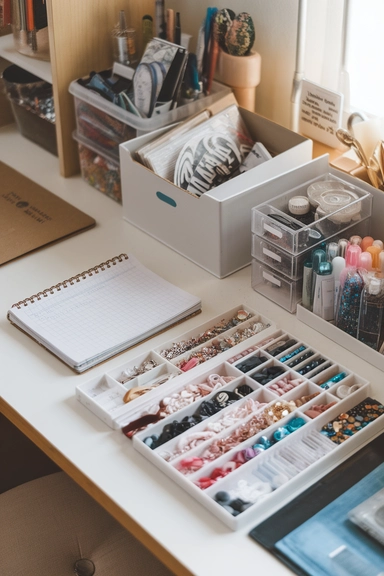
Designating specific craft zones is a powerful craft room purge idea that helps streamline your workflow and declutter your craft room fast. Whether you are a scrapbooker, sewist, or card maker, creating separate areas for each activity helps you organize and declutter craft supplies effectively. In apartment living or small dwellings, zoning breaks down the overwhelming clutter into manageable sections, making it easier to tackle one category at a time and maintain organization long-term.
For example, dedicate one corner to fabric, thread, and notions for sewing, while another zone houses paper, stamps, and inks for paper crafts. Use distinct storage solutions tailored to each zone’s needs. This step-by-step craft room declutter and organization method enhances focus, prevents cross-contamination of supplies, and makes your craft room feel less cluttered and more inspiring.
18 – Implement a Regular Craft Room Reset Routine
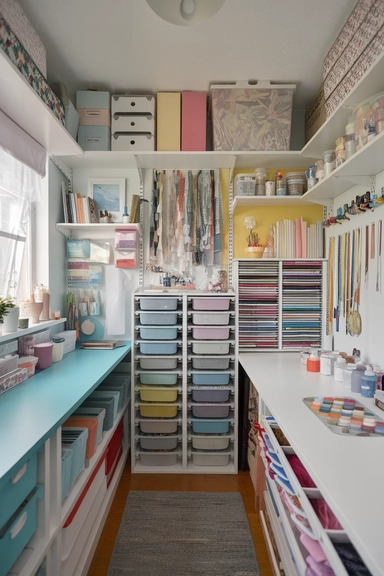
Scheduling regular reset sessions is a practical craft room declutter checklist item that helps prevent clutter from creeping back in over time. Especially important in small craft rooms or tight interiors, a weekly or monthly tidy-up keeps your supplies organized and your workspace clear. This habit reduces the buildup of unfinished projects, scraps, and unused tools, making it easier to maintain a clutter-free environment that supports creativity.
During these reset sessions, you can quickly assess what craft supplies to keep and what to toss, ensuring that your storage remains efficient and your craft room organization and decluttering efforts are sustained. This principle encourages mindfulness about what you truly need, helping you avoid buying duplicates and keeping your craft space functional and inviting for every project.
19 – Utilize Over-the-Door Organizers for Maximum Vertical Storage
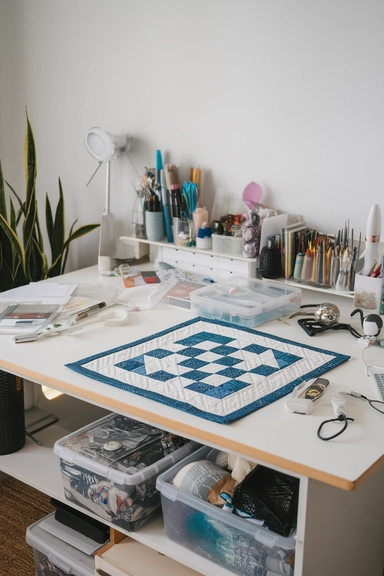
Over-the-door organizers are a game-changer for craft room declutter ideas, especially in small dwellings where floor space is limited. These organizers take advantage of the often-overlooked door area, turning it into valuable storage for craft supplies like ribbons, scissors, and small tools. Installing one is a simple way to add vertical storage without sacrificing precious workspace. For those wondering how to declutter a craft room efficiently, this method keeps frequently used items visible and accessible, reducing time spent searching and minimizing clutter buildup in compact spaces.
Incorporating over-the-door storage solutions aids in craft room organization and decluttering by creating distinct zones for specific supplies. This approach is particularly helpful in tight interiors where every inch counts. Labeling pockets and compartments ensures that everything has a designated spot, encouraging tidiness. Plus, it’s perfect for crafters who juggle multiple hobbies, as you can dedicate sections to different tools or materials. This strategy not only frees up shelves and drawers but also revitalizes your craft room’s workflow and visual appeal.
20 – Create a Dedicated Unfinished Projects Zone to Contain Clutter
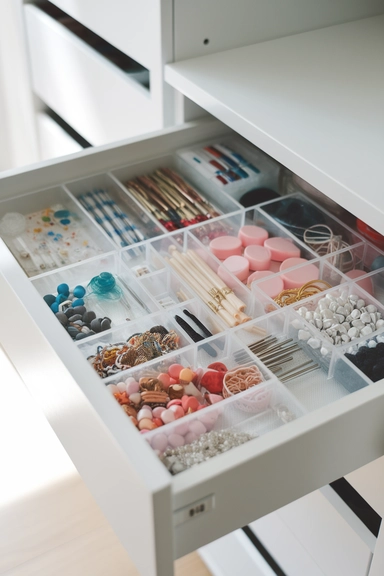
One of the biggest hurdles in how to declutter craft supplies is managing unfinished projects or UFOs (unfinished objects). Setting up a dedicated zone or container specifically for these items helps prevent them from overtaking your entire craft room. This focused space allows you to keep your work-in-progress visible and organized, which can motivate you to complete projects while keeping clutter at bay. This craft room purge idea is especially effective in apartment living where compact spaces demand intentional organization.
By confining unfinished projects to a single area, you avoid scattering supplies all over your workspace, which often leads to feeling overwhelmed. Use clear bins or stackable boxes labeled with project names or deadlines to streamline your workflow. This tactic also supports craft room organization and decluttering by helping you prioritize what truly matters, letting go of abandoned projects guilt-free. Overall, this zone creates a more inviting and functional craft space where creativity can flourish.
21 – Repurpose Household Items for Budget-Friendly Craft Supply Storage
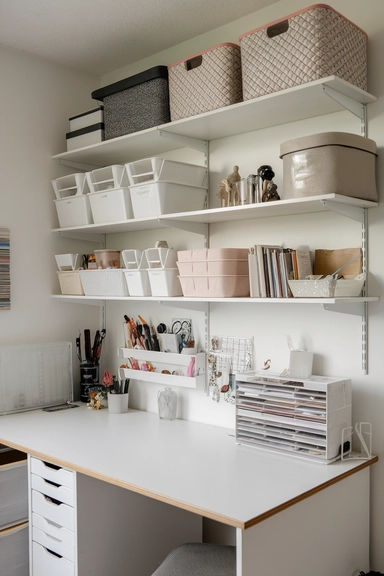
When aiming to declutter your craft room fast, repurposing household items can be a budget-friendly and creative solution. Items like mason jars, egg cartons, and muffin tins can be used to store beads, buttons, and small embellishments. This approach is ideal for small craft room decluttering ideas, as it maximizes existing resources without adding bulk. Not only does this reduce waste, but it also brings a unique, personalized touch to your craft room storage and declutter tips.
Repurposing encourages you to think outside the box and customize your organization system to fit your needs. For example, a spice rack can neatly hold rolls of washi tape or ribbons, while a shoe organizer can serve as a vertical storage option for paints and brushes in tight interiors. This method supports decluttering craft supplies by giving new life to everyday objects, saving money, and maintaining an orderly workspace. Plus, it’s a sustainable way to keep your creative area tidy and inspiring.
Conclusion
Implementing the 21 Craft Room Declutter Ideas That Actually Work can transform your creative space into an organized and inspiring haven. By incorporating smart storage solutions and effective organization tips, you’ll maximize your workspace and reduce clutter, making it easier to find your supplies and focus on your projects. These practical strategies not only enhance productivity but also bring a sense of calm and order to your craft room, encouraging creativity every time you step inside.