
Introduction
Tiny homes amplify every organizational weakness because space limitations leave no room for inefficiency. When storage decisions are reactive instead of intentional, clutter spreads quickly and disrupts daily routines. Effective tiny home organizing hacks focus on reducing volume, controlling placement, and aligning storage with how the space is actually used. Saving space is less about adding containers and more about eliminating friction in movement, access, and return. When every item has a defined role and location, small spaces feel calmer and more functional. These principles work especially well when paired with small apartment organizing ideas for smart storage that reinforce long-term spatial discipline.
1. Zone-Based Storage That Prevents Item Drift
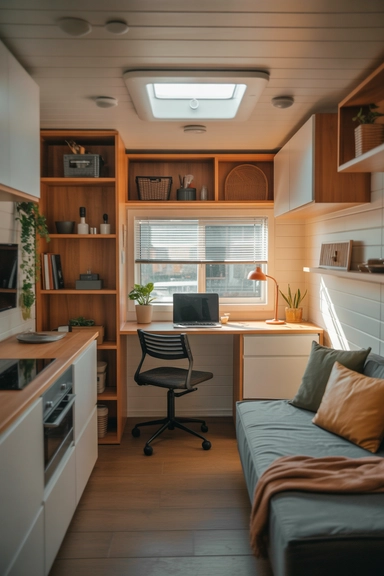
One of the most effective tiny home organizing hacks is zoning storage by activity rather than by room labels. In small spaces, items often migrate because boundaries are unclear. When storage is grouped around how tasks are performed, such as cooking, working, or relaxing, items naturally return to their place instead of spreading across the home.
Zoning reduces friction by shortening travel distance between use and storage. In tiny homes, even a few extra steps encourage clutter. Clear zones also prevent duplication, which is a common space waster. When each zone has defined limits, storage remains intentional and clutter loses the opportunity to accumulate.
2. Vertical Storage That Reclaims Wall Space
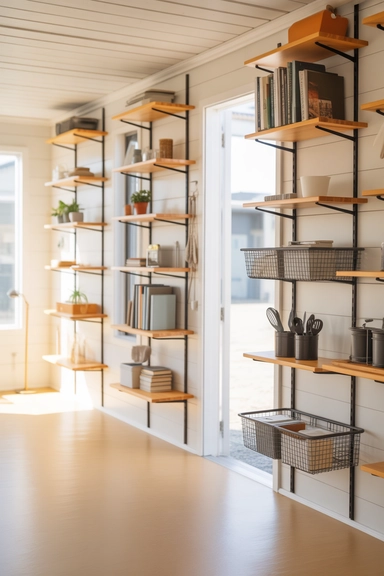
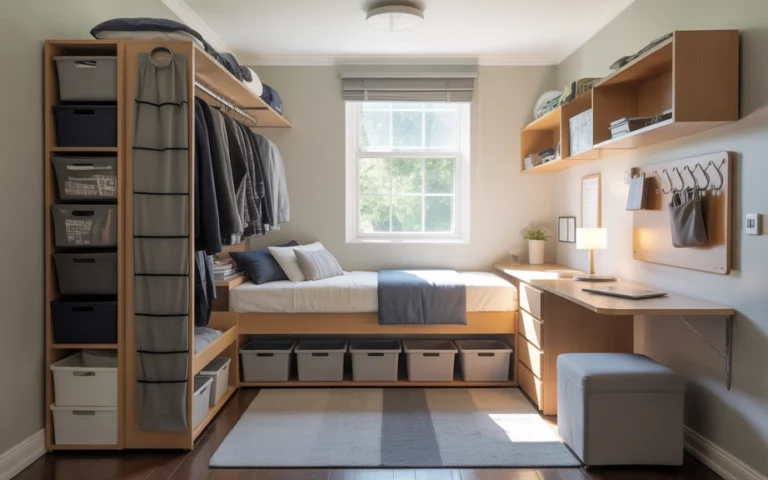
Vertical storage is a cornerstone of tiny home organizing hacks because walls often remain underused. Moving storage upward preserves floor area and keeps circulation paths clear. Shelving, wall-mounted systems, or hanging organizers turn unused vertical surfaces into functional storage without shrinking the living area.
Vertical systems must remain shallow to avoid visual heaviness. Overly deep shelves create the illusion of crowding and encourage overloading. In tiny homes, controlled vertical storage increases capacity while maintaining openness. When height is used intentionally, the space feels taller and more breathable instead of cramped.
3. Multi-Use Furniture That Reduces Redundancy
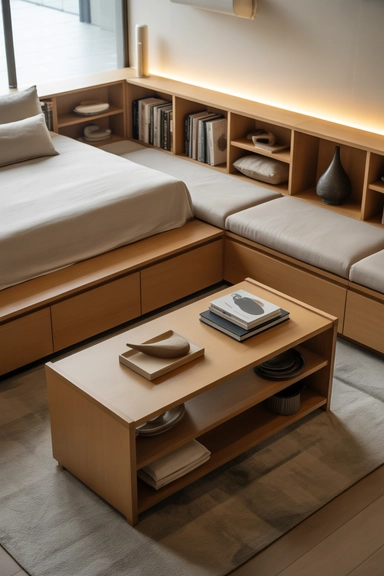
Furniture redundancy consumes valuable space in tiny homes. Smart tiny home organizing hacks prioritize multi-use furniture that serves more than one function without adding complexity. Beds with storage, seating with concealed compartments, or tables with integrated shelving reduce the need for separate storage pieces.
The success of multi-use furniture depends on accessibility. Storage that is difficult to reach or requires excessive effort often goes unused. In tiny homes, furniture should support daily habits, not complicate them. Well-designed multi-use pieces reduce clutter by absorbing storage needs seamlessly into existing functions.
4. Open and Closed Storage Balance That Controls Visual Clutter
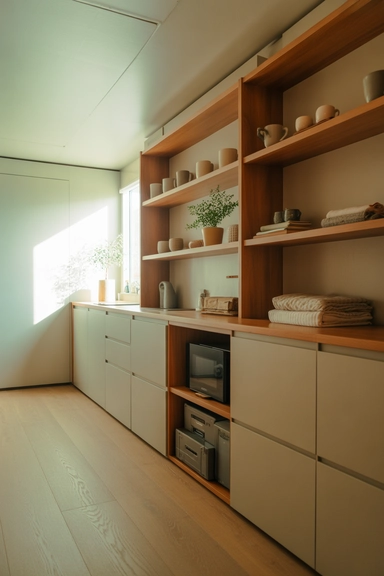
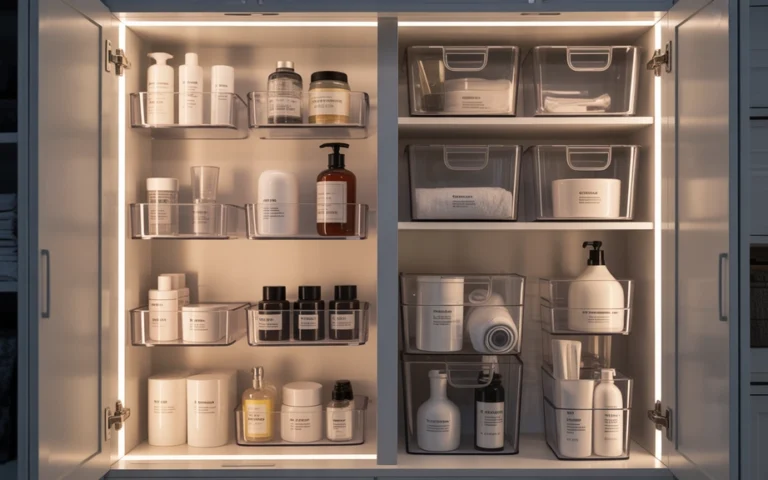
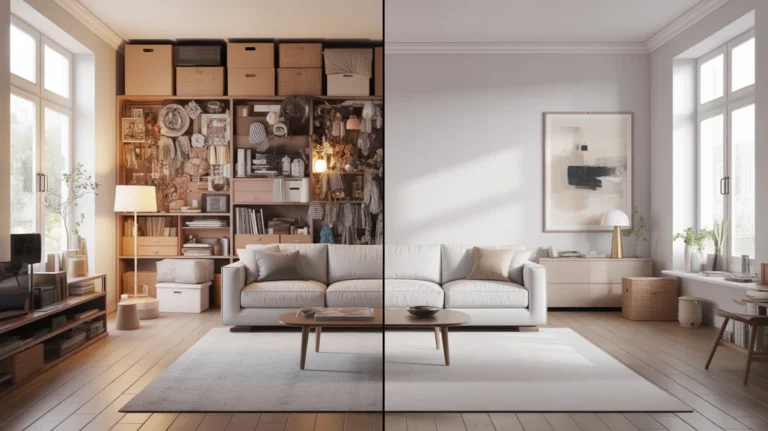
In tiny homes, visual clutter can feel just as overwhelming as physical clutter. Effective tiny home organizing hacks balance open and closed storage to maintain visual calm while keeping essentials accessible. Open storage works well for frequently used items, while closed storage absorbs bulkier or less attractive belongings.
Relying entirely on open storage exposes clutter, while only closed storage can feel heavy and inaccessible. The balance prevents sensory overload and supports quick resets. In small spaces, controlling what stays visible is critical to maintaining a sense of order and comfort.
5. Storage Limits That Enforce Intentional Ownership
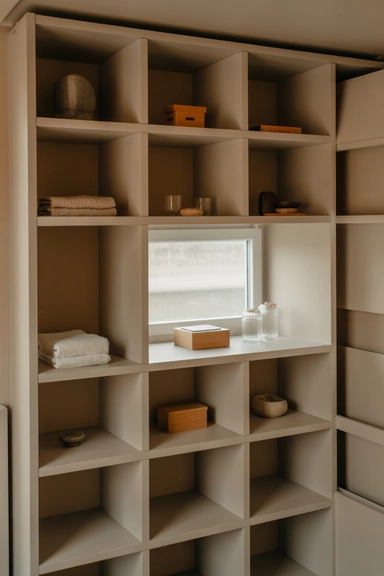
One of the most powerful tiny home organizing hacks is setting firm storage limits. Without clear capacity boundaries, small spaces absorb clutter silently until they become unmanageable. Storage limits force decisions and prevent excess from accumulating unnoticed.
When storage fills up, something must leave before something new enters. This constraint supports long-term order without constant reorganizing. In tiny homes, limits protect functionality by ensuring every item earns its place. Intentional ownership becomes a natural outcome of constrained, well-designed storage.
6. Storage That Follows Natural Movement Paths
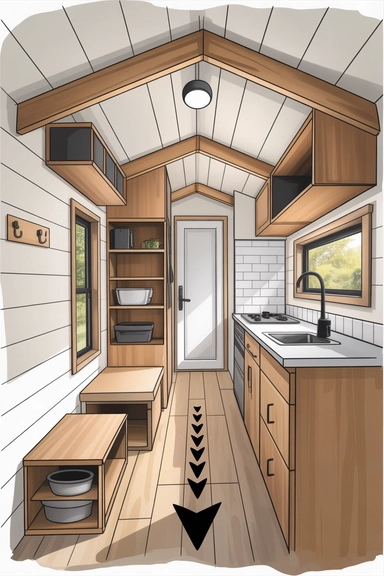
In tiny homes, storage placement must align with how people actually move through the space. When items are stored away from natural movement paths, they end up being set down temporarily and forgotten. Effective tiny home organizing hacks position storage where hands naturally reach during daily routines, reducing friction and preventing clutter from forming in transitional areas.
This approach requires observing habitual patterns rather than ideal layouts. Frequently used items should live along primary routes between entry, kitchen, and living zones. In a tiny home, even minor misalignment between movement and storage leads to visual disorder. When storage follows movement, tidiness becomes automatic instead of effortful.
7. Hidden Storage That Uses Overlooked Gaps
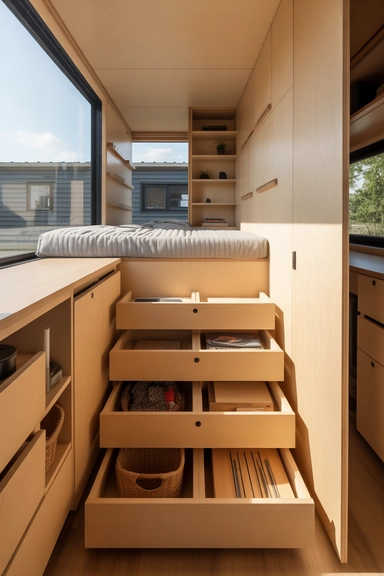
Tiny homes often contain small gaps that go unused, such as space beneath stairs, behind seating, or above door frames. Smart tiny home organizing hacks identify and activate these gaps without compromising circulation or comfort. Hidden storage absorbs volume without making the space feel smaller.
The key is restraint. Overloading hidden areas makes retrieval difficult and encourages forgetting what is stored. In tiny homes, hidden storage should support infrequently used items rather than daily essentials. When overlooked gaps are used selectively, storage capacity increases while the visual footprint remains minimal.
8. Modular Storage Systems That Adapt Over Time
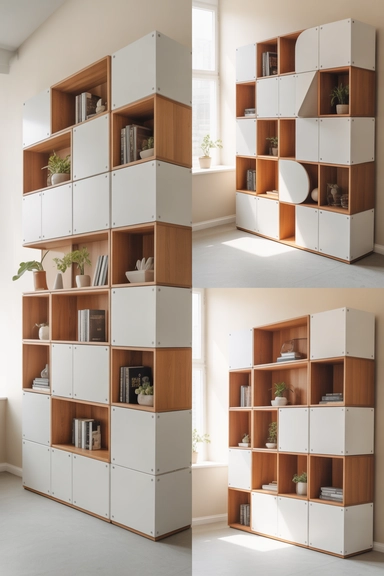
Rigid storage systems struggle in tiny homes because needs change quickly. Modular storage is a core principle of effective tiny home organizing hacks, allowing the space to evolve without constant redesign. Adjustable shelving, stackable units, or reconfigurable bins provide flexibility without visual chaos.
Modular systems must maintain clear boundaries to remain effective. Unlimited rearrangement invites disorder. In tiny homes, modular storage works best when zones remain consistent while internal configurations shift. This balance supports growth and change without undermining long-term organization.
9. Furniture Placement That Doubles as Storage Control
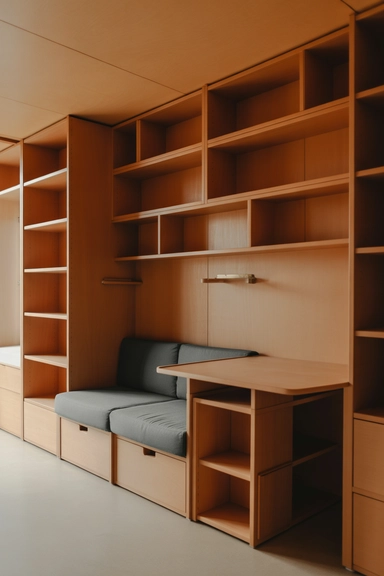
Furniture placement in tiny homes plays a direct role in organization. Poorly placed furniture blocks access to storage or creates dead zones where items accumulate. Smart tiny home organizing hacks use furniture to guide storage behavior, not just provide seating or surfaces.
Placing furniture along walls or using it to define zones creates natural containment. In tiny homes, furniture that floats without purpose often becomes a clutter magnet. When placement supports storage flow, the entire space feels more deliberate and easier to maintain.
10. Vertical Divisions That Separate Functions Without Walls
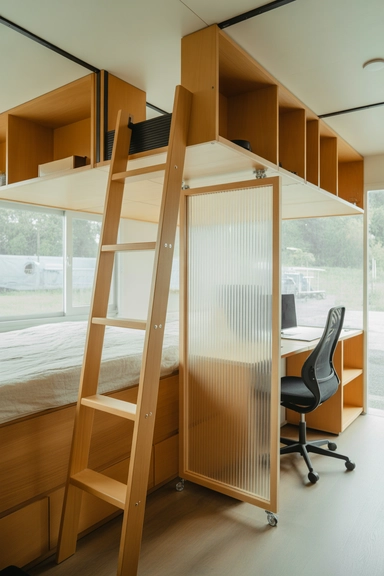
Walls consume valuable square footage in tiny homes, but functions still need separation. Effective tiny home organizing hacks use vertical divisions such as shelving units, curtains, or partial partitions to define areas without closing them off. This creates structure without sacrificing openness.
Vertical divisions must remain light and permeable. Solid barriers shrink perception and disrupt airflow. In tiny homes, separation should guide behavior rather than enforce boundaries. When functions are visually distinct but physically connected, clutter stays contained within its zone.
11. Storage That Prioritizes Ease of Return
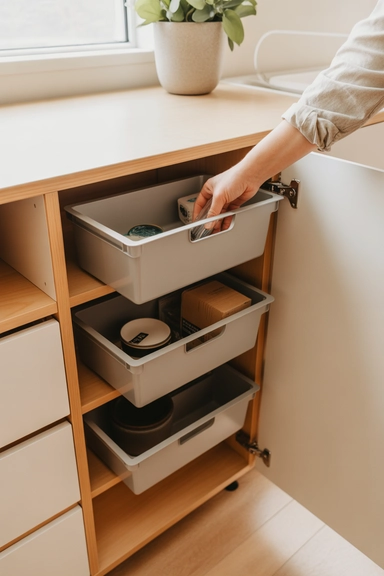
Organization systems fail when returning items requires effort. Tiny home organizing hacks succeed when storage makes return effortless, even during busy routines. If an item’s home is inconvenient, it will be left out, consuming valuable surface space.
Ease of return depends on proximity, visibility, and simplicity. Storage should be reachable without moving other items or opening multiple compartments. In tiny homes, frictionless return is essential because surfaces are limited. Systems that support quick reset maintain order without conscious effort.
12. Ceiling-Height Storage That Uses Vertical Limits Wisely
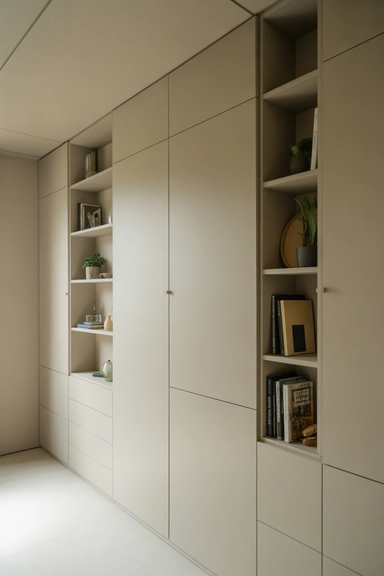
Tiny homes often stop storage at an arbitrary height, leaving valuable vertical space unused. Smart tiny home organizing hacks extend storage to the ceiling where appropriate, capturing volume without expanding the footprint. Upper storage works best for items that are needed occasionally but still require accessibility.
Ceiling-height storage must remain visually controlled to avoid heaviness. Uniform finishes and clean lines help upper cabinets or shelves blend into the background. In tiny homes, high storage should never feel dominant. When vertical limits are used intentionally, the space feels taller while quietly absorbing excess belongings.
13. Storage That Separates Daily Essentials From Long-Term Items
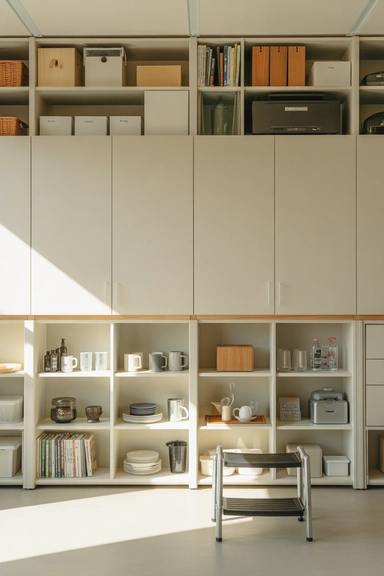
Mixing daily-use items with long-term storage creates unnecessary disruption in tiny homes. Effective tiny home organizing hacks separate these categories clearly, ensuring that everyday routines are not slowed by accessing stored-away belongings. This separation keeps high-traffic areas efficient and calm.
Daily essentials should live within immediate reach, while long-term items move to higher, deeper, or concealed storage. In tiny homes, this distinction prevents frequent reshuffling. When access frequency determines placement, storage supports flow instead of interrupting it.
14. Foldable and Collapsible Solutions That Disappear When Not Needed
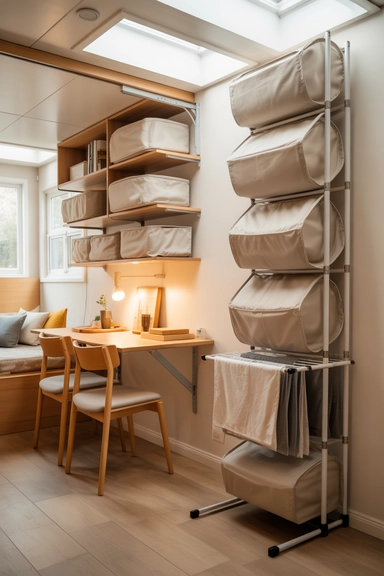
Foldable storage plays a crucial role in tiny home organizing hacks because it adapts to fluctuating needs. Items that are useful only at certain times should collapse or fold away completely when not in use. This prevents temporary needs from becoming permanent clutter.
Collapsible solutions must be easy to deploy and store. If setup feels inconvenient, they remain unused. In tiny homes, foldable furniture, drying racks, or storage bins should tuck into narrow gaps. This adaptability preserves openness while still supporting functionality.
15. Storage That Uses Furniture Undersides Efficiently
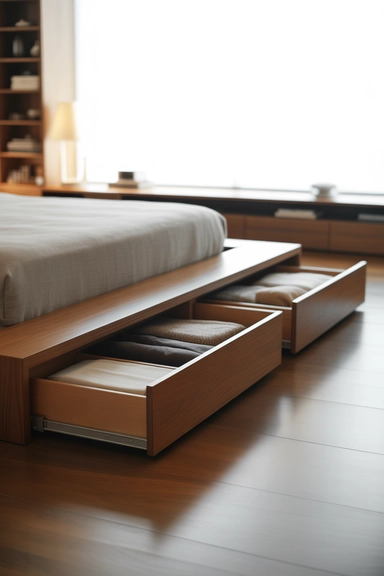
The underside of furniture often goes unused in tiny homes, yet it offers valuable storage potential. Smart tiny home organizing hacks activate these areas using low-profile bins or drawers that slide easily. This storage absorbs volume without interrupting sightlines or movement.
Under-furniture storage works best for items used regularly but not constantly. Accessibility matters; bins should glide smoothly without heavy lifting. In tiny homes, underuse of furniture undersides leads to surface clutter elsewhere. When activated correctly, these areas quietly increase capacity.
16. Systems That Prevent Surface Clutter From Accumulating
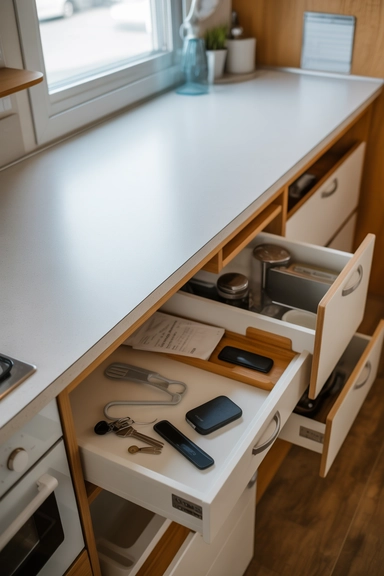
Surface clutter accumulates quickly in tiny homes because surfaces double as work, dining, and storage areas. Effective tiny home organizing hacks reduce surface dependency by relocating storage vertically or into furniture. The goal is to keep surfaces available for their intended functions.
This requires identifying which items regularly land on surfaces and assigning them permanent homes nearby. In tiny homes, even a few misplaced items overwhelm limited surfaces. Storage that pulls items off surfaces restores order and reduces visual stress immediately.
17. Storage That Maintains Visual Consistency Across Zones
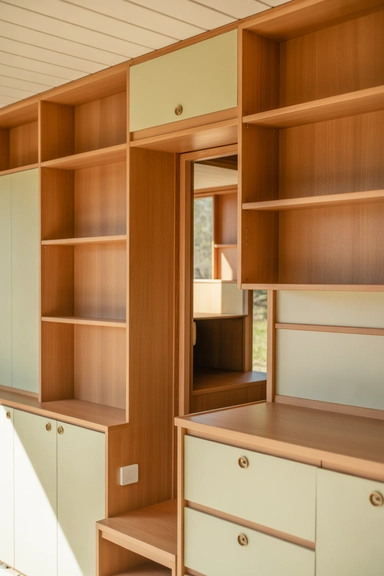
Visual inconsistency makes tiny homes feel busier than they are. Smart tiny home organizing hacks maintain consistency in storage materials, colors, and proportions across zones. This creates cohesion, allowing the eye to move smoothly through the space.
Consistency does not mean uniformity, but it does require restraint. Mixing too many storage styles fragments perception. In tiny homes, visual harmony amplifies the sense of space. When storage feels intentional across zones, the home feels larger, calmer, and easier to maintain.
18. Storage That Respects Sightlines and Natural Light
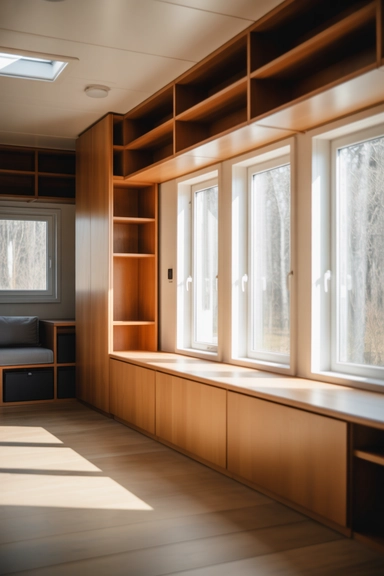
Tiny homes rely heavily on sightlines and natural light to feel open. Storage that blocks windows or interrupts long visual lines makes spaces feel smaller than they are. Smart tiny home organizing hacks respect these visual pathways by keeping storage low near windows and placing taller units where they do not obstruct light or views.
This approach preserves openness without sacrificing function. In tiny homes, visual interruption has a disproportionate impact on comfort. When storage aligns with sightlines, rooms feel calmer and more breathable, reinforcing the effectiveness of wall organizer ideas that keep surfaces clutter-free without overwhelming the space.
19. Single-Zone Storage for Multi-Purpose Items
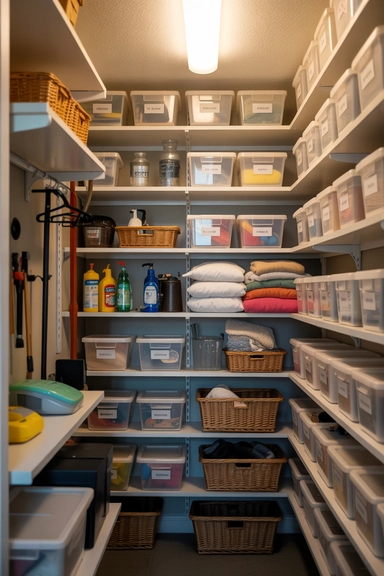
Items that serve multiple purposes often cause clutter because they lack a clear home. Effective tiny home organizing hacks assign multi-purpose items to a single, consistent storage zone rather than allowing them to float between areas. This prevents duplication and confusion.
The zone should sit near the item’s most frequent use, even if it serves other functions elsewhere. In tiny homes, ambiguity leads to surface clutter. Clear ownership of space ensures multi-use items return to storage instead of lingering in transitional areas.
20. Storage Systems That Enforce Easy Reset Routines
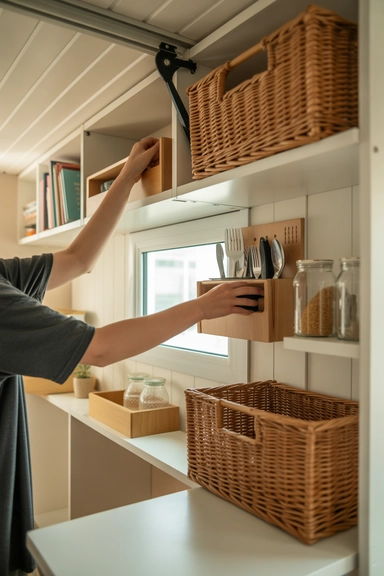
Tiny homes demand quick resets because disorder becomes noticeable immediately. Organizing hacks that support fast cleanup are more sustainable than systems that require precision. Storage should allow items to be put away quickly without rearranging other contents.
Easy reset systems rely on open access, shallow depth, and clear boundaries. In tiny homes, frictionless cleanup keeps routines intact even on busy days. When reset takes seconds instead of minutes, order becomes habitual rather than aspirational.
21. Storage That Makes the Space Feel Finished, Not Temporary
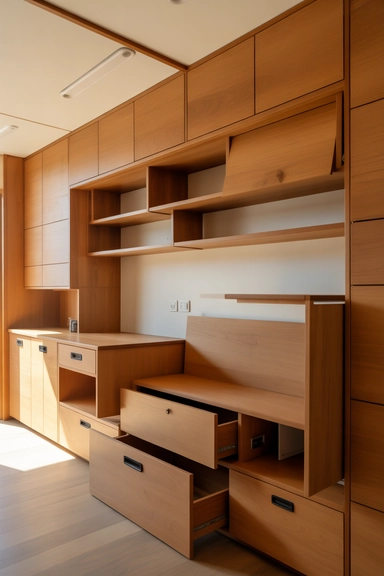
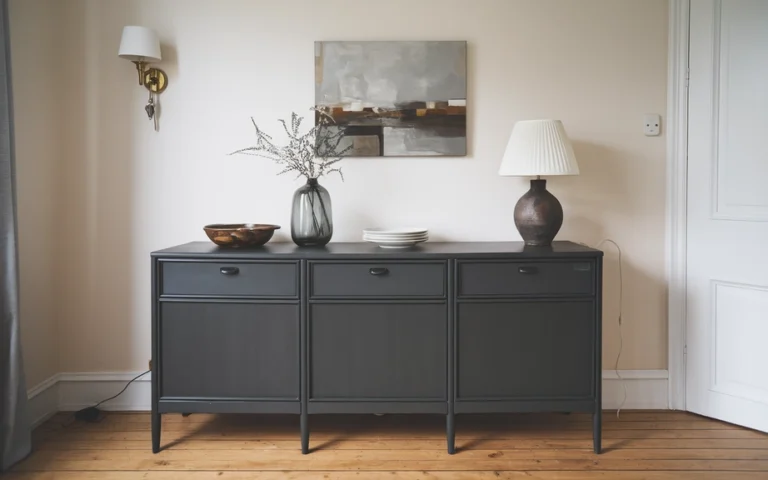
Tiny homes often feel cluttered when storage looks improvised or mismatched. The most effective tiny home organizing hacks treat storage as a permanent part of the design rather than an afterthought. Aligned finishes, consistent proportions, and intentional placement give storage a sense of completeness.
When storage feels finished, people are more likely to maintain it. In tiny homes, this sense of permanence reduces visual stress and prevents gradual disorder. A completed look reinforces long-term organization without constant effort.
Conclusion
Tiny home organizing hacks succeed when they align storage with movement, visibility, and real daily behavior. By controlling volume, respecting sightlines, and reducing friction at every step, small spaces become easier to live in and maintain. The most effective solutions do not rely on constant discipline; they quietly guide items back into place. When storage feels intentional and integrated, tiny homes feel calmer, more functional, and significantly more spacious over time.