
Introduction
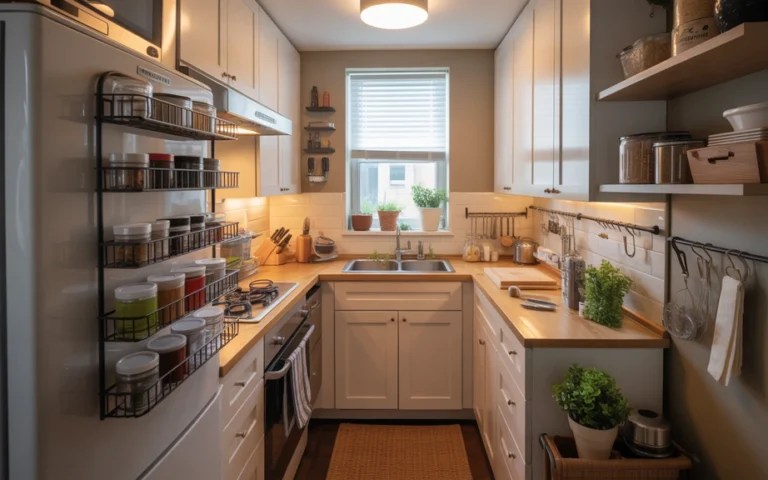
Sharing a bedroom can quickly become chaotic when storage systems aren’t clearly defined. The most effective shared kids room organization focuses on giving each child their own zones while keeping the room functional as a whole. When storage, layouts, and routines are structured properly, even small bedrooms can stay organized without constant intervention. Thoughtful planning helps prevent arguments, reduces clutter, and keeps daily cleanup manageable. Whether you’re working with bunk beds or limited floor space, the right setup makes a shared room easier to maintain. For broader bedroom resets, start with 23 Bedroom Organizing Ideas That Reduce Visual Clutter Instantly.
1- Create Clearly Defined Personal Zones
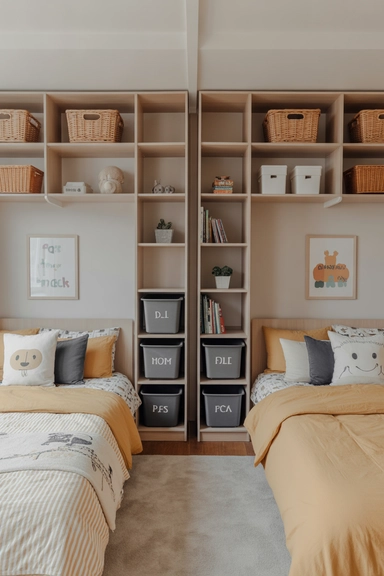
One of the most effective shared kids room organization strategies is assigning each child a clearly defined personal zone. This can include their own shelf, drawer, or section of the closet so belongings don’t get mixed together. Using shared kids room organization ideas like labeled bins or color-coded storage helps children quickly identify what belongs to them. When each child has a defined area, daily cleanup becomes easier and arguments over misplaced items are reduced.
Position storage zones near each child’s bed so access feels natural. Even in small shared kids room organization layouts, separate zones can be created with shelves or furniture placement. Keeping boundaries clear prevents clutter from spreading across the room. Over time, defined personal zones support independence while maintaining order in a shared environment.
2- Use Matching Storage for Visual Balance
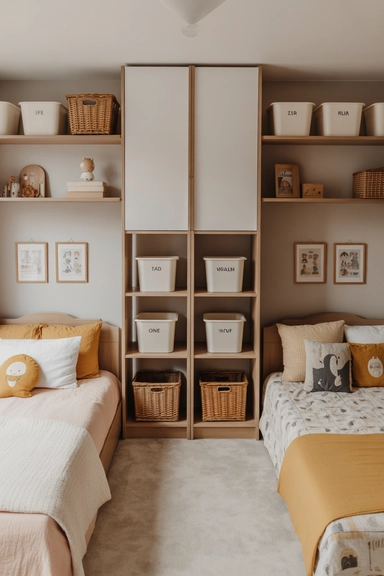
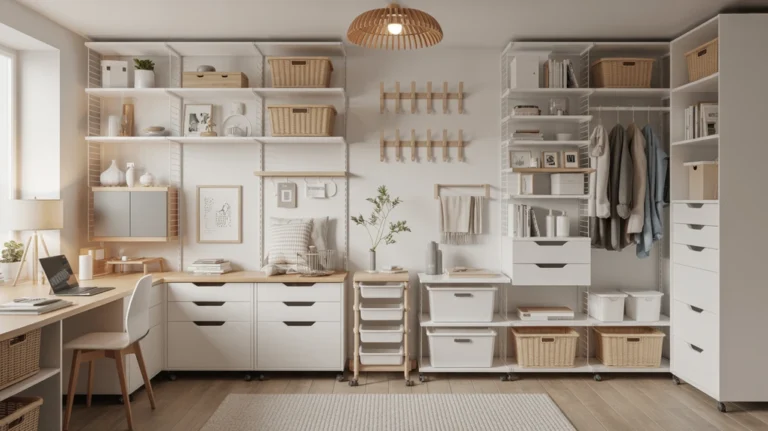
Consistency plays a major role in shared kids room organization, especially when two children share one space. Matching storage bins, baskets, or shelves create visual balance while still allowing each child to have separate compartments. Using shared kids room organization ikea style modular units helps maintain symmetry and prevents the room from feeling chaotic.
Choose neutral storage units and personalize them with labels or subtle color accents. Matching systems make the room feel cohesive while keeping items separated. This approach works well in shared kids room organization pinterest inspired layouts where visual harmony matters. Over time, consistent storage reduces clutter and helps the room feel more structured.
3- Maximize Vertical Space With Wall Storage
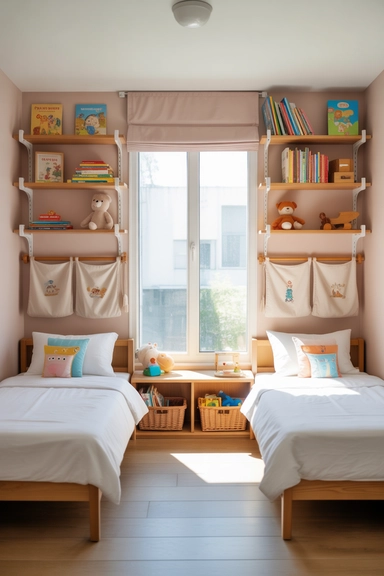
When floor space is limited, vertical storage becomes essential for effective shared kids room organization. Wall shelves, pegboards, and hanging organizers allow toys and supplies to stay accessible without crowding the room. Using vertical shared kids room storage systems keeps play areas open and prevents items from piling on the floor.
Install lower shelves for everyday items and higher shelves for less-used belongings. Keeping categories separated on each level prevents confusion. This method works especially well in small shared kids room organization ideas where every inch matters. Over time, vertical storage helps maintain order while maximizing usable space.
4- Use Bunk Beds With Built-In Storage
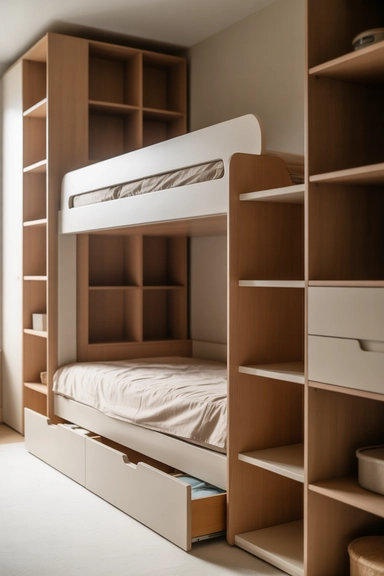
Bunk beds with drawers or shelves are practical shared kids room organization solutions for maximizing space. Built-in storage beneath or beside beds creates extra room for clothing, toys, and bedding without adding additional furniture. Using shared kids room layout strategies like this keeps storage contained and easy to access.
Choose bunk beds with deep drawers or side shelves to store frequently used items. Keeping each child’s belongings in separate drawers maintains fairness and clarity. This setup works especially well in small shared kids room organization scenarios where floor space is limited. Over time, built-in bed storage helps maintain a cleaner and more functional room.
5- Add Under-Bed Storage for Each Child
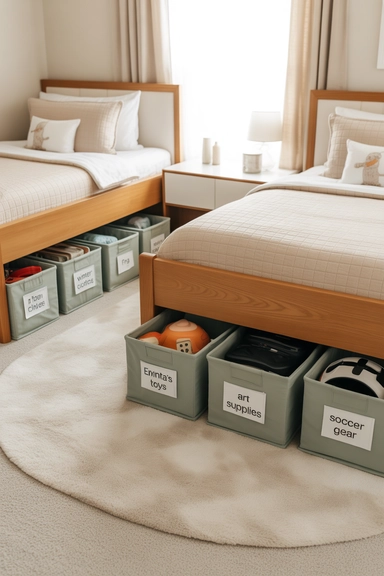
Under-bed space is valuable in shared bedrooms, making it one of the most practical shared kids room organization strategies. Assign each child their own under-bed bins for seasonal clothing, toys, or extra bedding. Using labeled under bed storage ensures items stay separated and easy to locate.
Choose flat containers that slide easily and fit the bed height. Keeping each child’s storage clearly marked prevents confusion. This method works well in shared kids room organization diy setups where custom labeling and simple bins create structure. Over time, under-bed storage helps maintain a clutter-free shared space.
6- Divide Closet Space Equally and Clearly
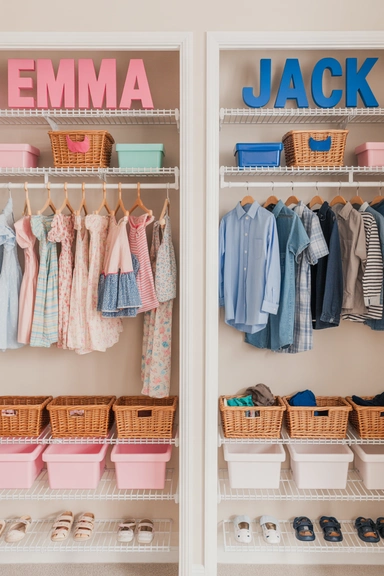
Closets can quickly become a source of conflict in shared bedrooms, which is why equal division is essential for effective shared kids room organization. Split hanging space, shelves, and drawers so each child has a clearly defined section. Using shared kids closet organization systems like dividers, labeled bins, and color-coded hangers helps maintain boundaries and keeps clothing from mixing together.
Install low rods or adjustable shelves so both children can reach their belongings independently. Keeping categories consistent on each side of the closet makes cleanup easier. Even in small shared kids room organization setups, clear closet divisions prevent clutter from spreading. Over time, structured closet systems reduce frustration and help maintain order.
7- Use Color-Coded Storage to Prevent Mix-Ups
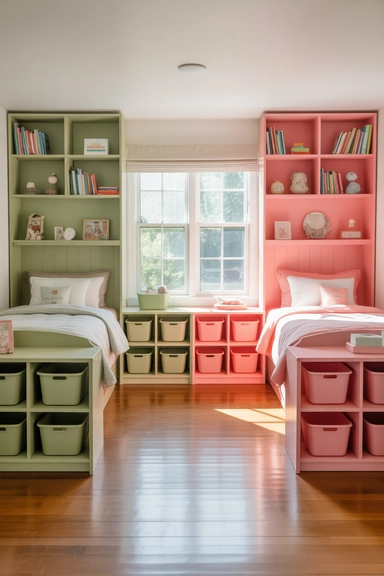
Color coding is one of the simplest yet most effective shared kids room organization methods. Assign each child a color for bins, baskets, and labels so belongings remain easy to identify. This works especially well in shared kids room organization ideas for younger children who may struggle with written labels. Color-coded systems make cleanup faster and reduce confusion.
Use consistent colors across shelves, drawers, and toy bins to reinforce ownership. Keeping colors balanced throughout the room maintains visual harmony while still separating items. This approach works well in shared kids room organization pinterest inspired designs where aesthetics and function overlap. Over time, color coding keeps shared spaces organized without constant reminders.
8- Add a Shared Toy Zone With Clear Categories
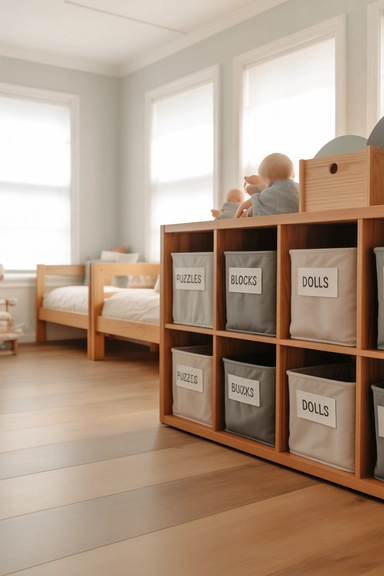
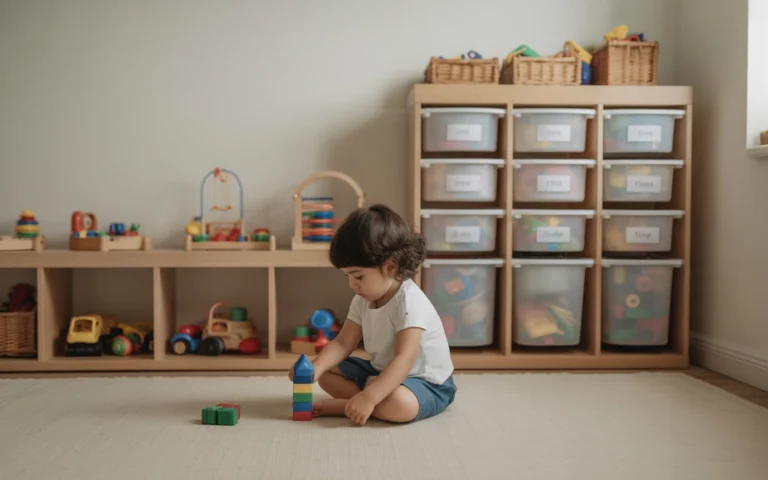
Even in shared bedrooms, toys should have a designated communal area to prevent clutter. Creating a central toy zone is one of the most practical shared kids room organization strategies. Use shelves or bins to separate categories like building sets, dolls, and games. This keeps shared items contained while still accessible to both children.
Keep only frequently used toys in the shared zone and store extras elsewhere. Using toy organizers shared kids room organization helps maintain order and prevents overflow. Placing the toy zone away from sleeping areas keeps the room calmer at night. Over time, structured shared toy zones reduce clutter and make cleanup more predictable.
9- Use Storage Benches for Dual-Purpose Function
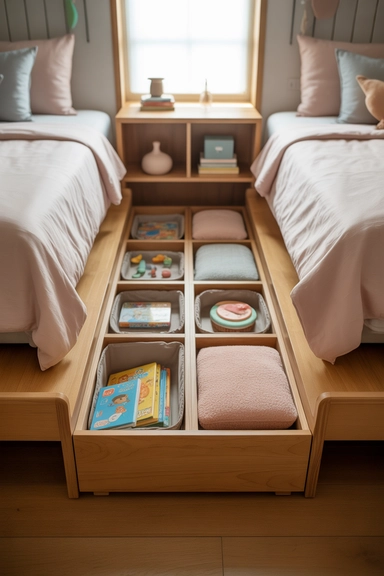
Furniture that doubles as storage is ideal for shared kids room organization in limited spaces. Storage benches at the foot of beds or along walls provide hidden compartments for toys, blankets, or seasonal items. Using storage cabinets shared kids room organization keeps clutter out of sight while maintaining seating space.
Choose benches with separate compartments so each child has their own section. Soft-close lids improve safety and ease of use. This setup works well in small shared kids room organization ideas where extra furniture isn’t practical. Over time, multi-functional storage benches help maintain a cleaner shared bedroom.
10- Use Drawer Towers for Flexible Storage
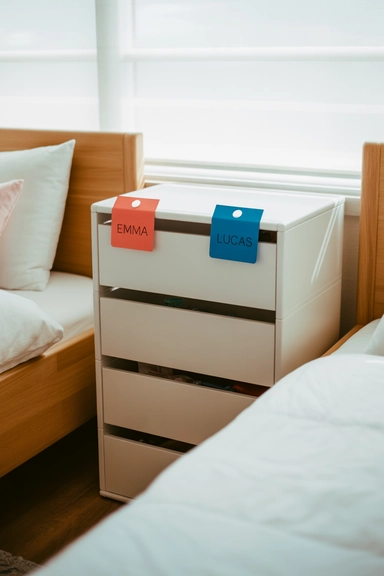
Drawer towers offer adaptable storage and are highly useful shared kids room organization tools. Multi-tier units allow each child to have designated drawers for clothing, toys, or school supplies. Using storage drawer carts & towers shared kids room organization keeps items separated while remaining accessible.
Place drawer towers between beds or along walls for easy access. Label each drawer clearly to reinforce ownership. Because these units are modular, they can be rearranged as needs change. Over time, flexible drawer systems help maintain organization in shared bedrooms without requiring permanent furniture changes.
11- Use Wall Hooks for Personal Everyday Items
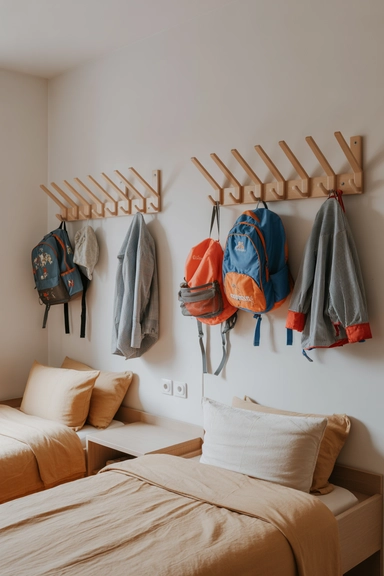
Wall hooks are simple but effective tools for maintaining shared kids room organization, especially for items used daily. Each child can have their own hook for backpacks, jackets, or pajamas so belongings don’t end up on the floor. Using shared kids room organization ideas like this keeps personal items separated while freeing up drawer space. Hooks placed near each bed or door make it easy for children to hang items without reminders.
Choose sturdy hooks installed at child height so they can be used independently. Assigning one hook per child prevents confusion and keeps routines predictable. This approach works especially well in small shared kids room organization setups where floor storage is limited. Over time, wall hooks help maintain order and reduce clutter buildup.
12- Add Bedside Storage for Each Child
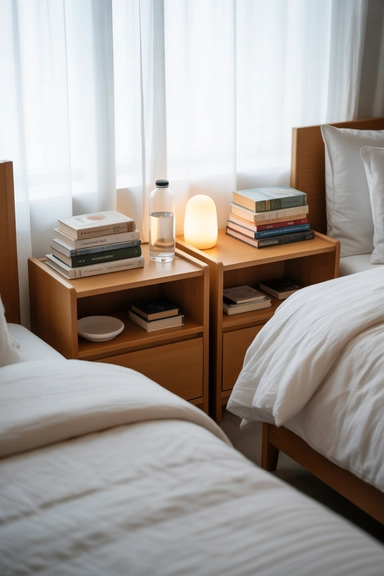
Providing individual bedside storage is essential for effective shared kids room organization. Small shelves, nightstands, or wall pockets beside each bed allow children to keep personal items like books, water bottles, and small toys within reach. Using bedside storage shared kids room systems ensures items stay contained instead of spreading across the room.
Choose compact units that fit neatly beside each bed without crowding the space. Keeping bedside storage minimal prevents clutter from building up overnight. This approach works well in shared kids room organization ikea inspired layouts where symmetry and function are balanced. Over time, personal bedside storage helps maintain individual responsibility and keeps surfaces clear.
13- Use Floating Shelves for Individual Displays
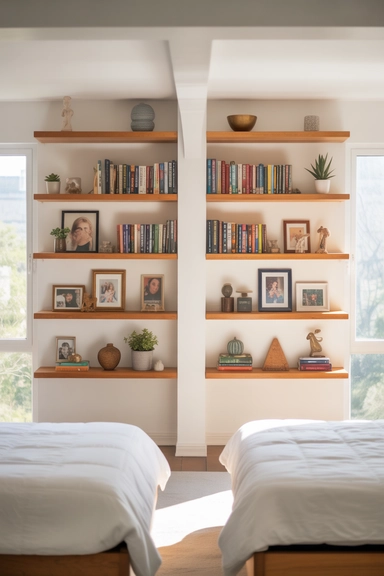
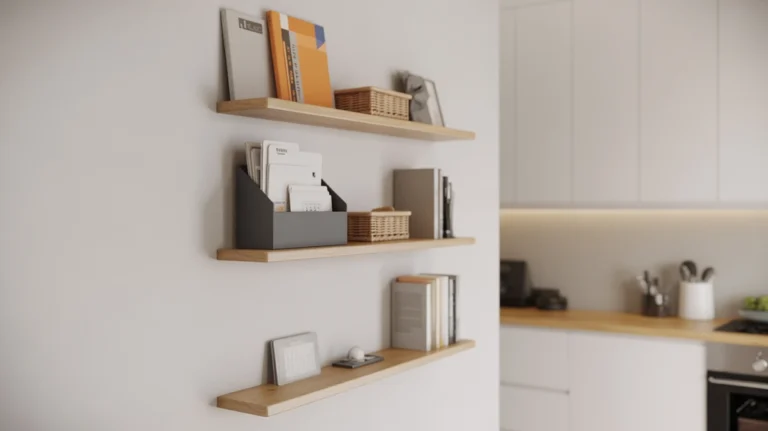
Floating shelves provide each child with a personal display area while supporting shared kids room organization. These shelves can hold favorite books, small decor, or special toys without taking up floor space. Using shared kids room organization pinterest style floating shelves keeps the room visually balanced while allowing personalization.
Install shelves at equal heights for fairness and consistency. Limiting display items prevents overcrowding and keeps surfaces tidy. This approach works well in small shared kids room organization ideas where vertical storage is essential. Over time, floating shelves give each child a sense of ownership while maintaining a clean shared environment.
14- Create a Homework and Craft Station
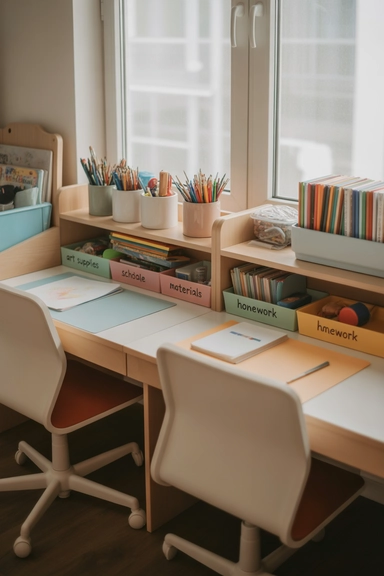
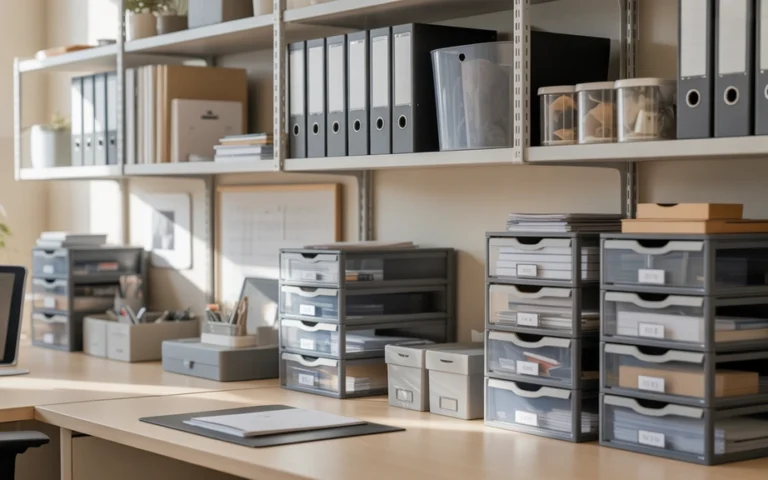
Shared bedrooms often double as study areas, making structured work zones important for shared kids room organization. A small desk or shared table with divided storage keeps school supplies and craft materials organized. Using desk organizers shared kids room organization ensures each child has their own compartment for pencils, notebooks, and supplies.
Place the station near natural light to support focus. Keeping supplies separated prevents arguments and reduces clutter. Even in smaller rooms, a compact shared workspace helps maintain order. Over time, dedicated homework and craft zones keep supplies contained and prevent them from spreading across the room.
15- Use Label Systems for Everything
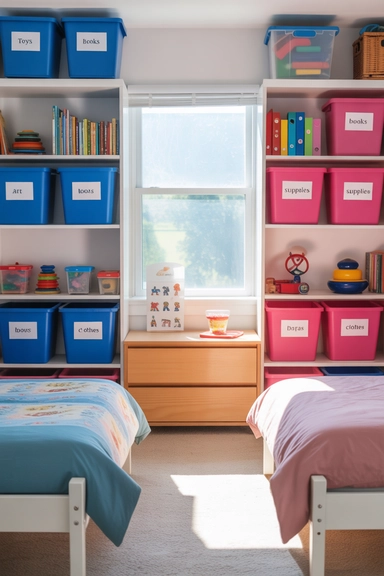
Labels are one of the most powerful tools for maintaining shared kids room organization over time. Clearly labeled bins, drawers, and shelves ensure every item has a defined place. Using shared kids room organization diy label systems with pictures or colors helps younger children understand where things belong.
Keep labels simple and consistent across all storage areas. Reinforcing categories helps children remember where items go after use. This approach works especially well in small shared kids room organization setups where clear systems are essential. Over time, labeling everything prevents clutter from returning and keeps the room structured.
16- Use Matching Dressers With Separate Drawers
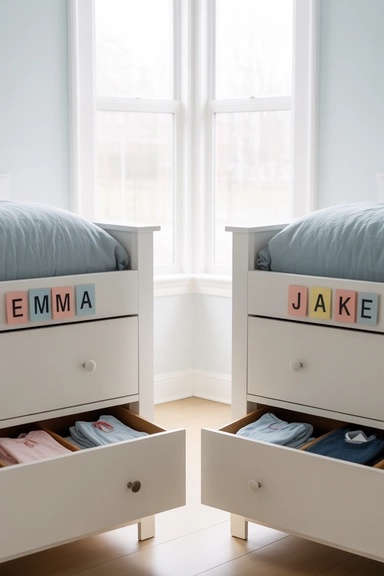
Dressers can quickly become cluttered in shared bedrooms unless space is clearly divided. One of the most reliable shared kids room organization strategies is giving each child their own dresser or clearly assigned drawers. Using dressers shared kids room organization systems ensures clothing stays separated and easy to find. This prevents morning routines from becoming chaotic and keeps laundry manageable.
Assign equal drawer space so both children feel ownership of their storage. Use dividers inside drawers to keep clothing categories organized. Matching dressers also create visual balance within the room. Over time, clearly divided dresser storage supports independence and prevents clothing from mixing together.
17- Add Storage Between Beds for Shared Access
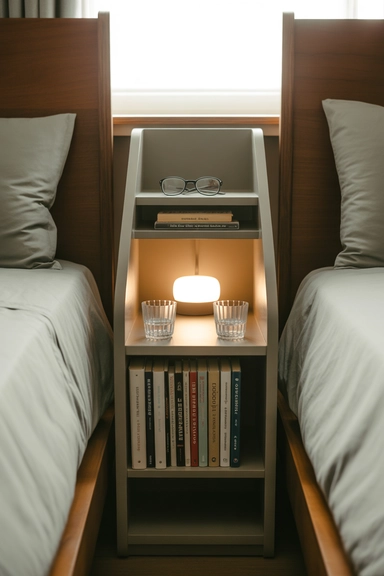
Placing storage between beds is a practical shared kids room organization solution that maximizes unused space. A small shelf, cubby unit, or drawer tower positioned centrally allows both children to store shared items like books, nightlights, or bedtime essentials. Using shared kids room layout strategies like this keeps items accessible without crowding personal zones.
Choose narrow storage that fits neatly between beds without blocking movement. Keeping shared items here prevents them from ending up in personal storage areas. This approach works especially well in small shared kids room organization ideas where every inch matters. Over time, central storage helps maintain balance and keeps shared belongings organized.
18- Create a Rotation System for Shared Toys
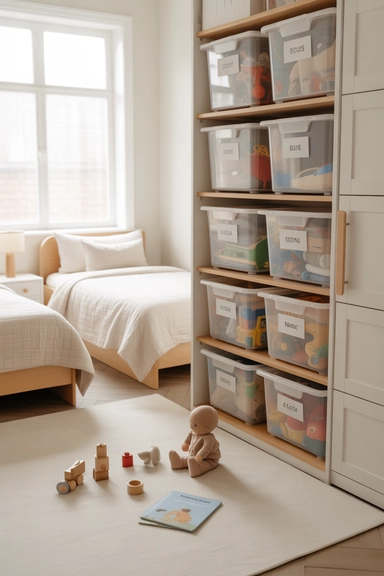
Shared toy collections can quickly overwhelm a bedroom without limits. A rotation system is one of the most effective shared kids room organization strategies for maintaining order. Store half of the toys in labeled bins and keep only a manageable selection accessible. Using toy organizers shared kids room organization ensures everything stays contained.
Rotate toys every few weeks to keep interest high without adding clutter. This method prevents overcrowding and keeps cleanup manageable. It also reduces arguments over shared items because the number of toys available at once stays controlled. Over time, rotation systems maintain balance and keep the room from becoming chaotic.
19- Use Curtains or Dividers for Privacy Zones
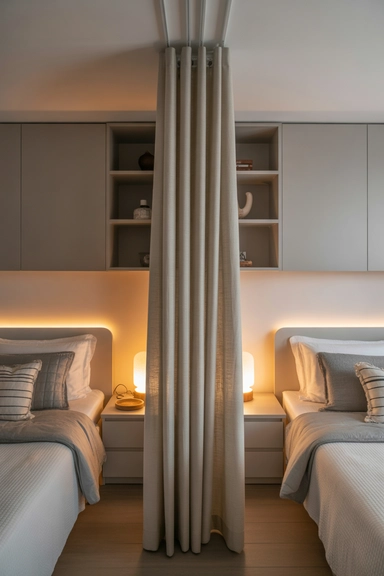
Privacy can be challenging in shared bedrooms, making visual dividers helpful for shared kids room organization and harmony. Curtains, shelving units, or partial room dividers create personal space without fully separating the room. Using shared boy girl room ideas or sibling-friendly layouts ensures each child has a sense of ownership.
Place dividers strategically so both sides still receive light and airflow. Keeping personal zones visually distinct helps reduce conflict. This approach works especially well in small shared kids room organization setups where full walls aren’t possible. Over time, simple privacy solutions help maintain peace and structure.
20- Keep a Minimal Daily Reset Routine
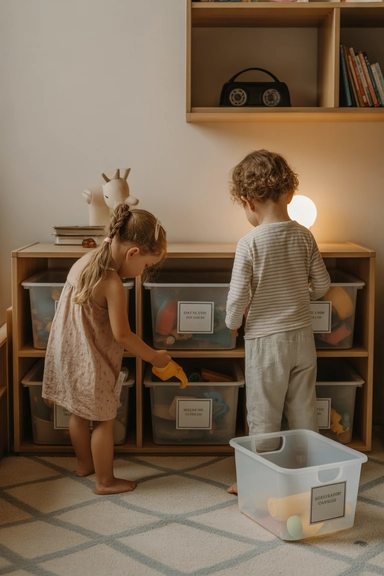
Even the best systems need maintenance, making routines essential for lasting shared kids room organization. A short daily reset ensures toys, clothes, and supplies return to their proper places. Using shared kids room organization tips like a five-minute cleanup before bedtime keeps clutter from building up.
Encourage both children to tidy their personal zones and shared spaces together. Keeping routines consistent prevents mess from escalating. This method works in any room size and reinforces responsibility. Over time, a simple daily reset helps maintain order and keeps shared spaces functional.
21- Use Modular IKEA Systems That Grow With Them
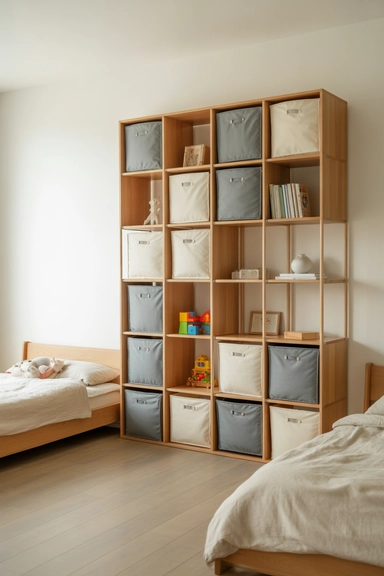
Flexible furniture is key for long-term shared kids room organization, especially as children grow and needs change. Modular shared kids room organization ikea units allow shelves, drawers, and bins to be rearranged easily. This adaptability makes them ideal for evolving storage needs without replacing furniture.
Choose neutral modular systems that can be adjusted over time. As children grow, toy bins can be replaced with book storage or study supplies. Keeping the system adaptable ensures it continues working for years. Over time, modular storage keeps shared rooms organized while accommodating changing routines and interests
Conclusion
Effective shared kids room organization isn’t about fitting more storage into one room—it’s about creating clear boundaries, balanced layouts, and simple systems both children can maintain. When personal zones, shared storage, and vertical solutions are thoughtfully planned, even small bedrooms can stay calm and functional. Consistent labeling, fair division of space, and daily reset routines prevent clutter from building up over time. With adaptable furniture and structured routines in place, a shared bedroom can feel organized, peaceful, and manageable long term.