
Fresh produce is one of the most wasted food categories in any home. Fruits soften too fast, greens wilt overnight, and vegetables disappear behind crowded shelves. The problem is rarely the food itself, but the lack of structured storage that supports airflow, visibility, and moisture balance. Proper produce storage keeps ingredients fresh longer, reduces repeat grocery trips, and makes healthy cooking easier to maintain. These fresh produce storage ideas are designed for real kitchens, not showroom perfection, and focus on systems that stay reliable over time. For extended cold-storage efficiency, pair these methods with 23 Freezer Organizing Hacks That Keep Food Visible and Fresh.
1- Use Ventilated Produce Containers
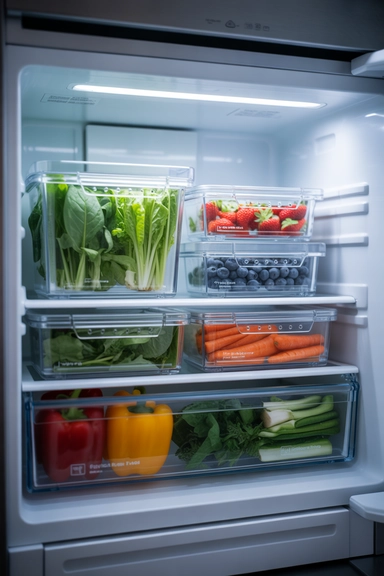
Storing fruits and vegetables loose in drawers traps moisture and accelerates spoilage. Ventilated produce containers solve this by allowing airflow while controlling humidity. Greens remain crisp, berries stay dry, and vegetables avoid soft spots caused by condensation. Clear walls also keep produce visible, preventing forgotten items at the back of drawers. This structured environment extends freshness without additional effort, making daily cooking easier and reducing discarded food.
Ventilated containers also simplify cleaning. Instead of wiping entire fridge drawers frequently, you only wash individual bins. Grouping produce by type creates predictable zones, which means quicker unloading after grocery shopping and less reshuffling later. Over time, this system keeps refrigerator organization stable, reduces food loss, and supports consistent meal planning with fresher ingredients always ready to use.
2- Line Produce Drawers with Paper Towels
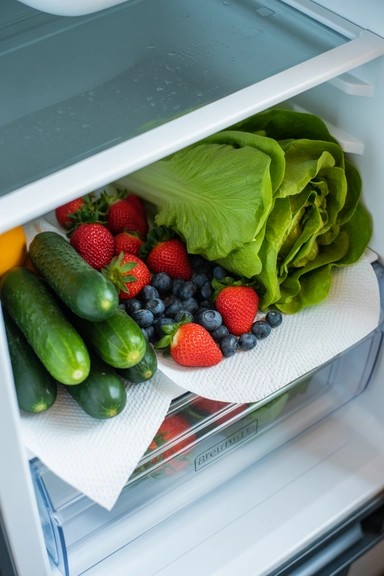
Excess moisture is the main cause of slimy greens and moldy berries. Lining produce drawers or containers with paper towels absorbs condensation before it damages food. This simple layer protects delicate fruits and vegetables from sitting in damp conditions while maintaining the humidity they need to stay fresh. The result is noticeably longer shelf life without changing your shopping or cooking habits.
Paper towel liners also make maintenance easier. When replacing produce, you simply remove the used liner instead of scrubbing drawer surfaces. This keeps fridge interiors cleaner and reduces odor buildup. Over time, moisture control becomes automatic, keeping produce crisp, minimizing mess, and lowering the frequency of produce waste that quietly increases grocery spending.
3- Separate Ethylene-Producing Fruits
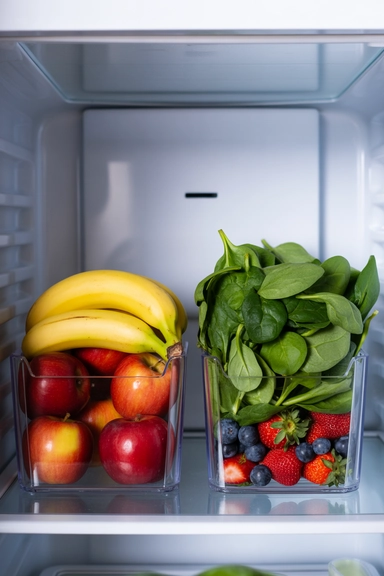
Certain fruits like apples, bananas, and avocados release ethylene gas that speeds ripening in nearby produce. When stored together with greens or berries, this invisible gas causes premature wilting and softening. Separating ethylene-producing fruits into their own container or drawer protects sensitive vegetables from accelerated spoilage and keeps all produce fresh longer.
Creating ethylene zones also improves visibility. You immediately know where ripening fruits belong and where delicate greens are stored. This reduces random stacking and prevents cross-contamination of storage environments. Over time, simple produce separation dramatically cuts down on surprise spoilage and keeps fridge organization logical, efficient, and easy to maintain daily.
4- Store Leafy Greens Upright
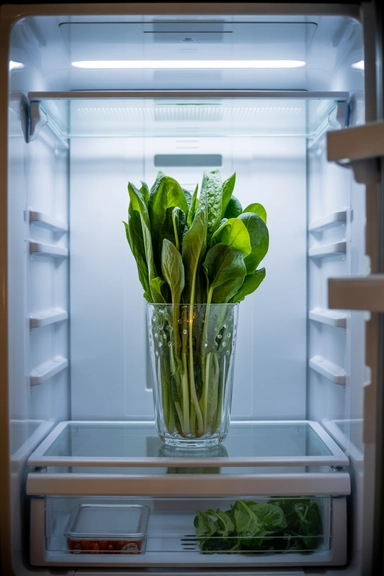
Leafy greens lose freshness quickly when compressed or laid flat. Storing them upright in breathable containers or jars allows airflow around leaves while preventing crushing. This keeps spinach, lettuce, and herbs crisp longer and avoids the soggy texture that comes from trapped moisture and pressure at the bottom of drawers.
Upright storage also improves accessibility. Instead of digging through a pile of greens, you can immediately see what is available and pull out only what you need. Over time, this reduces handling damage, keeps greens fresher, and ensures healthy ingredients are always visible instead of forgotten in cluttered drawers.
5- Use Clear Front-Facing Produce Containers
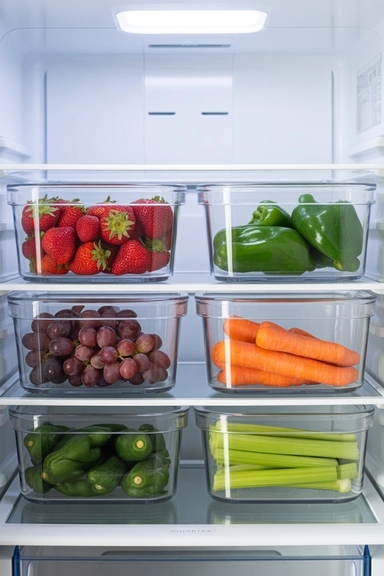
Produce hidden behind opaque packaging or stacked bags often gets overlooked until it spoils. Clear, front-facing containers display fruits and vegetables at a glance, turning fridge shelves into easy-to-read food zones. When visibility improves, meal decisions become faster and forgotten produce becomes rare.
Front-facing placement also prevents overbuying. You can instantly see what needs replenishing and what is still available. Containers stay aligned and stable, avoiding rolling produce and messy shelves. Over time, clear presentation keeps fridge organization intact, reduces food waste, and supports consistent healthy cooking without daily reorganization.
6- Store Produce in Correct Fridge Zones
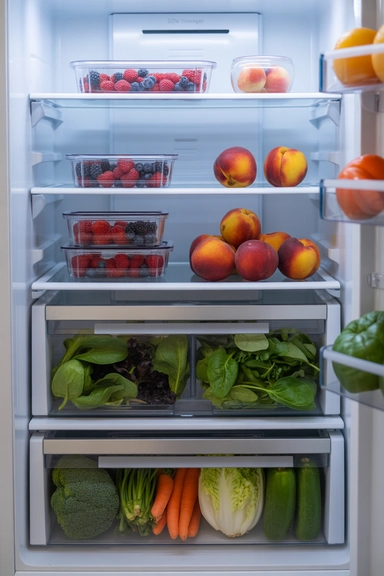
Not all refrigerator areas maintain the same temperature, and placing produce randomly leads to uneven freshness. Lower drawers typically hold higher humidity, making them ideal for leafy greens and vegetables that dry out quickly. Upper shelves stay cooler and drier, working better for berries and fruits that need less moisture. Assigning produce to correct fridge zones prevents premature wilting, sogginess, and mold growth that occurs when items sit in the wrong environment.
Zoned storage also speeds up daily use. When every produce category has a dedicated space, unloading groceries becomes quicker and retrieval becomes automatic. You stop shifting containers around to “make room” because each zone is designed for its purpose. Over time, temperature-based placement stabilizes freshness, reduces food loss, and keeps refrigerator organization consistent without constant adjustment.
7- Use Breathable Produce Storage Bags
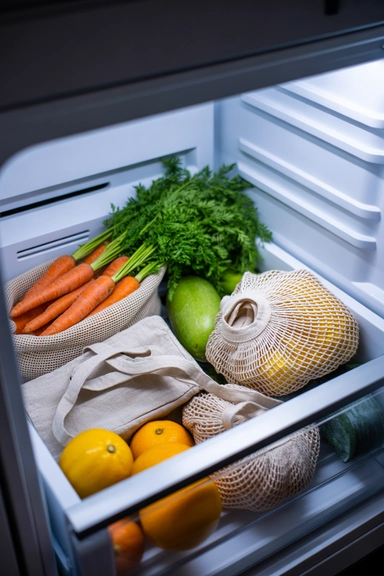
Plastic grocery bags trap moisture, causing fruits and vegetables to sweat and decay faster. Breathable produce storage bags solve this by allowing airflow while maintaining enough humidity to prevent dehydration. Greens stay crisp, carrots remain firm, and berries avoid condensation buildup. This controlled environment extends shelf life without changing how you shop or cook.
Breathable bags also simplify fridge layout. Produce can be grouped neatly without loose items rolling into drawers. Each bag acts as a mini container that lifts out easily during meal prep. Over time, this method reduces drawer mess, prevents cross-contact bruising, and ensures produce stays visible, protected, and consistently fresh.
8- Create a Wash-and-Prep Produce Zone
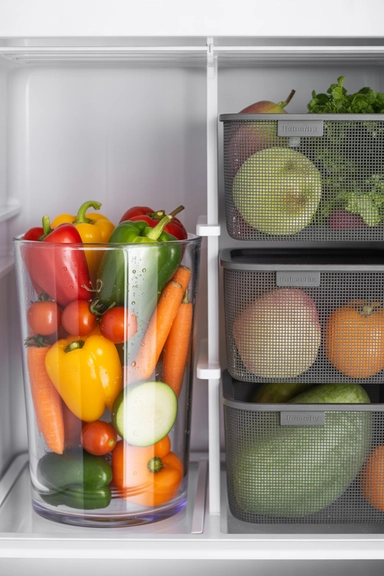
Unwashed produce often sits in the fridge too long before prep, increasing the chance of spoilage. Creating a dedicated wash-and-prep zone solves this. A small container or tray near the front of the fridge holds ready-to-eat washed produce, while unwashed items stay in a separate drawer. This keeps moisture from spreading and prevents cross-contamination between clean and unclean foods.
A prep zone also encourages healthier eating habits. When washed fruits and vegetables are immediately accessible, they are used more often instead of forgotten. This method pairs well with broader kitchen systems like 22 Dollar Store Pantry Organizing Ideas That Reduce Daily Clutter, creating a smooth transition from fridge to prep to storage. Over time, this approach reduces waste and daily kitchen friction.
9- Store Root Vegetables in Dark, Dry Containers
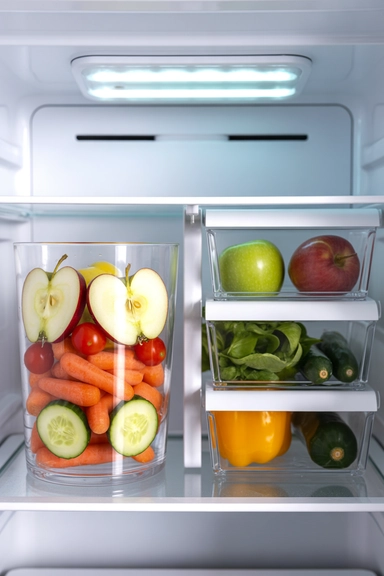
Potatoes, onions, and garlic spoil faster when exposed to light and excess moisture. Storing them in dark, ventilated containers outside the fridge keeps them firm and sprout-free longer. Dedicated root-vegetable bins prevent these items from spreading odors or moisture to other produce while maintaining proper airflow.
Dark storage also clears fridge space for items that require refrigeration. When root vegetables live in their own dry zone, you avoid overcrowding fridge drawers and mixing incompatible storage conditions. Over time, correct root-vegetable storage reduces spoilage, improves kitchen layout efficiency, and keeps produce systems logically structured.
10- Use Countertop Fruit Bowls Strategically
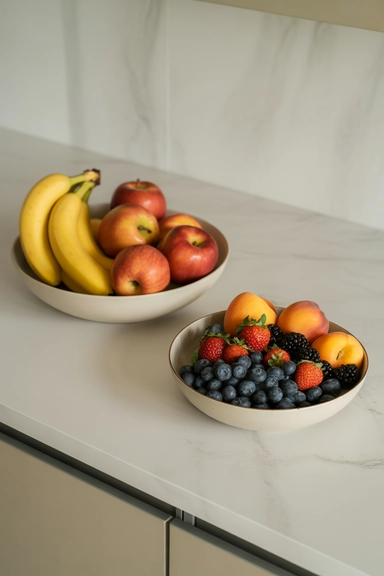
Leaving all fruits in one countertop bowl speeds ripening and increases waste. Strategic fruit-bowl storage separates fast-ripening fruits from slower ones, preventing ethylene buildup that softens produce too quickly. A shallow bowl also avoids stacking pressure that bruises delicate fruits like peaches or plums.
Countertop placement improves visibility, reminding you to use ripe fruit before it spoils. When bowls are intentionally arranged and limited in size, they encourage rotation instead of overflow. Over time, controlled countertop fruit storage balances freshness, reduces forgotten produce, and keeps kitchen surfaces looking tidy rather than cluttered.
11- Keep Delicate Produce on Upper Shelves
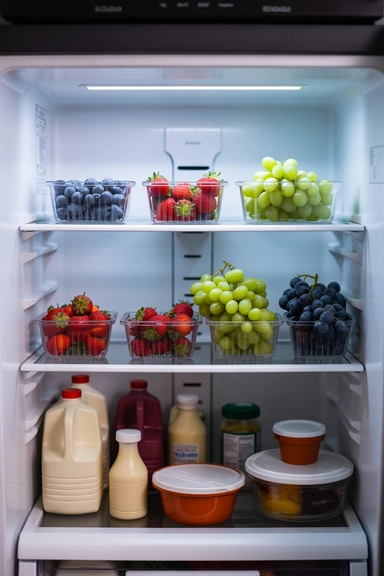
Soft fruits like berries, grapes, and cherries bruise easily when stored under heavier items. Placing delicate produce on upper refrigerator shelves protects them from pressure damage and prevents crushing inside drawers. This elevated position also keeps them within easy sight, reducing the chance of forgotten containers hiding behind taller items. When fragile produce has a dedicated safe zone, texture and appearance stay intact longer, making them more appealing to eat before spoilage begins.
Upper-shelf placement also improves airflow around delicate fruits. Consistent cooling prevents condensation buildup that leads to mold growth. When these items remain visible and untouched by heavier containers, daily access becomes smoother and faster. Over time, protecting delicate produce in raised zones reduces waste, preserves flavor quality, and maintains an orderly refrigerator structure that requires minimal reorganization.
12- Store Cut Produce in Sealed Glass Containers
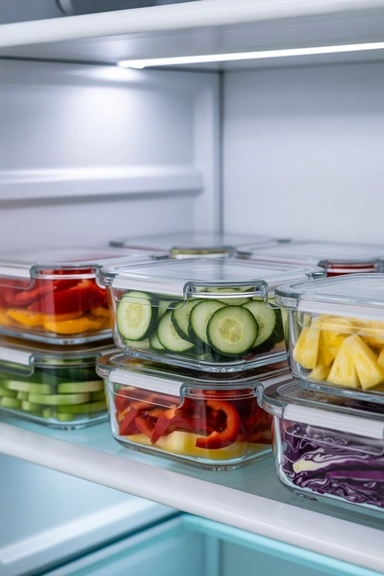
Once fruits and vegetables are cut, exposure to air accelerates dehydration and browning. Sealed glass containers slow oxidation while keeping odors contained and flavors fresh. Transparent walls make contents easy to identify, preventing forgotten leftovers buried behind larger items. Unlike plastic, glass does not absorb stains or smells, maintaining a clean storage environment for repeated use.
Using uniform glass containers also stabilizes shelf layout. Stacks remain level, lids seal consistently, and visibility stays high. This encourages regular consumption of pre-cut produce rather than letting it expire unnoticed. Over time, airtight glass storage reduces daily prep time, lowers food waste, and reinforces a tidy, professional-grade fridge organization system.
13- Separate Ready-to-Eat and Unwashed Produce
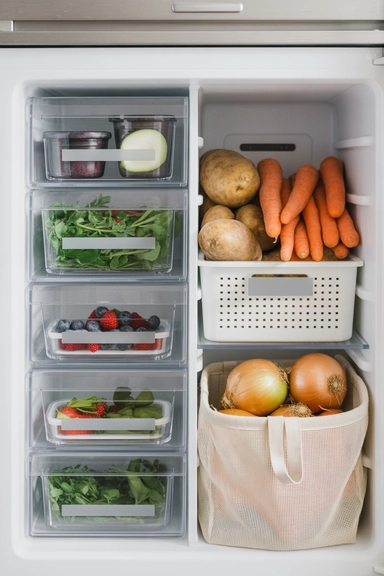
Mixing washed and unwashed produce creates moisture transfer and increases contamination risk. A clear separation system solves this by assigning one zone for ready-to-eat produce and another for unwashed items awaiting prep. Washed fruits and vegetables remain dry, clean, and immediately accessible, while unwashed produce stays contained without spreading dirt or excess moisture to other foods.
This separation also improves cooking efficiency. When meal time arrives, ready-to-use produce is instantly available without additional washing steps. It reduces repeated handling of unwashed items and keeps fridge drawers cleaner. Over time, dividing clean and unclean produce zones supports better food safety, extends freshness, and maintains consistent refrigerator order.
14- Avoid Overpacking Produce Drawers
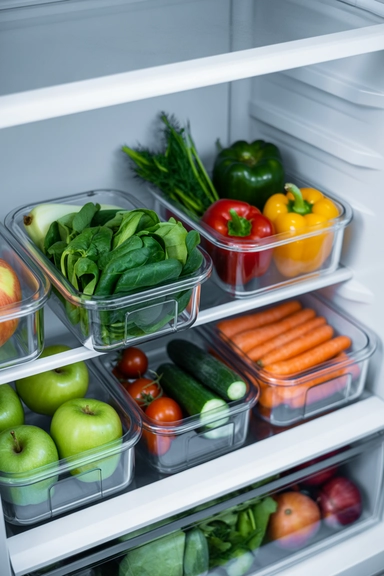
Cramming produce drawers blocks airflow and traps moisture, which accelerates spoilage. Leaving small gaps between containers and produce allows proper air circulation, maintaining stable humidity levels. A lightly filled drawer keeps fruits and vegetables fresher than one packed to capacity, even when storage tools are used.
Controlled drawer spacing also prevents crushing and hidden decay at the bottom of stacks. You can easily inspect produce without unloading everything to find damaged items. Over time, avoiding overcrowding reduces cleaning frequency, prevents chain spoilage, and keeps produce storage zones consistently functional rather than chaotic after each grocery trip.
15- Use Dedicated Herb Storage Systems
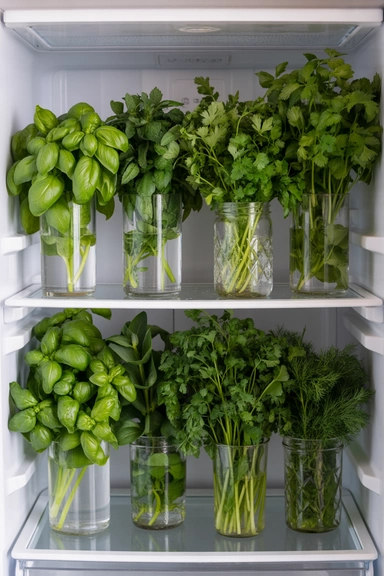
Fresh herbs require a balance of moisture and airflow to stay vibrant. Dedicated herb storage containers or upright jar systems keep stems hydrated while leaves remain dry and crisp. This prevents wilting, slime buildup, and rapid discoloration that occurs when herbs sit loose in plastic packaging.
Proper herb systems also create a predictable micro-zone inside the refrigerator. Instead of loose bundles rolling through drawers, herbs stay upright, visible, and easy to reach. Over time, this targeted storage method saves money on repeated herb purchases, maintains cooking flexibility, and strengthens the overall logic of produce organization throughout the fridge.
16- Use Moisture-Control Mats in Produce Drawers
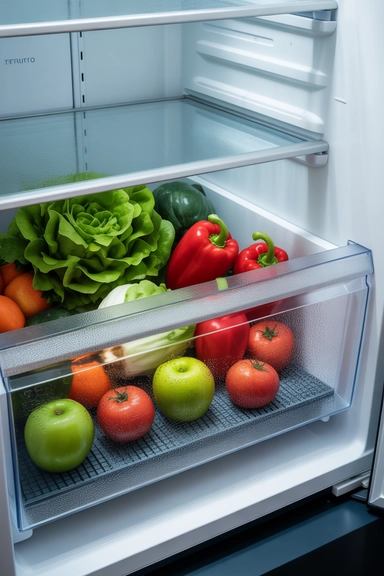
Even with good containers, excess condensation can still build up inside produce drawers. Moisture-control mats absorb extra water before it settles on fruits and vegetables, preventing slime, mold, and soft spots. These mats create a stable humidity environment that keeps produce crisp without drying it out. They also protect drawer surfaces from pooling water, which often causes lingering odors and bacterial growth.
Mats make drawer maintenance simple. Instead of removing everything for frequent deep cleaning, you just rinse or replace the mat. Produce stays cleaner, drawers stay fresh, and storage conditions remain consistent. Over time, moisture-control mats quietly extend shelf life, reduce cleaning effort, and keep fridge produce zones operating smoothly.
17- Store Mushrooms in Paper, Not Plastic
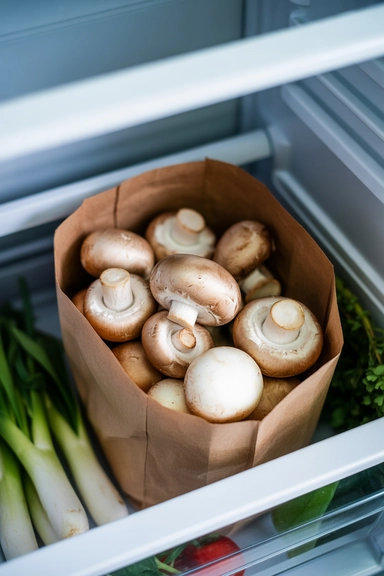
Mushrooms spoil quickly when trapped in plastic because moisture builds up and creates slimy surfaces. Storing mushrooms in paper bags or paper-lined containers allows excess moisture to escape while still preventing dehydration. This balance keeps mushrooms firm, fresh, and odor-free longer than standard packaging.
Paper storage also prevents mushrooms from transferring moisture to nearby produce. When kept in their own breathable zone, they retain texture and flavor without contaminating other foods. Over time, this simple adjustment reduces frequent mushroom waste and keeps produce drawers cleaner and better organized.
18- Rotate Produce Using First-In, First-Out
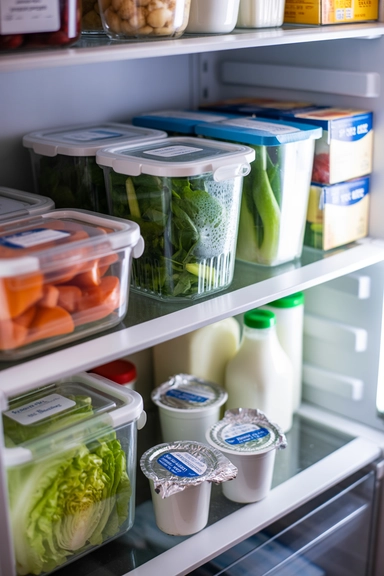
Buying fresh produce regularly often leads to older items hiding behind new arrivals. Using the first-in, first-out method keeps produce flowing in the right order. Older fruits and vegetables move to the front while new purchases are placed behind them. This ensures nothing gets forgotten until it decays unnoticed.
Rotation also stabilizes fridge organization. Shelves and drawers stop becoming random stacking zones because movement follows a consistent pattern. Over time, FIFO produce rotation lowers grocery waste, improves meal planning accuracy, and keeps your refrigerator running like a predictable storage system instead of a guessing game.
19- Store Tomatoes Outside the Fridge Until Ripe
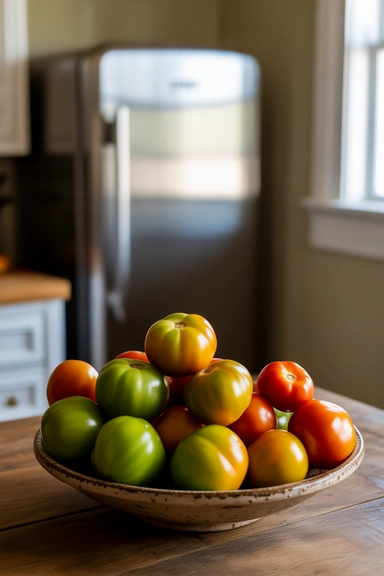
Tomatoes lose flavor and develop mealy texture when refrigerated too early. Keeping them at room temperature allows natural ripening and preserves taste. Once fully ripe, they can be moved to the fridge to slow further softening. This two-stage approach protects both texture and longevity.
Room-temperature tomato storage also prevents ethylene gas from affecting sensitive refrigerated produce. By separating ripening zones, you avoid premature spoilage in other fruits and vegetables. Over time, proper tomato handling improves flavor quality, reduces wasted produce, and maintains logical storage boundaries between countertop and fridge zones.
20- Use Shallow Containers to Prevent Produce Piling
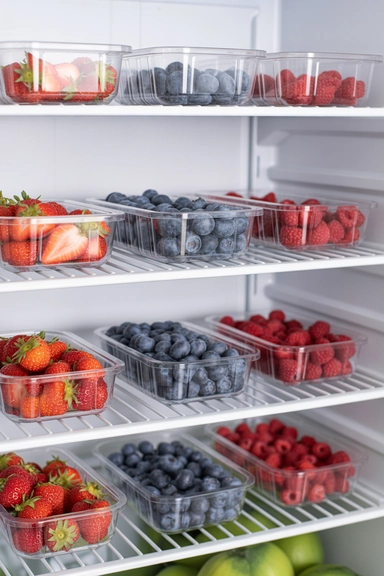
Deep containers encourage stacking, which crushes delicate fruits and hides early spoilage. Shallow produce containers spread items in single layers, improving airflow and visibility. When produce is arranged in one layer, bruising decreases and inspection becomes effortless.
Shallow storage also speeds up daily cooking. You immediately see what needs to be used, preventing forgotten items at the bottom of bins. Over time, shallow container systems reduce food loss, simplify restocking routines, and keep refrigerator produce areas consistently tidy.
21- Perform a Weekly Produce Reset
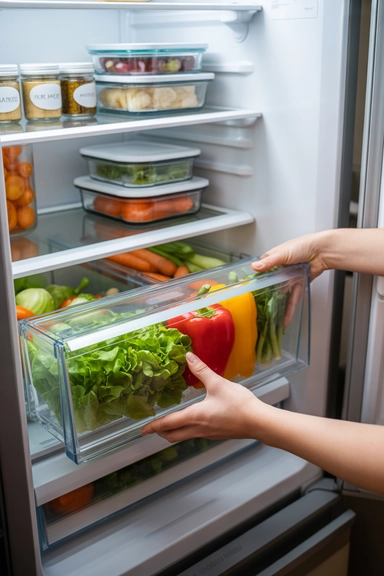
Even the best storage systems drift without routine correction. A weekly produce reset involves checking for soft items, wiping moisture, rotating older produce forward, and refreshing liners or mats. This short routine prevents one spoiled item from affecting others and keeps humidity conditions balanced.
Weekly resets also reinforce awareness of what you actually have. You stop overbuying duplicates and notice which fruits or vegetables need to be used soon. Over time, this habit keeps produce storage clean, reduces waste cycles, and maintains a stable, long-term organization system.
Conclusion
Fresh produce stays usable longer when storage respects airflow, moisture balance, visibility, and rotation. Small adjustments like breathable containers, controlled humidity tools, separation zones, and routine resets prevent most household produce waste. These fresh produce storage ideas are designed to work in everyday kitchens, not idealized spaces. When systems stay simple and repeatable, fruits and vegetables remain fresh, grocery spending drops, and fridge organization stays permanently reliable instead of temporarily neat.