
Introduction
Visual clutter in a bedroom rarely comes from excess belongings alone; it comes from poor placement and exposed storage. When too many items remain in sight, the room feels busy even when it is technically clean. Bedroom organizing ideas that focus on concealment, zoning, and surface control create instant calm without changing the room’s layout. By organizing with visual discipline, everyday items stay accessible while distractions disappear. This approach works especially well alongside broader strategies used in 27 Small Apartment Organizing Ideas for Smart Storage, where intentional storage choices support a quieter, more restorative environment.
1. Nightstands With Fully Enclosed Storage
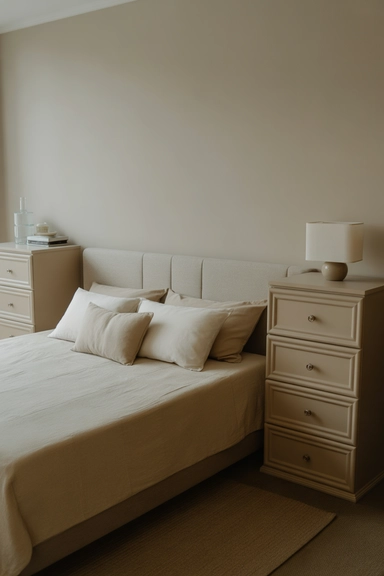
Open nightstands often become clutter magnets because everything placed on them remains visible. Enclosed nightstands solve this by keeping books, chargers, and personal items behind solid fronts. This instantly reduces visual noise around the bed, which is the most prominent focal point in the room. When surfaces remain clear, the bedroom feels calmer even if storage volume stays the same.
The most effective enclosed nightstands have shallow drawers that prevent overfilling. Soft-close mechanisms encourage regular use rather than piling items on top. When the nightstand finish matches the bed or wall color, it visually recedes, allowing the bed itself to anchor the room without surrounding distractions.
2. Bed Frames That Hide Storage Below the Sightline
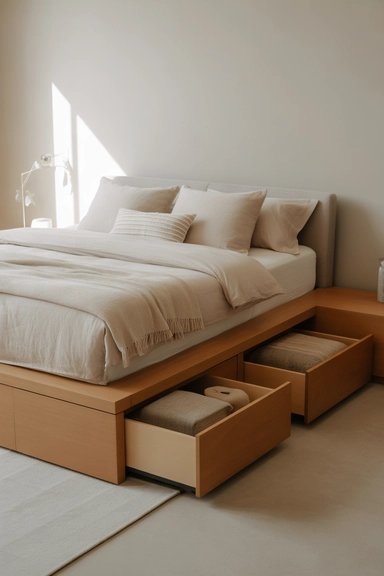
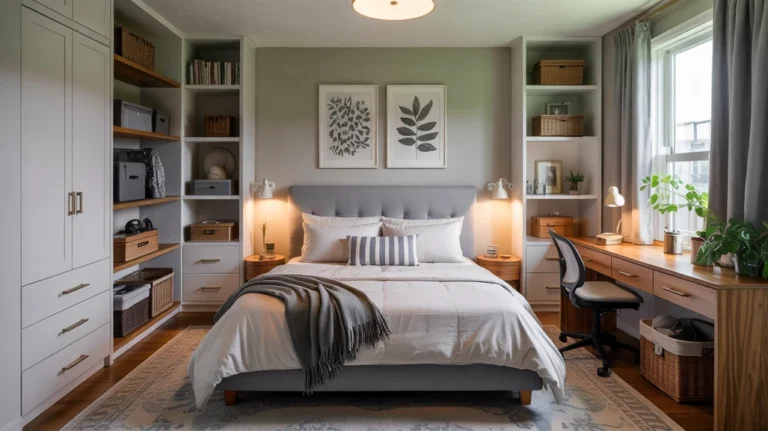
Beds occupy the largest visual footprint in a bedroom, making them ideal candidates for concealed storage. Bed frames with built-in drawers or enclosed bases keep bulky items completely out of sight while using space that would otherwise remain empty. These bedroom organizing ideas work especially well in small rooms where additional furniture would feel overwhelming.
The key is alignment. Drawer fronts should sit flush with the bed frame to avoid shadow lines that reveal storage. Neutral finishes and low-profile designs help the bed read as a single, cohesive structure. When executed properly, under-bed storage increases capacity without adding visual weight.
3. Wardrobes With Clean, Unbroken Fronts
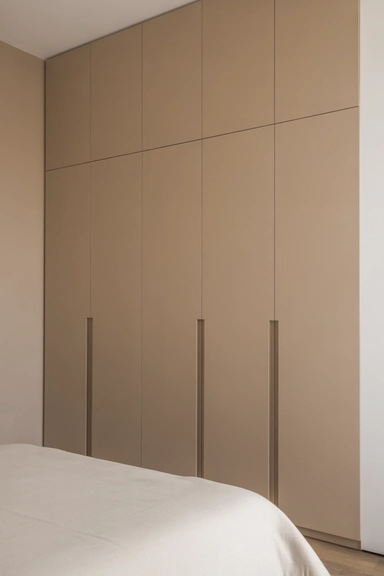
Wardrobes with multiple exposed sections often create visual fragmentation, even when organized. Clean-front wardrobes reduce clutter by presenting a single, uninterrupted surface. Sliding doors or flat-panel fronts keep clothing, accessories, and storage bins hidden from view, which immediately calms the room.
Interior organization becomes critical when exteriors stay minimal. Dividing clothing by category inside the wardrobe prevents overcrowding. This system works particularly well in bedrooms that double as work or dressing spaces, where visual order directly affects focus and relaxation.
4. Wall-Mounted Storage That Clears Floor Space
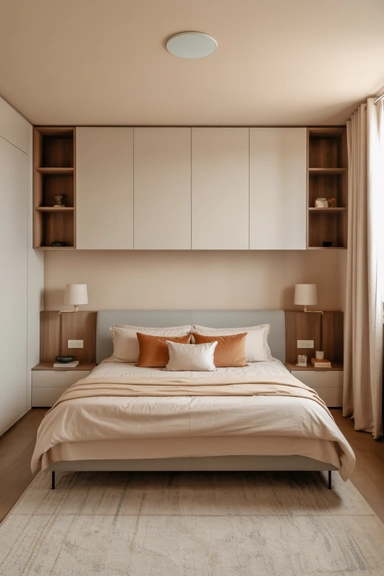
Floor clutter makes a bedroom feel smaller and more chaotic than it actually is. Wall-mounted storage lifts essentials off the floor, restoring open space and visual balance. Floating shelves with concealed compartments or wall-mounted cabinets work well for books, decor, or personal items that do not belong on surfaces.
Placement matters more than quantity. Storage should sit above eye level or align with existing architectural lines to avoid visual interruption. When wall-mounted elements match wall color or trim, they blend seamlessly, allowing the bedroom to feel lighter and more intentional.
5. Drawer Dividers That Prevent Visual Spillover
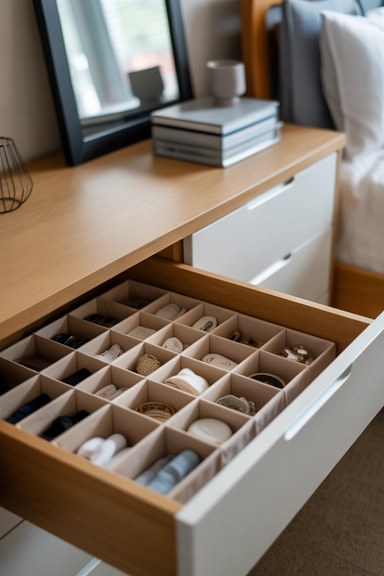
Mess inside drawers often leads to clutter outside them. When drawers become disorganized, items migrate to visible surfaces. Drawer dividers prevent this by assigning clear boundaries to small items such as accessories, sleepwear, or electronics. This internal order supports external calm.
Dividers should fit the drawer precisely to avoid wasted space. Adjustable systems allow layouts to evolve without chaos. When drawers close easily and contents remain contained, daily routines stay streamlined, reducing the urge to leave items out in the open.
6. Headboards That Absorb Bedside Clutter
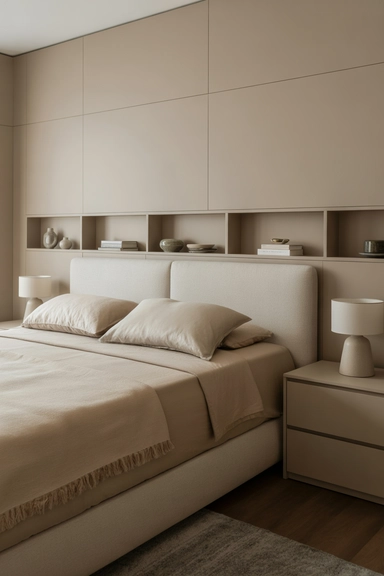
Traditional headboards serve only a decorative role, but integrated headboards can quietly absorb bedside clutter. Storage headboards with concealed compartments keep books, glasses, or devices out of sight while eliminating the need for extra furniture. These bedroom organizing ideas are especially useful in compact rooms.
The best designs hide access points behind panels or top ledges to preserve a clean appearance. When the headboard finish matches the wall or bedding tones, it visually dissolves into the background, allowing the bed area to remain calm and uncluttered.
7. Closet Layouts That Separate Visible and Hidden Zones

Closets often fail visually because everything is treated equally. When daily-use items and long-term storage share the same visual plane, clutter becomes unavoidable. Bedroom organizing ideas that separate visible zones from hidden ones restore balance quickly. Everyday clothing stays accessible at eye level, while seasonal or rarely used items move to concealed drawers or upper sections.
This layered approach prevents overcrowding where it matters most. When only current-use items remain visible, the closet feels lighter and easier to maintain. It aligns well with broader systems used in 21 Closet Decluttering Hacks for a More Organized Space, where zoning plays a critical role in long-term order.
8. Closed Storage for Clothing That Doesn’t Need Display
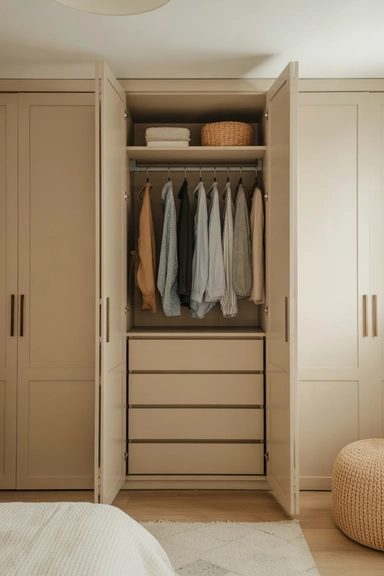
Not every item benefits from being seen. Clothing stored on open racks often adds visual noise, even when neatly arranged. Closed storage keeps non-essential garments out of sight, reducing distraction and making the bedroom feel calmer. This is especially effective for loungewear, workout clothes, or off-season pieces.
Cabinets, drawers, or wardrobes with solid fronts work best when finishes match surrounding elements. When storage blends into walls or furniture, it stops competing for attention. The result is a bedroom that feels intentional rather than overfilled, even with the same amount of clothing.
9. Surface Control to Keep Dressers Visually Quiet
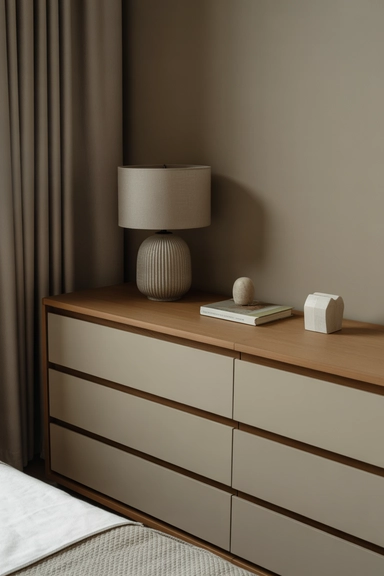
Dressers tend to accumulate small items that disrupt visual order. Bedroom organizing ideas that focus on surface control prevent this buildup before it starts. Limiting dresser tops to one or two functional items keeps the eye from bouncing between objects, which reduces perceived clutter immediately.
Storage trays inside drawers help relocate frequently used items out of sight. When surfaces remain mostly clear, the room feels calmer and easier to reset each day. This approach improves both aesthetics and daily routines without requiring additional furniture.
10. Lighting Choices That Reduce Visual Distraction
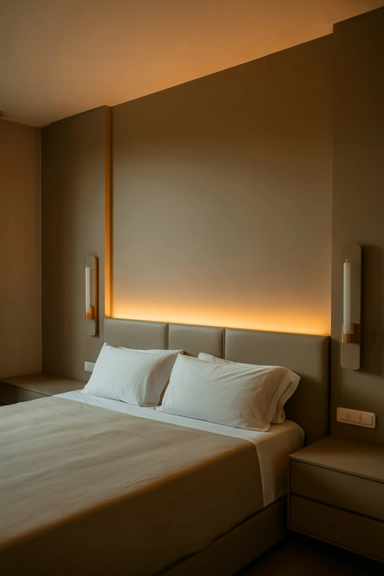
Lighting influences how clutter is perceived. Harsh or poorly placed lighting exaggerates visual noise by casting strong shadows and highlighting every object. Softer, layered lighting reduces contrast, allowing the room to feel calmer even before organization changes take effect.
Wall-mounted lights or integrated headboard lighting free up surface space while improving ambiance. When lighting serves both function and atmosphere, it supports organizing efforts by reducing the need for additional lamps or accessories that clutter surfaces.
11. Vertical Storage That Draws the Eye Upward
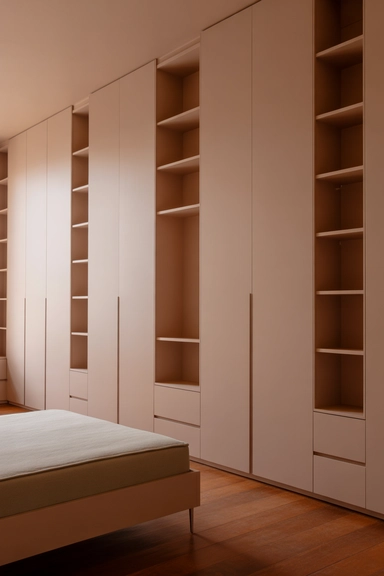
Horizontal clutter dominates visual space, while vertical storage shifts attention upward. Tall wardrobes, shelving that reaches the ceiling, or wall-mounted cabinets reduce the concentration of items at eye level. This instantly makes the bedroom feel more open and less crowded.
The key is visual continuity. Vertical elements should align with existing architectural lines to avoid fragmentation. When finishes match walls or trim, tall storage reads as part of the structure rather than added furniture, reinforcing a sense of calm.
12. Concealed Bins for Everyday Bedroom Essentials
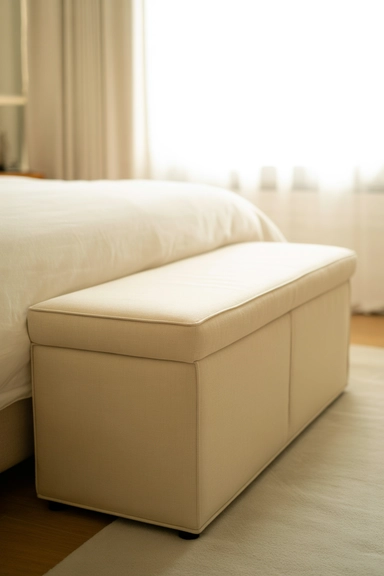
Daily-use items like throws, pillows, or sleep accessories often end up visible by default. Concealed bins provide a quick way to hide these items without disrupting routines. Bedroom organizing ideas that rely on hidden containers work especially well when placed near the bed or seating areas.
Bins should fit fully inside furniture or storage zones to avoid partial exposure. Neutral materials help them disappear visually. When everyday items have a designated hidden home, surfaces stay clear and the bedroom feels consistently calm.
13. Symmetrical Storage That Brings Visual Balance
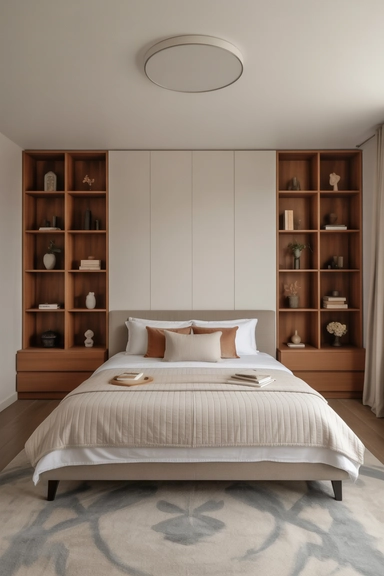
Visual clutter often feels worse when storage is unevenly distributed. Symmetry brings order instantly, even before decluttering begins. Bedroom organizing ideas that mirror storage on both sides of the room—such as matching nightstands, wardrobes, or shelving—create a sense of calm through balance. When the eye reads symmetry, the space feels more intentional and less chaotic.
This works especially well around the bed, which anchors the room visually. Matching storage elements prevent one side from feeling heavier than the other. Even small adjustments, such as aligning drawer heights or shelf spacing, can significantly reduce visual tension and make the bedroom feel more settled.
14. Hidden Storage Behind Decorative Panels or Artwork
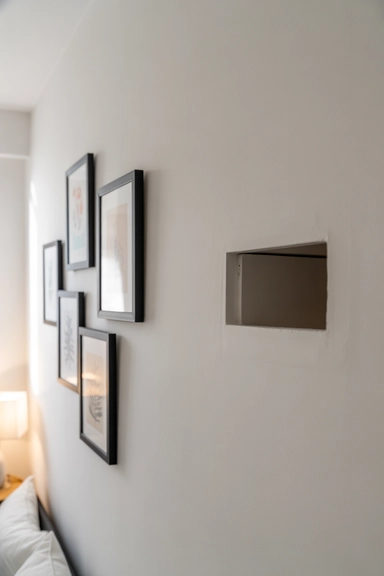
Decorative panels and wall art can quietly double as storage access points. Hinged artwork or panel systems conceal shallow compartments behind them, keeping personal items completely out of sight. These bedroom organizing ideas allow storage to exist without introducing additional furniture or visible containers.
The key is scale and placement. Artwork should appear naturally positioned rather than oversized or oddly aligned. When panels sit flush and finishes match surrounding walls, the storage remains undetectable. This approach works well in bedrooms where maintaining a calm, uncluttered wall surface is essential.
15. Furniture With Legs That Reveal Floor Space
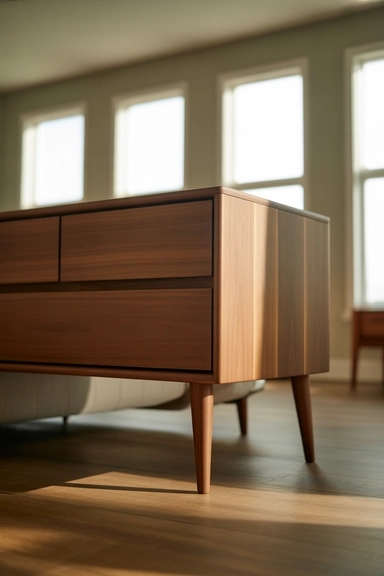
Heavy furniture that sits directly on the floor compresses visual space. Furniture with visible legs lifts storage slightly, allowing the floor to remain visible beneath it. This creates the illusion of more space and reduces visual density, even when storage capacity stays the same.
Dressers, nightstands, and benches with elevated bases feel lighter and more intentional. When paired with concealed drawers or compartments, these bedroom organizing ideas improve both function and perception. The room feels easier to breathe in, even without reducing belongings.
16. Curtains and Panels That Hide Storage Zones
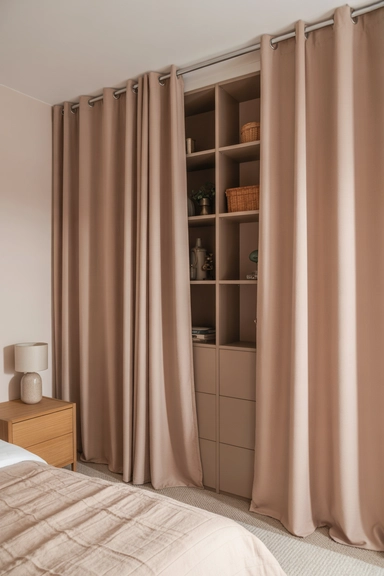
Storage does not always need rigid doors. Curtains or fabric panels can hide shelves, wardrobes, or storage walls while maintaining softness in the bedroom. These bedroom organizing ideas are particularly useful in rental spaces or rooms with unconventional layouts.
Choosing fabrics that match wall or bedding tones keeps the concealment subtle. Panels should hang cleanly without excess folds to avoid visual clutter of their own. When closed, they create a smooth surface that calms the room; when open, they provide full access without adding visual bulk.
17. Bedside Zones With Defined Storage Limits
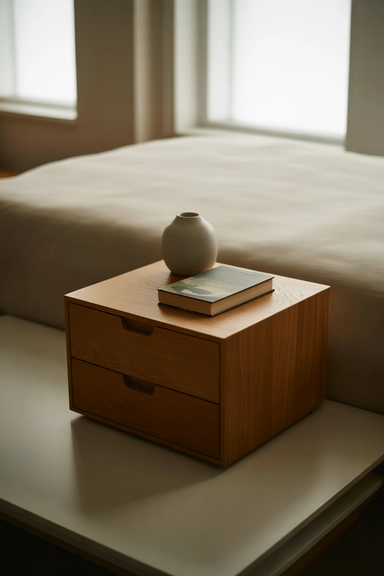
Clutter often accumulates when storage has no boundaries. Defining strict storage limits for bedside zones prevents overflow before it starts. Bedroom organizing ideas that assign specific capacity to nightstands or headboards keep surfaces under control.
When storage reaches capacity, it signals the need to reassess rather than pile items externally. This creates a natural maintenance system. Clearly defined bedside storage supports better sleep by keeping distractions away from the immediate resting area.
18. Storage That Aligns With Wall Planes
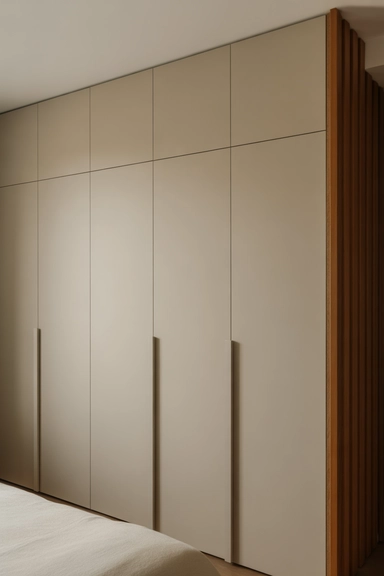
Storage that protrudes at irregular depths disrupts visual flow. Aligning storage fronts with wall planes keeps surfaces clean and uninterrupted. Built-in wardrobes or recessed cabinets that sit flush with walls reduce shadows and visual breaks.
This approach works especially well in small bedrooms where every projection feels amplified. When storage reads as part of the wall rather than an object placed against it, the room feels calmer and more spacious without losing functionality.
19. Multi-Function Furniture That Eliminates Extra Pieces
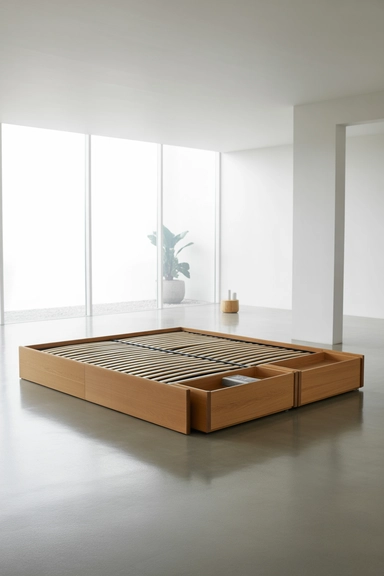
Bedrooms feel cluttered when too many furniture pieces compete for space. Multi-function furniture reduces this by combining storage and use into a single element. Beds with integrated drawers, benches with internal compartments, or desks that double as vanities remove the need for additional units.
The key is clarity of function. Each piece should solve more than one problem without introducing complexity. When furniture replaces rather than adds, visual clutter drops instantly. This approach is especially effective in small bedrooms where every item must justify its presence.
20. Open Shelving Used With Strict Visual Limits
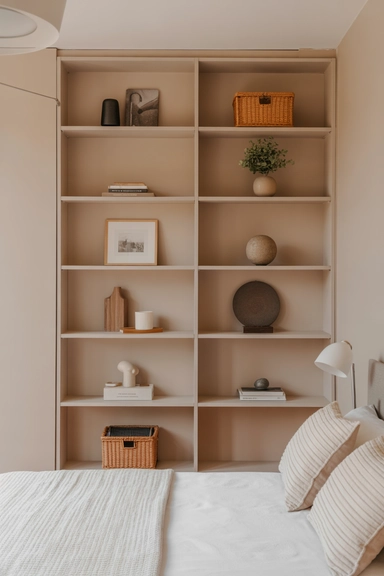
Open shelving can quickly become chaotic if left uncontrolled. When used intentionally, however, it can support organization without overwhelming the room. Bedroom organizing ideas that apply strict limits to open shelving keep visual noise in check while still allowing personal expression.
Limiting shelves to a few carefully chosen items prevents overcrowding. Neutral objects and consistent spacing help the shelves feel calm rather than busy. When open shelving is treated as a display zone rather than storage, it enhances the room instead of cluttering it.
21. Color-Controlled Storage That Blends Into the Room
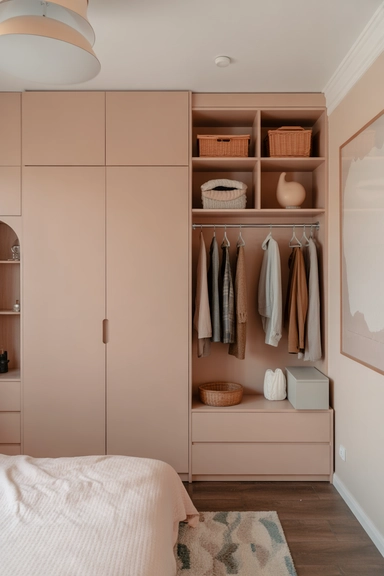
Color plays a major role in how clutter is perceived. Storage that contrasts sharply with walls or furniture draws attention, even when organized. Bedroom organizing ideas that use color-controlled storage reduce visual interruption by blending storage into the surrounding palette.
Matching storage finishes to walls, bedding, or flooring allows storage to recede visually. This technique works particularly well with wardrobes, cabinets, and large furniture pieces. When storage fades into the background, the bedroom feels calmer without removing a single item.
22. Hidden Storage for Items Used Only at Night
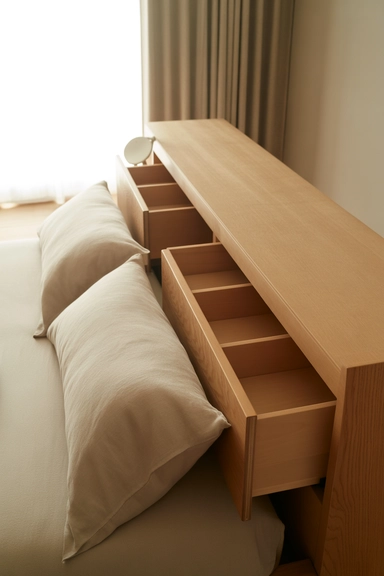
Nighttime items such as eye masks, chargers, books, or medication often linger in sight during the day. Providing hidden storage specifically for these items prevents daytime clutter. Drawers, concealed headboard compartments, or closed nightstands work best for this purpose.
Keeping nighttime essentials out of view during the day helps the bedroom transition between active and rest modes. This separation reinforces a calmer daytime environment while preserving convenience when items are needed again.
23. Daily Reset Zones That Prevent Clutter From Returning
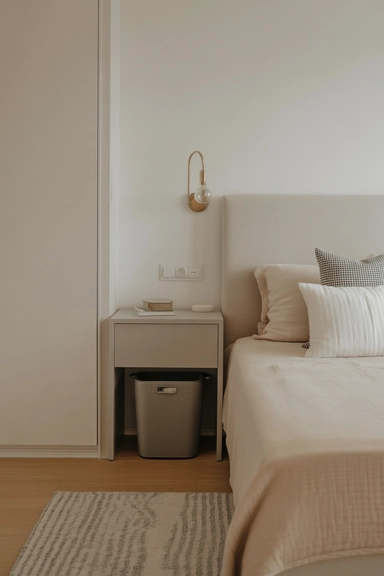
Even the best organization fails without a reset point. Daily reset zones provide a simple place to return items to at the end of the day. Bedroom organizing ideas that include a defined reset area prevent clutter from spreading across surfaces.
This might be a single drawer, a concealed bin, or a closed shelf near the entry. When reset zones are easy to access and visually hidden, they support long-term order without constant effort.
Conclusion
Reducing visual clutter in a bedroom is less about removing belongings and more about controlling what stays in sight. Bedroom organizing ideas that prioritize concealment, balance, and surface discipline create instant calm without changing the room’s layout. By aligning storage with architecture, limiting visual exposure, and assigning clear boundaries, the bedroom becomes easier to maintain and more restorative. When organization supports how the space is used daily, visual clutter stops returning, and calm becomes the default state.