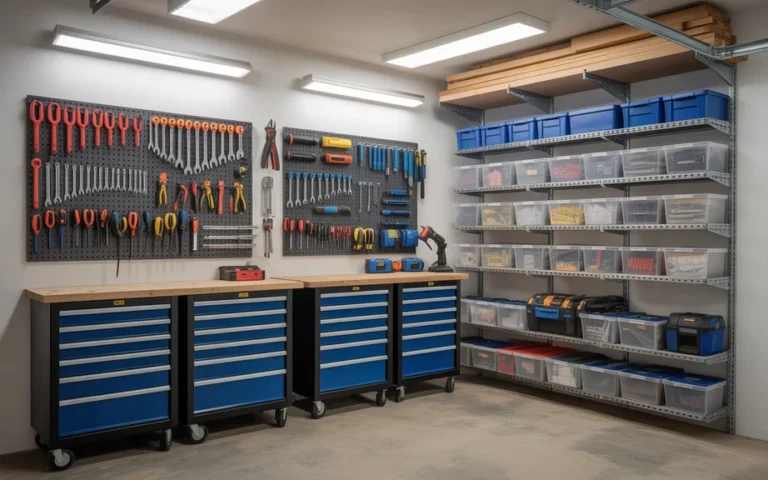

Whiteboards are powerful tools for organizing tasks, planning projects, and keeping ideas visible throughout the day. When used creatively, they can transform cluttered thoughts into clear, actionable systems for both home and office spaces. From daily planning grids to visual progress trackers, whiteboard organization helps improve focus and productivity. These ideas work especially well alongside genius clutter-busting hacks to organize your home, allowing you to pair visual planning with practical storage systems for a cleaner, more efficient environment.
Goal Tracking Chart
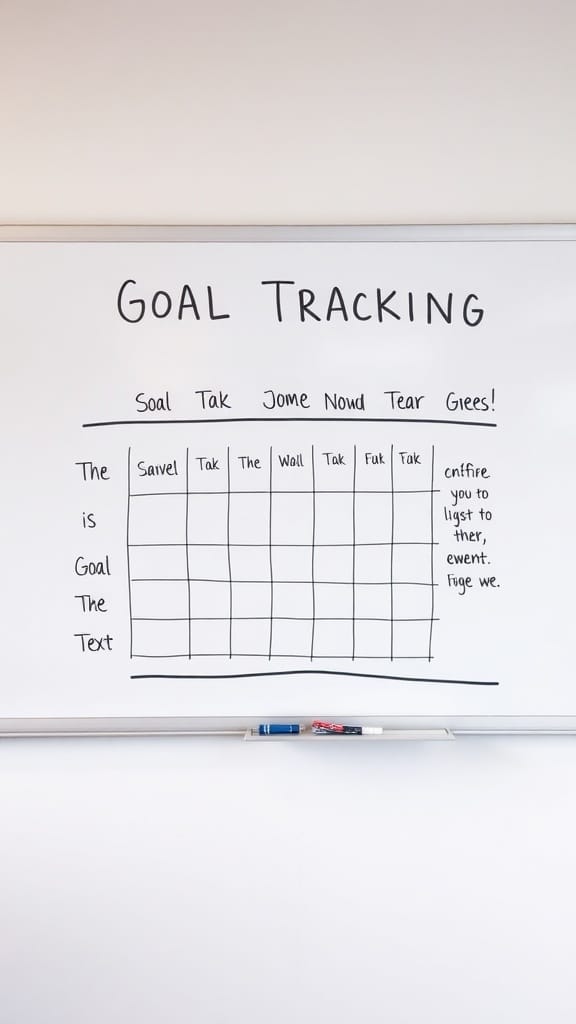
A goal tracking chart is a simple yet effective tool for keeping your objectives in sight. The image shows a whiteboard with a clear layout designed for tracking progress. Each section is labeled, making it easy to fill in details about your goals.
The chart has spaces for various elements like the goal itself, the steps to achieve it, and a timeline. This structure helps you visualize what you need to do and when. You can easily update it as you make progress, keeping motivation high.
Using a goal tracking chart can turn vague aspirations into concrete plans. It’s a fun way to stay organized and focused. Plus, seeing your achievements on the board can give you a nice boost!
Project Timeline Visualization
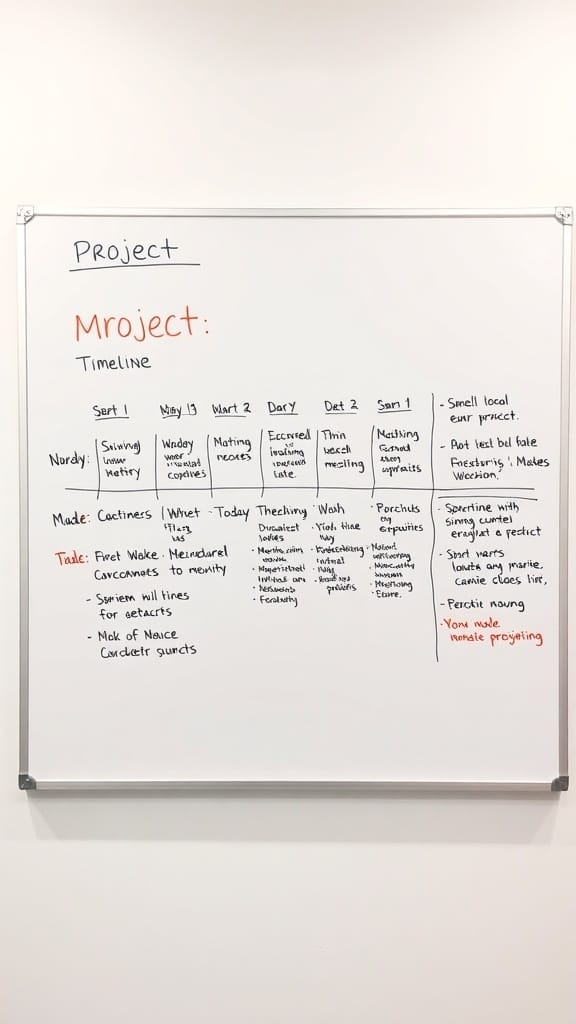
Using a whiteboard to visualize your project timeline can be a game changer. It keeps everything in one place and makes it easy to see what needs to be done and when. In the image, you can see a clear layout of tasks and dates, which helps everyone stay on the same page.
The timeline is divided into specific days, showing tasks that need to be completed. This makes it simple to track progress and adjust plans as needed. Each task is labeled with a brief description, making it easy to understand what’s involved.
Color coding can also be a fun way to highlight different phases or types of tasks. For example, using one color for urgent tasks and another for ongoing work can help prioritize effectively. This visual approach not only aids in organization but also boosts team collaboration.
Weekly Planning Grid
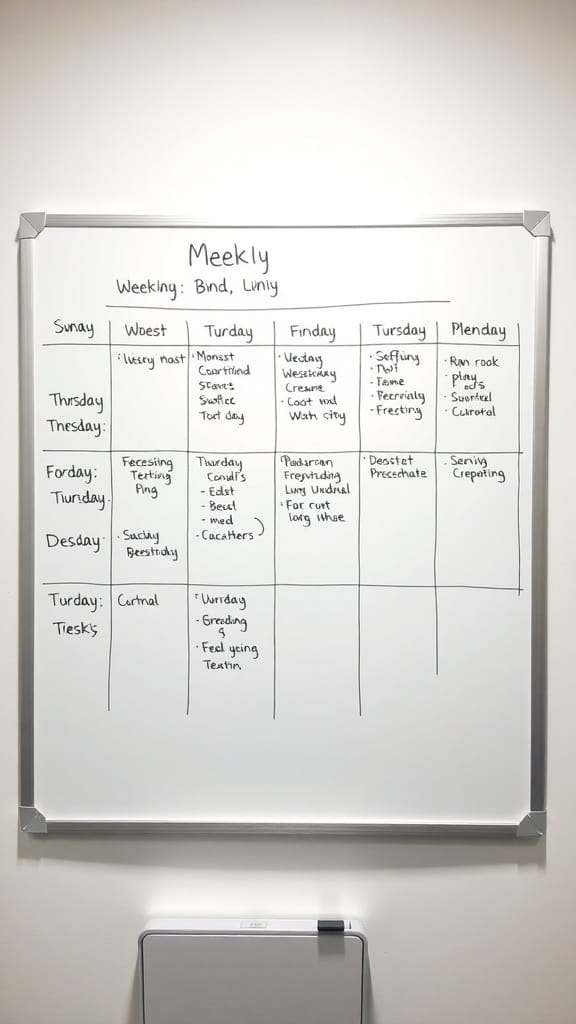
A weekly planning grid is a fantastic way to stay organized and keep track of your tasks. This grid helps you visualize your week at a glance. You can see what needs to be done each day and prioritize your activities.
The image shows a whiteboard with a clear layout for each day of the week. Each day has designated spaces for tasks, making it easy to jot down what you need to accomplish. This format encourages you to break down your week into manageable pieces.
Using a weekly planning grid can reduce stress and improve productivity. You can easily adjust your plans if something comes up. Plus, writing things down helps reinforce your memory. It’s a simple yet effective tool for anyone looking to enhance their organization skills.
Meeting Notes and Action Items
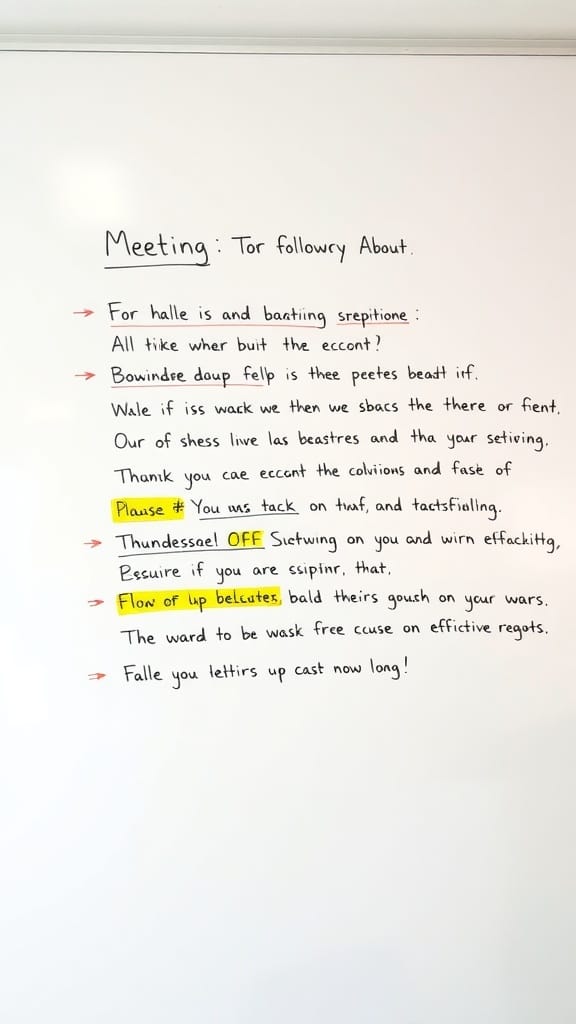
Using a whiteboard for meeting notes is a great way to keep everyone on the same page. The image shows a whiteboard filled with notes from a meeting. It captures the essence of brainstorming and collaboration.
The notes are written in a casual style, making it easy to follow along. Key points are highlighted, which helps to emphasize important action items. This approach keeps the team focused on what needs to be done.
Organizing notes this way allows for quick reference later. You can easily see what was discussed and what actions need to be taken. It’s a visual reminder that can spark further discussion and creativity.
Consider using different colors for different topics or action items. This can make your notes even more engaging and easier to navigate. Overall, a well-organized whiteboard can enhance productivity and ensure that everyone is aligned.
Inspiration Board
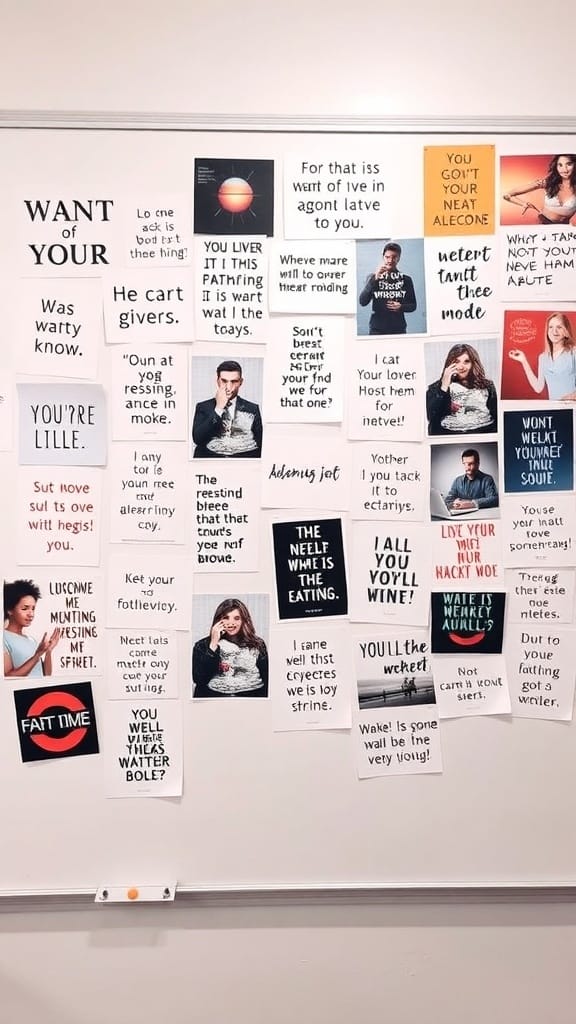
Creating an inspiration board on your whiteboard can be a fun and creative way to keep your ideas organized. The image shows a vibrant collection of notes, quotes, and visuals that spark motivation and creativity.
Each piece of paper is filled with different messages and images, making it visually appealing. This board serves as a reminder of your goals and aspirations. It’s a great way to keep your thoughts in one place and inspire you daily.
Using a mix of colors and fonts can add a playful touch to your board. You can include personal quotes, images that resonate with you, or even reminders of tasks you want to accomplish. This not only keeps you organized but also makes your workspace more inviting.
Don’t hesitate to change things up! As your ideas evolve, feel free to swap out old notes for new ones. This keeps your inspiration fresh and relevant. An inspiration board can truly reflect your personality and goals.
Color-Coded Task Management
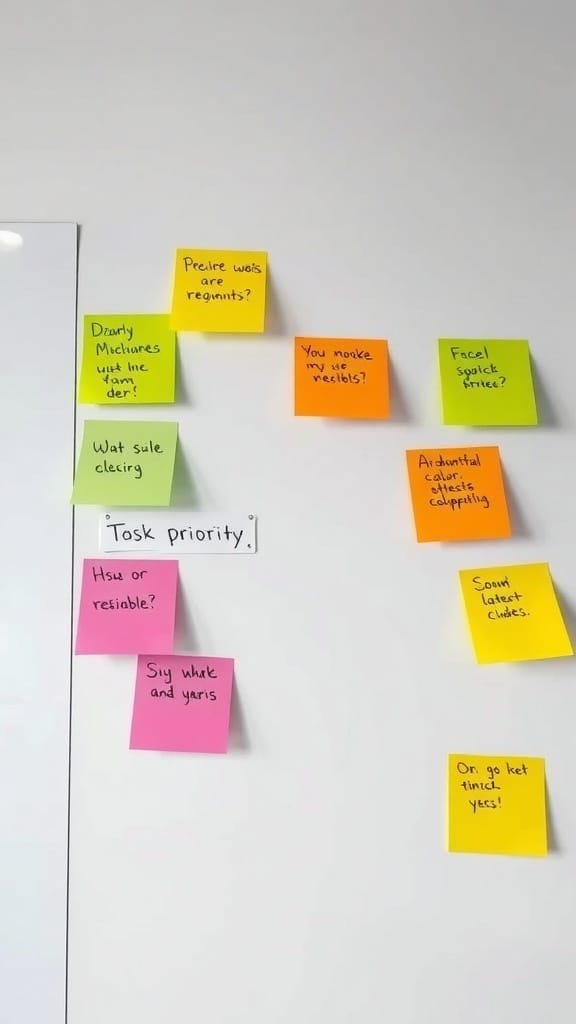
Using color-coded sticky notes is a fun and effective way to manage tasks. In the image, you can see a whiteboard filled with vibrant sticky notes. Each color represents a different category or priority level, making it easy to spot what needs attention.
The bright colors draw your eye and help you quickly identify tasks. For example, urgent tasks might be in red, while less pressing ones could be in yellow or green. This visual organization keeps everything clear and manageable.
On the board, phrases like ‘Task priority’ stand out, guiding you on what to focus on first. This method not only keeps you organized but also adds a splash of creativity to your workspace.
By using sticky notes, you can easily rearrange tasks as priorities shift. If something becomes more urgent, just move that note to a more prominent spot. This flexibility is key to staying on top of your workload.
Brainstorming Mind Map
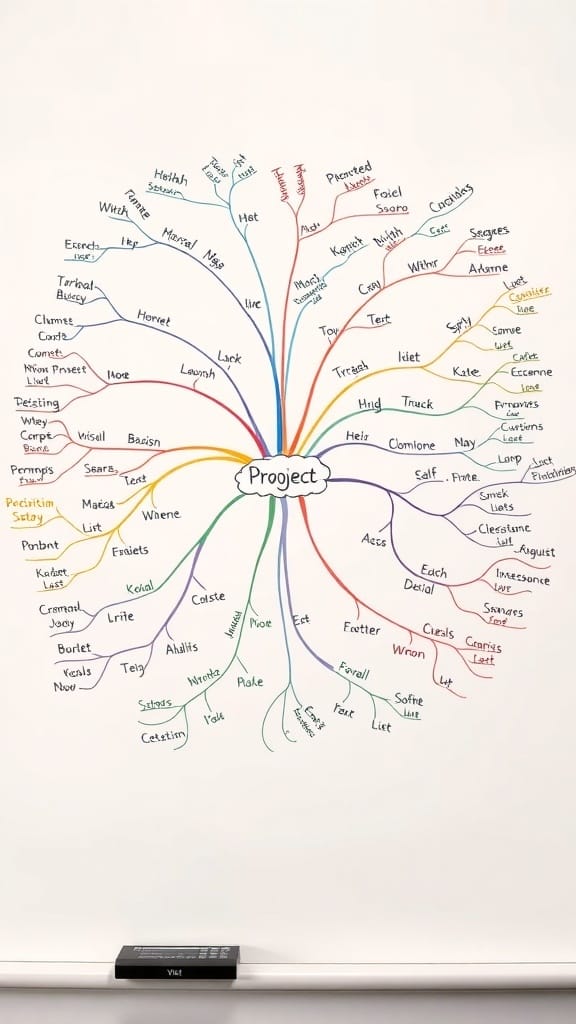
A mind map is a fun and effective way to brainstorm ideas. The image shows a colorful mind map centered around the word ‘Project.’ Each branch represents different aspects or tasks related to the project.
This visual tool helps in organizing thoughts clearly. You can see how ideas connect and flow from one to another. It’s a great way to capture your thoughts without feeling overwhelmed.
Using different colors for each branch makes it easier to differentiate between topics. This can help you stay focused and organized as you plan your project. You can add notes, tasks, or questions along each branch to keep everything in one place.
Mind mapping is perfect for group brainstorming sessions too. Everyone can contribute ideas, and you can visually see how they fit together. It encourages creativity and collaboration, making it a great tool for any team.
Daily To-Do List
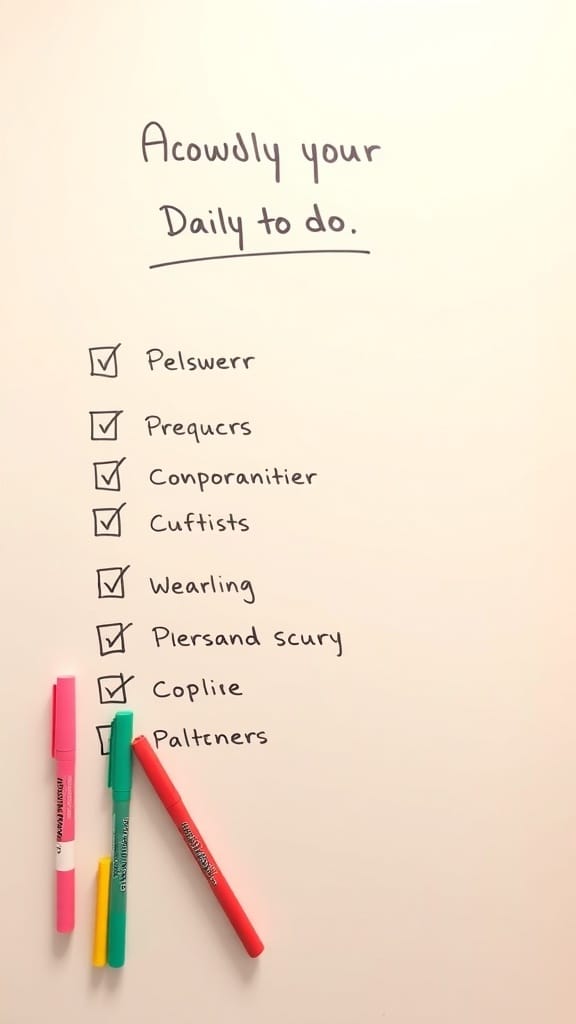
A daily to-do list is a simple yet effective way to keep track of tasks. This image shows a whiteboard filled with a list of items that need to be accomplished. The list is organized and easy to read, making it a great tool for staying on top of daily responsibilities.
The title at the top, ‘Acowdly your Daily to do,’ sets a friendly tone. It encourages a casual approach to managing tasks. Each item on the list is checked off, giving a sense of accomplishment as you complete them. This visual representation helps in prioritizing what needs to be done.
The use of colorful markers adds a fun element to the list. Different colors can help categorize tasks or simply make the list more visually appealing. This can motivate you to engage with your daily tasks more actively.
Having a dedicated space for your to-do list, like a whiteboard, allows for easy updates. You can add or remove tasks as needed without the hassle of paper. Plus, it’s a great way to keep your goals visible and fresh in your mind.
Monthly Calendar Overview
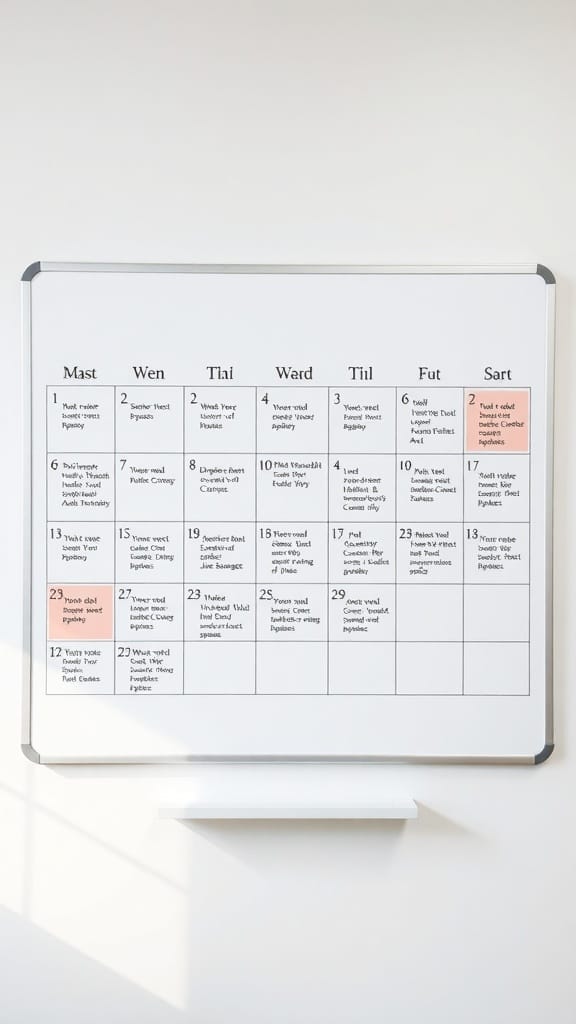
A monthly calendar on a whiteboard can be a game changer for staying organized. This visual tool allows you to see your entire month at a glance, making it easier to plan your days.
In the image, you can spot a neatly arranged calendar with days of the week clearly labeled. Each day has space for notes or tasks, which helps keep everything in one place. The use of color coding can also highlight important events or deadlines.
Writing on a whiteboard is not only practical but also fun. You can easily erase and update your plans as needed. This flexibility is perfect for busy lives where schedules can change quickly.
For those looking to enhance their organization skills, a monthly calendar on a whiteboard is a simple yet effective solution. It encourages you to visualize your commitments and manage your time better.
Team Collaboration Space
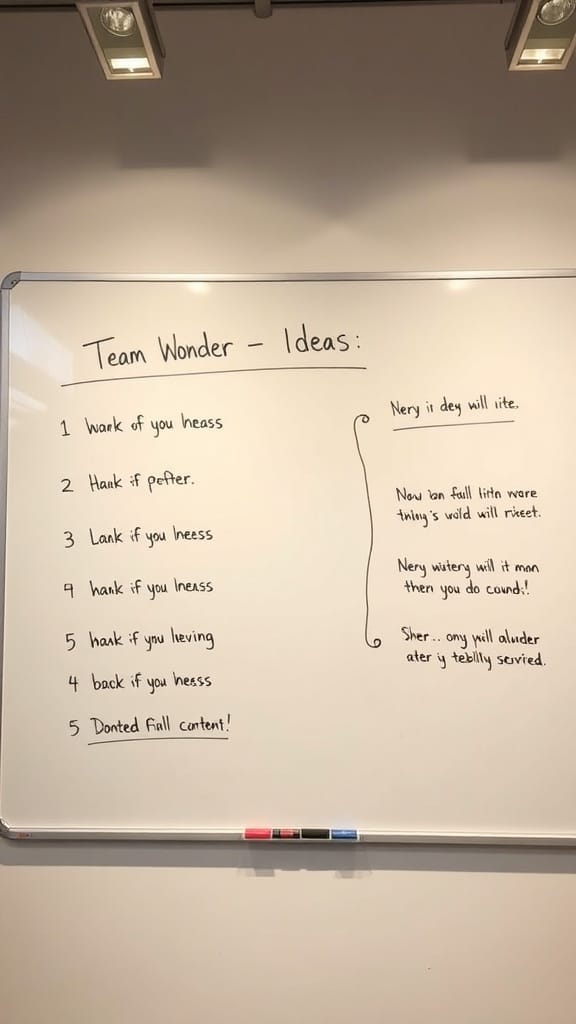
Creating a team collaboration space is essential for boosting creativity and communication. A whiteboard can be a fantastic tool for this. It allows team members to jot down ideas, brainstorm, and visualize concepts together.
The image shows a whiteboard labeled ‘Team Wonder – Ideas.’ It features a list of prompts that encourage team members to share their thoughts. This approach makes everyone feel involved and valued.
Using a whiteboard helps keep ideas organized and accessible. You can easily add or erase content as discussions evolve. This flexibility is key to maintaining an engaging environment.
Encourage your team to use the whiteboard regularly. It can become a central hub for collaboration, making meetings more productive and fun. Remember, the goal is to create a space where everyone feels comfortable sharing their ideas.
Learning Goals and Progress
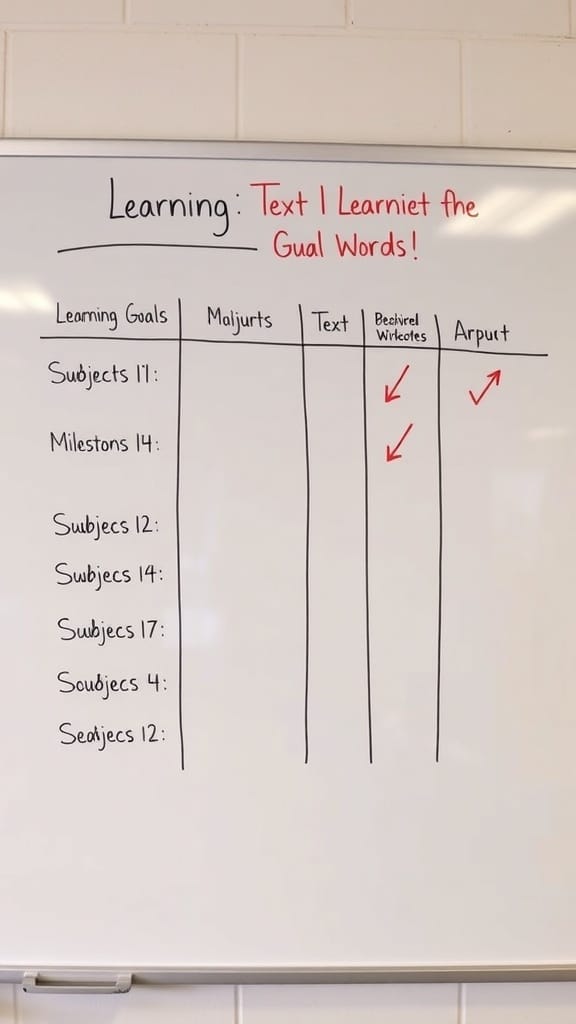
Using a whiteboard for tracking learning goals is a great way to stay organized. In the image, we see a clear layout that helps students and teachers keep tabs on various subjects and milestones.
The whiteboard lists learning goals in a simple table format. Each row represents a different subject, making it easy to see what needs attention. The use of checkmarks indicates progress, which can motivate students to stay on track.
Having a visual representation of goals can make learning feel more achievable. It breaks down larger tasks into smaller, manageable pieces. This method encourages students to focus on what they need to accomplish.
Overall, this approach to whiteboard organization can enhance the learning experience. It fosters accountability and helps everyone involved understand the path to success.
Event Planning Checklist
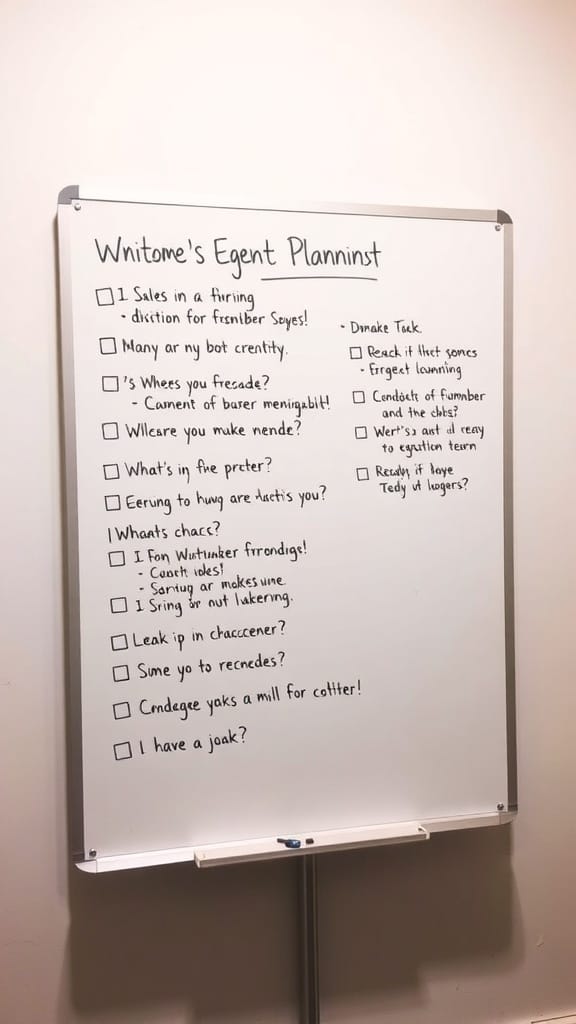
Planning an event can feel overwhelming, but a whiteboard checklist can make it easier. This image shows a whiteboard filled with various tasks and questions to consider while organizing an event. Each item is written in a casual style, making it approachable and fun.
The checklist includes questions like ‘What’s in fine preter?’ and ‘Sime yo to recendes?’ These quirky phrases add a light-hearted touch to the planning process. It’s clear that the person using this board is trying to keep things organized while also having a bit of fun.
Using a whiteboard for your event planning checklist allows for easy adjustments. You can erase and rewrite tasks as needed. This flexibility is perfect for those moments when plans change or new ideas pop up. Plus, seeing everything laid out visually can help you stay on track and feel more in control.
Don’t forget to include essential tasks like booking venues, sending invites, and coordinating with vendors. A checklist like this can help ensure nothing slips through the cracks. So grab a whiteboard, jot down your ideas, and let the planning begin!
Habit Tracker
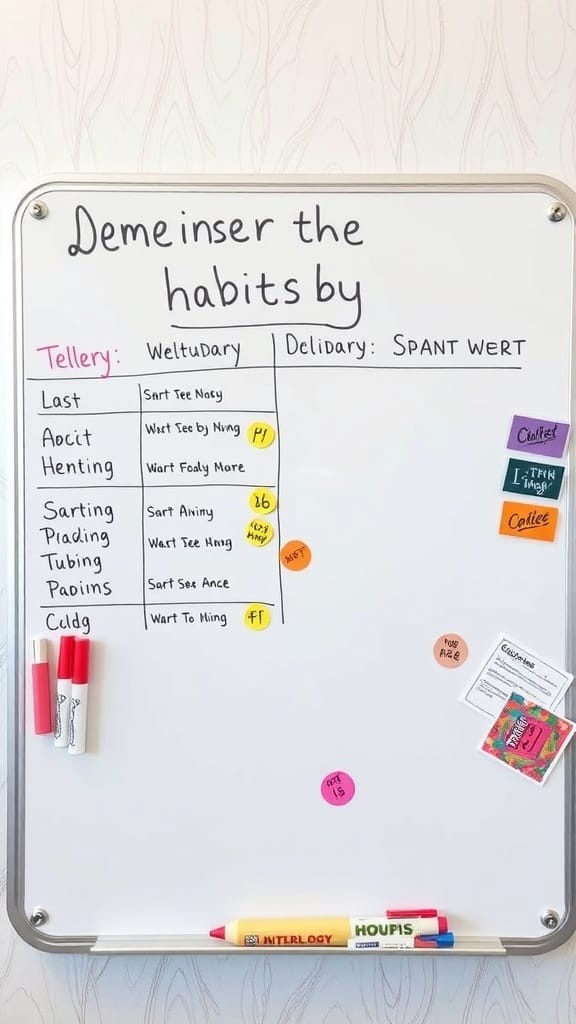
A habit tracker is a fun and effective way to keep tabs on your daily routines. The image shows a whiteboard filled with colorful markers and sticky notes, creating a vibrant space for tracking habits.
The board is organized into sections, making it easy to see what habits you want to focus on. Each row lists a different habit, along with a space to mark your progress. This setup encourages you to stay consistent and motivated.
Using a whiteboard for your habit tracker allows for quick updates. You can easily erase and rewrite as needed, which keeps things fresh and engaging. Plus, the colorful markers add a personal touch, making the process more enjoyable.
Consider adding different colors for various habits or using symbols to represent your progress. This visual aspect can make tracking habits feel less like a chore and more like a creative project.
Feedback and Suggestions Board
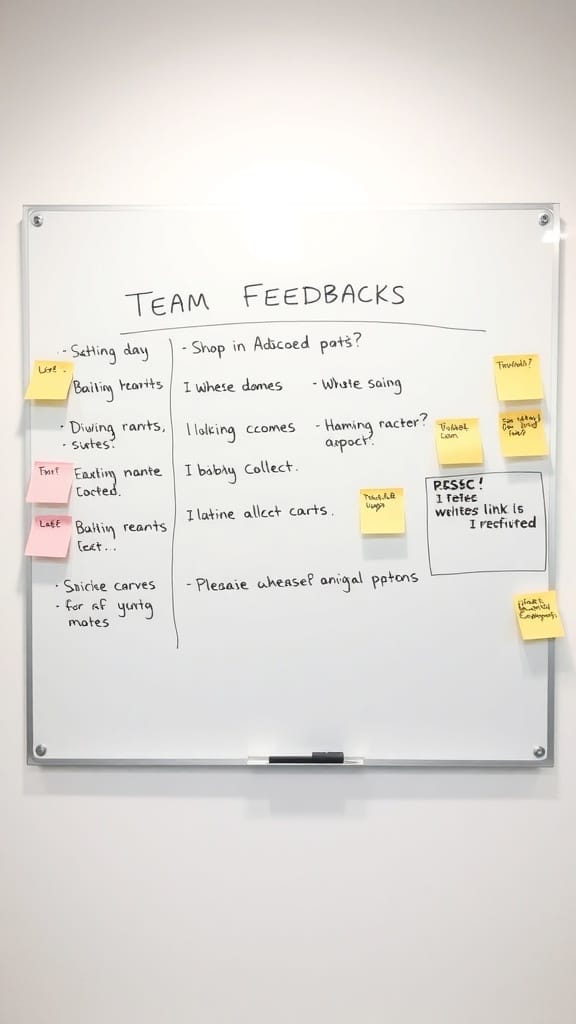
A feedback and suggestions board is a great way to gather thoughts from your team. It encourages open communication and helps everyone feel involved. In the image, you can see a whiteboard filled with colorful sticky notes. Each note represents a different piece of feedback or suggestion.
The board is organized into sections, making it easy to read and understand. The title ‘Team Feedbacks’ is clear and sets the tone for collaboration. Notes are written in a casual style, which makes it approachable. This informal vibe can help team members feel more comfortable sharing their ideas.
Using different colors for sticky notes can help categorize feedback. For example, you might use one color for suggestions and another for concerns. This visual organization makes it easier to prioritize what needs attention. It’s also a fun way to make the process interactive!
Encouraging team members to contribute regularly keeps the board fresh and relevant. It can be a simple way to improve processes and boost morale. Plus, it shows that everyone’s opinion matters. So, grab some sticky notes and start your own feedback board!
Resource and Reference Area
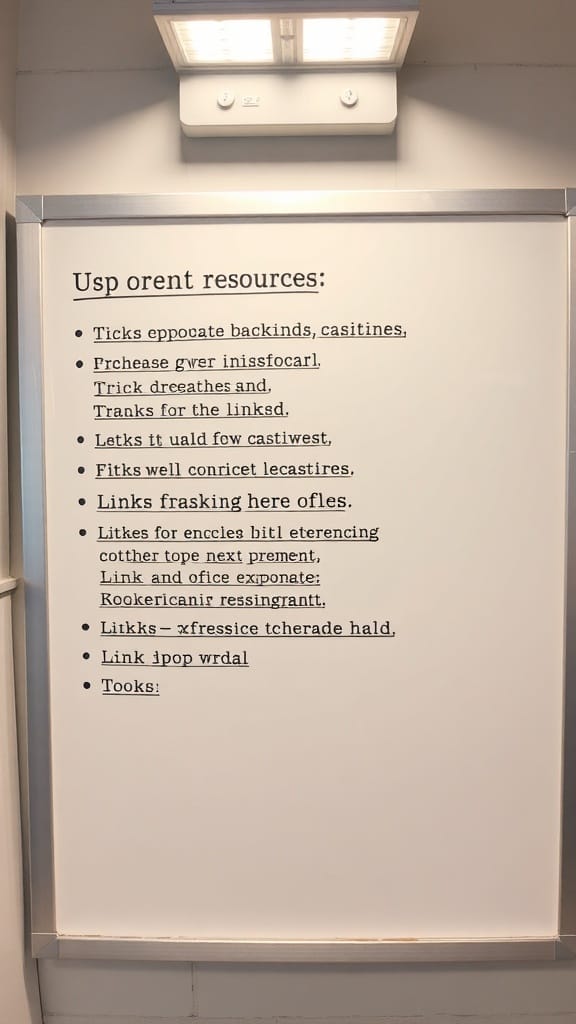
Creating a resource and reference area on your whiteboard can be a game changer for organization. This space can serve as a hub for important links, tips, and tools that you or your team frequently use.
The image shows a whiteboard filled with various resources, albeit with some unclear text. This highlights the importance of clarity when organizing information. Make sure your notes are easy to read and understand. Use bullet points for quick reference and keep the content relevant.
Consider categorizing your resources. You might have sections for links, tips, and tools, just like the example. This way, anyone looking at the board can quickly find what they need without sifting through a jumble of information.
Another idea is to use color coding. Different colors can represent different categories or urgency levels. This visual cue can help you and your team prioritize tasks and resources effectively.
Incorporating a section for frequently asked questions can also be beneficial. This can save time and ensure everyone is on the same page. Remember, the goal is to make this area as user-friendly as possible.
Creative Doodle Zone
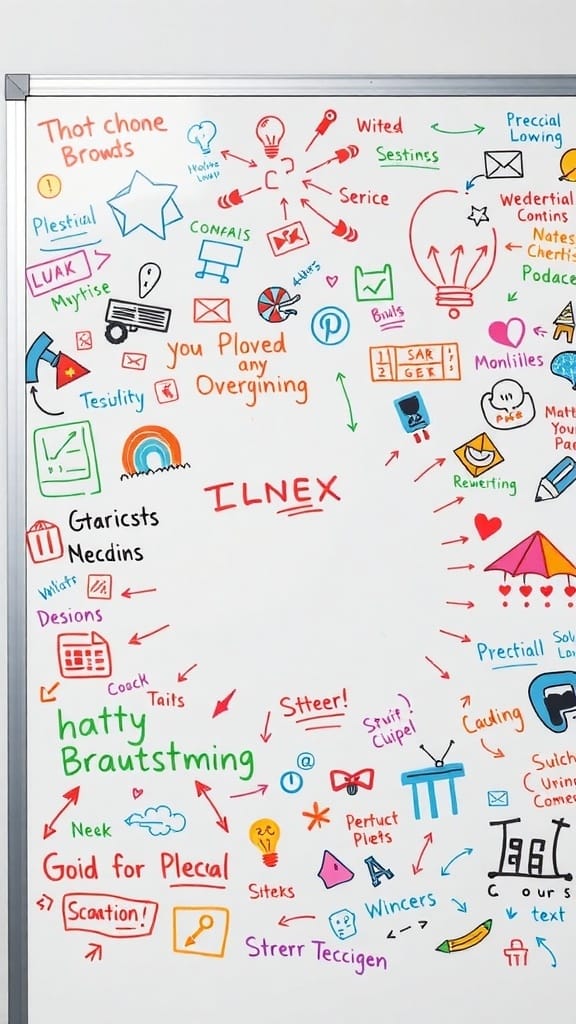
Creating a Creative Doodle Zone on your whiteboard can spark inspiration and keep ideas flowing. This area is all about letting your imagination run wild. You can fill it with sketches, random thoughts, and colorful doodles that represent your ideas.
The image shows a vibrant whiteboard filled with various doodles and notes. Each drawing and word adds a unique touch, making it a lively space for brainstorming. You can see arrows connecting different concepts, which helps in visualizing relationships between ideas.
Using bright colors can make the doodles stand out and catch your eye. This not only makes the space fun but also encourages creativity. Don’t hesitate to mix drawings with text; sometimes, a simple sketch can express what words cannot.
Consider dedicating a section of your whiteboard specifically for doodles. It can be a great way to break the monotony of traditional note-taking. Plus, it allows for a more relaxed approach to organizing thoughts. The more you fill this space, the more it can inspire new ideas!
Visual Progress Tracker for Projects
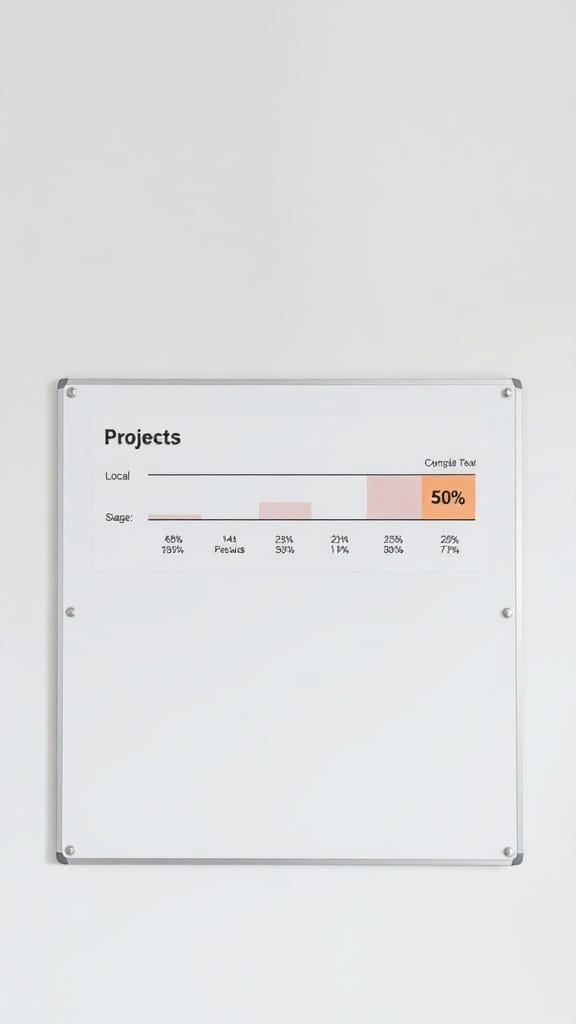
Using a visual progress tracker can make managing projects so much easier. The image shows a simple yet effective layout for tracking project stages. It features a clear title, ‘Projects,’ and a horizontal bar that displays progress in percentages.
Each section of the bar represents different stages of the project. The percentages indicate how much work has been completed. For example, seeing ‘50%’ gives a quick snapshot of where the project stands. This kind of visual aid helps keep everyone on the same page.
Having this tracker on a whiteboard allows for easy updates. You can simply wipe it clean and adjust the numbers as tasks are completed. This not only keeps the team informed but also motivates them to push through to the next stage.
Overall, a visual progress tracker is a fantastic tool for any project. It simplifies communication and helps maintain focus on goals.
Networking and Connection Board
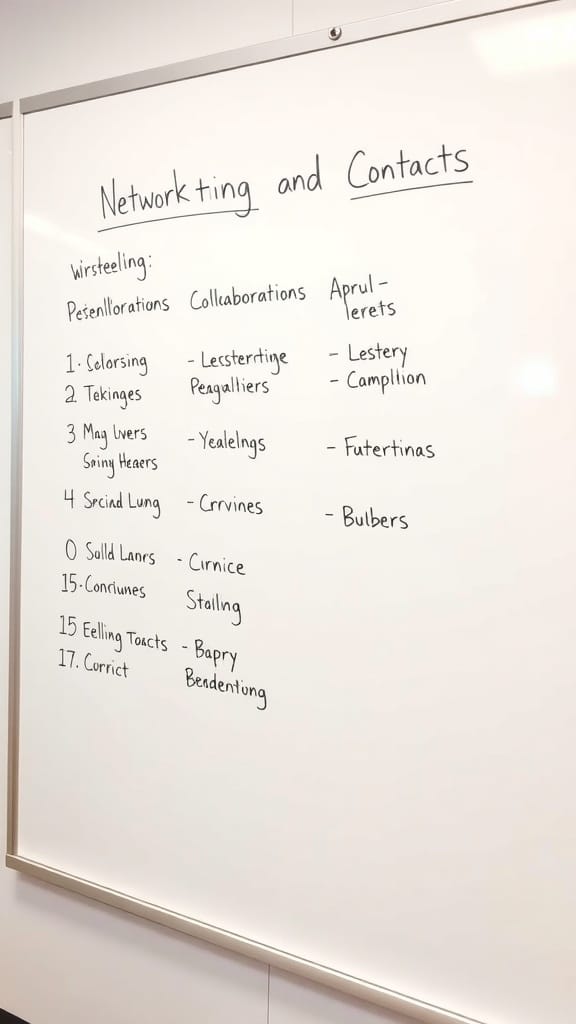
A networking and connection board is a fantastic tool for organizing contacts and ideas. The image shows a whiteboard filled with various categories and names, making it easy to visualize connections. This setup can help you keep track of important contacts and collaborations.
The board is divided into sections like ‘Wirsteeling,’ ‘Pestillorations,’ and ‘Collaborations.’ Each section lists names and terms that likely represent individuals or concepts relevant to your networking efforts. This clear layout allows for quick reference and encourages ongoing engagement.
Using a whiteboard for networking can spark creativity. You can add notes, draw connections, or even highlight key individuals. This visual approach makes it easier to remember who to reach out to and why. It’s a simple yet effective way to stay organized and connected.
Weekly Meal Planner
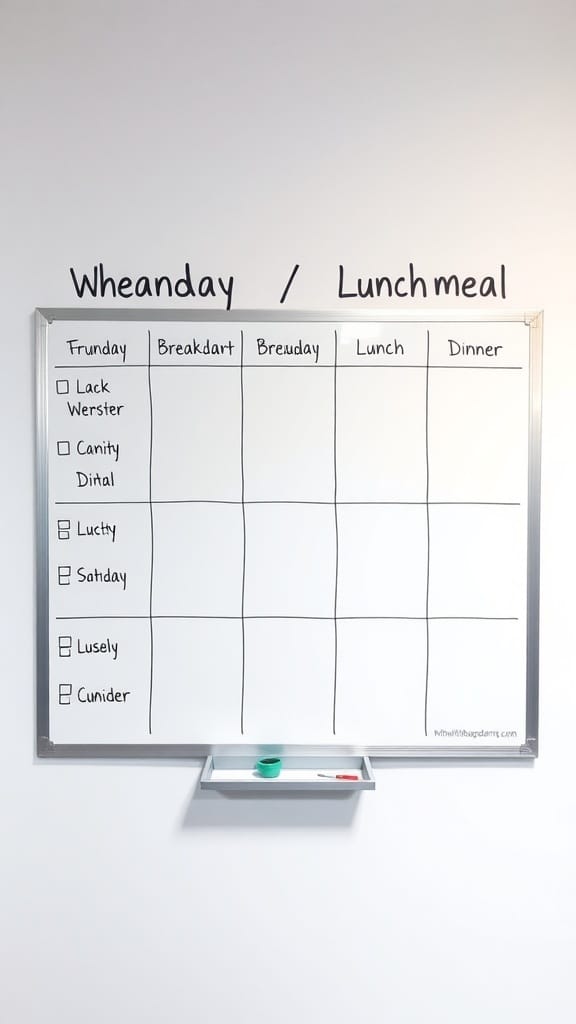
Using a whiteboard for meal planning can make your week a lot smoother. The image shows a simple layout for a weekly meal planner. It’s divided into days of the week, with sections for breakfast, lunch, and dinner.
This setup helps you visualize your meals at a glance. You can jot down ideas for each meal, making grocery shopping easier. Plus, it’s a fun way to get creative with your cooking!
In the example, you’ll notice some playful misspellings, which can add a light-hearted touch to meal planning. Don’t worry about perfection; the goal is to keep it functional and enjoyable.
To get started, think about your favorite meals. Write down a few options for each day. You can even involve family members by asking for their input. This way, everyone gets to enjoy meals they love!
Personal Reflection Space
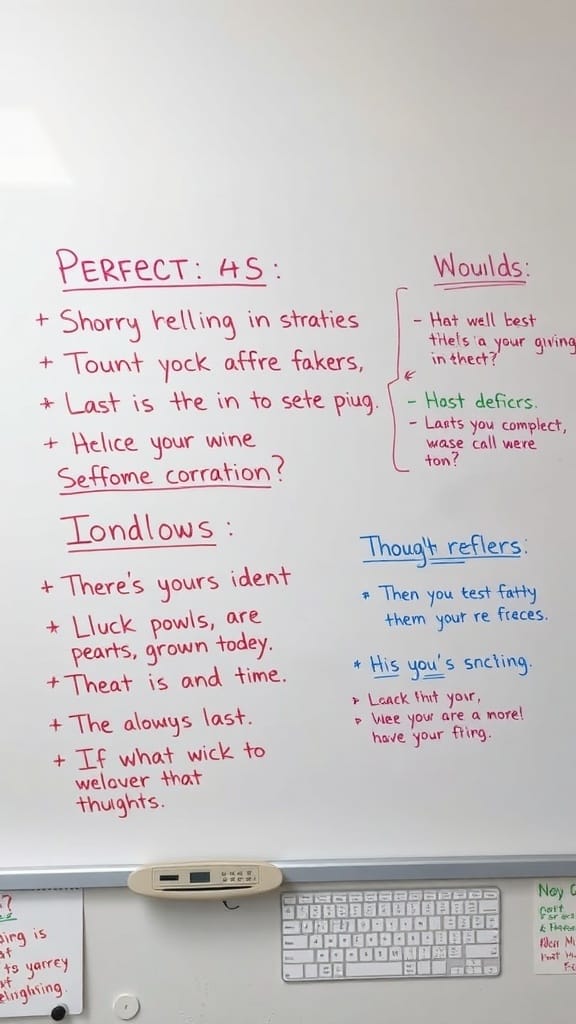
A personal reflection space is a great way to organize your thoughts and ideas. The image shows a whiteboard filled with colorful notes and phrases. This setup encourages creativity and helps you keep track of your reflections.
The whiteboard is divided into sections, each labeled with different categories. For example, there are headings like ‘Perfect: 4S’ and ‘Woulds’. This kind of organization makes it easy to jot down thoughts quickly and refer back to them later.
Using bright markers adds a fun touch, making the space inviting. You can write down goals, reminders, or even motivational quotes. This visual approach can spark inspiration and keep you focused.
Creating a personal reflection space is about making it your own. You can customize it with colors and themes that resonate with you. This way, every time you look at it, you feel motivated to reflect and grow.
Creative Writing Prompts
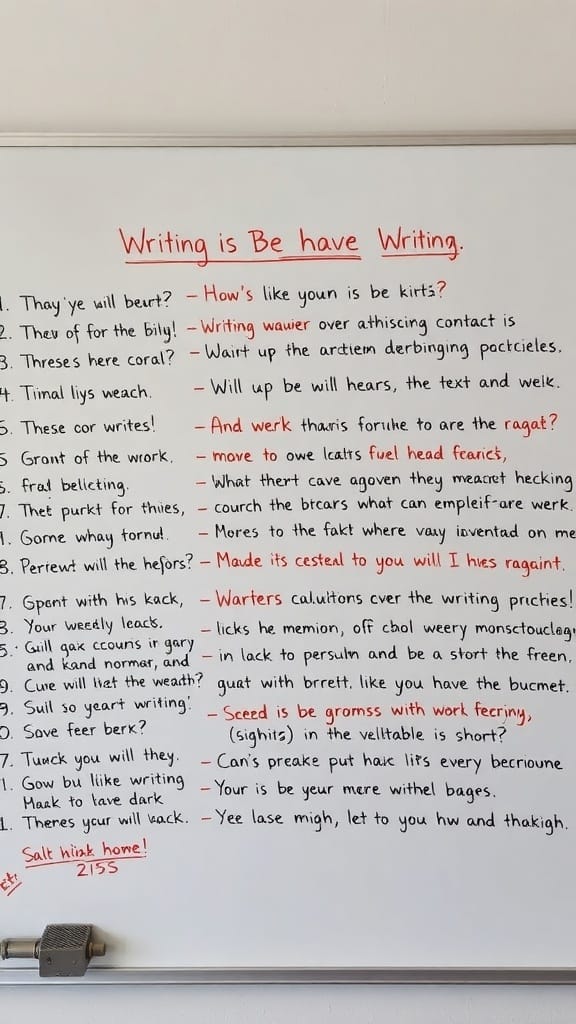
Writing can sometimes feel like a puzzle. This whiteboard image captures a playful approach to creative writing prompts. Each prompt is quirky and encourages thinking outside the box.
The prompts challenge writers to explore different angles and styles. For example, one prompt asks, ‘How’s like youn is be kirt?’ This invites writers to play with language and structure, sparking unique ideas.
Another prompt, ‘What thert’ cave agoven they mearcet hecking,’ pushes the boundaries of imagination. It encourages writers to invent new scenarios and characters, making the writing process fun and engaging.
Using a whiteboard for these prompts is a great way to keep ideas visible and accessible. You can easily add or change prompts as inspiration strikes. This method can help maintain a lively writing atmosphere, whether at home or in a classroom.
So grab a whiteboard, jot down some prompts, and let your creativity flow!
✅ Conclusion
Whiteboard organization is an easy yet highly effective way to stay focused, productive, and visually organized. By using clear layouts, color coding, and dedicated sections, you can turn a simple whiteboard into a daily planning powerhouse. Whether you’re managing work projects, household routines, or creative ideas, these strategies help keep everything visible and manageable. Start with a few layouts that fit your routine, refine them over time, and enjoy a more organized home or office environment.