Introduction
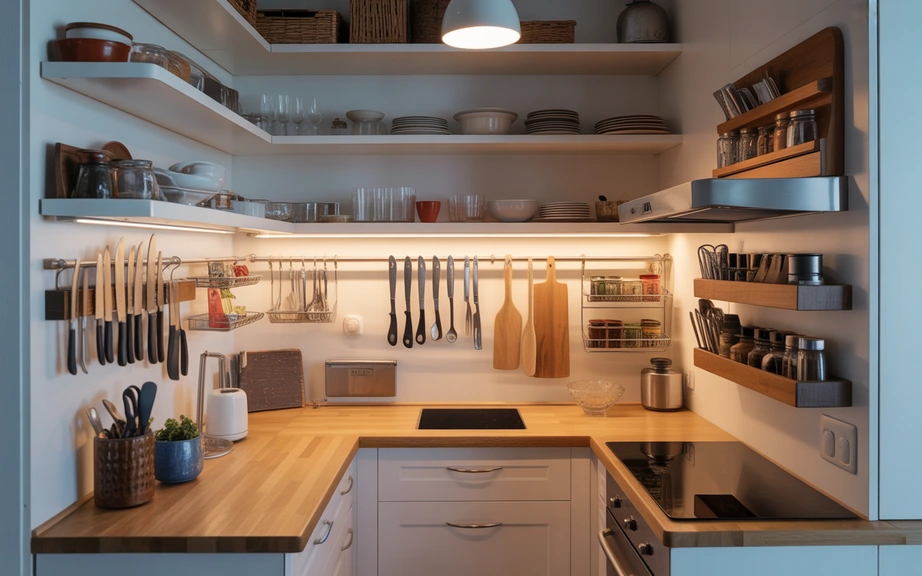
A tiny kitchen doesn’t become stressful because it’s small — it becomes stressful when every surface has to do too many jobs at once. The most effective tiny kitchen organization ideas focus on reducing friction: making tools easier to grab, food easier to store, and counters easier to clear at the end of the day. When storage supports how you actually cook, even the smallest kitchen can feel calm and efficient. Instead of trying to fit more into tight cabinets, the goal is to make each inch work harder through zoning, vertical storage, and controlled visual clutter that stays manageable long term.
If your pantry is also part of the problem, these 23 Small Pantry Organization Ideas That Make Tiny Spaces Work Harder can help extend the system beyond your cabinets.
1. Start With Counter Decluttering Before Adding Storage
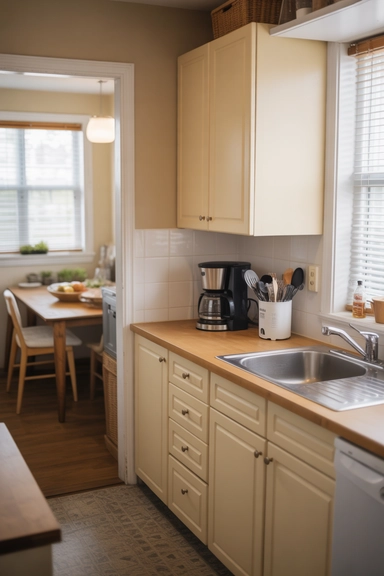
Most tiny kitchens feel crowded because counters are doing too much. Before buying organizers, clear everything off and only return items used daily. In effective tiny kitchen organization ideas, counters should hold a small group of essentials rather than becoming permanent storage. When appliances and tools are limited to what you actually use, the space immediately feels larger and easier to clean. This also reveals how much storage your cabinets truly need to handle.
Once counters are reset, assign each remaining item a defined zone. Coffee supplies stay together, cooking oils stay near the stove, and prep tools stay near the main workspace. This zoning approach supports faster cooking and easier cleanup. Over time, clear counters reduce visual stress and make the kitchen feel more functional. The goal isn’t empty surfaces — it’s controlled surfaces that support daily routines without becoming clutter magnets.
2. Use Vertical Wall Space as Primary Storage
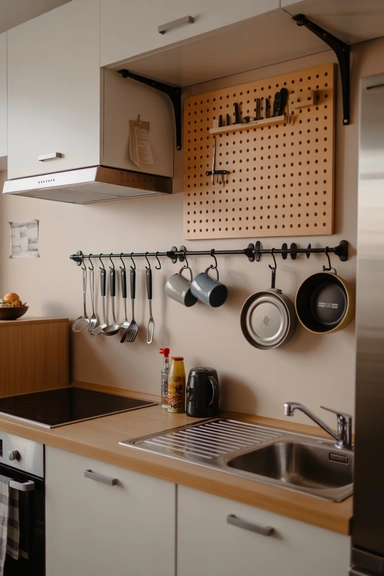
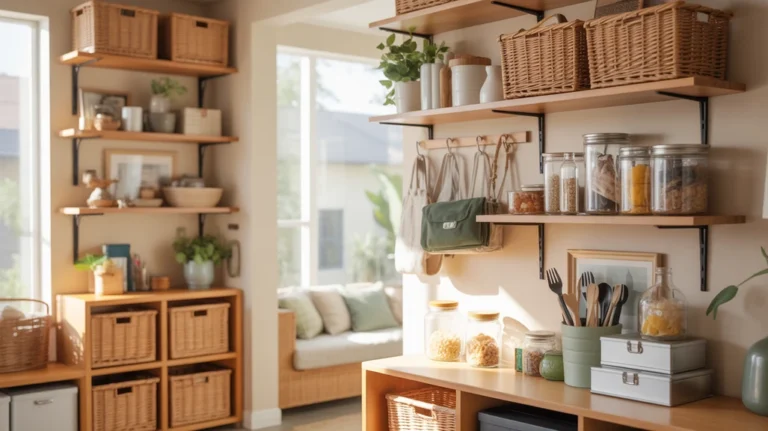
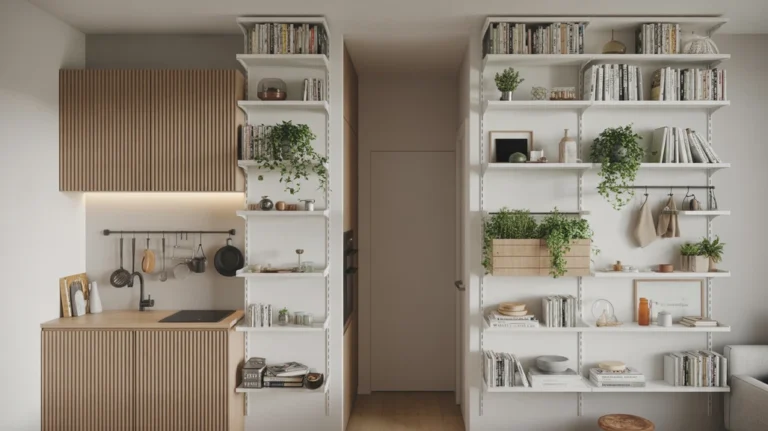
In tiny kitchens, walls matter more than cabinets. Rails, pegboards, and wall shelves turn empty vertical space into functional storage for utensils, mugs, and frequently used tools. One of the most practical tiny kitchen organization ideas is shifting items upward so drawers and counters stay clear. Hanging storage keeps tools visible and easy to grab without opening cabinets repeatedly during cooking.
Install wall storage near the areas where items are used. Utensils belong near the stove, mugs near the coffee zone, and prep tools near the main counter. This placement reduces movement and keeps the workflow efficient. Over time, vertical storage creates breathing room across the kitchen and prevents drawers from becoming overcrowded. Walls become active storage zones instead of wasted space.
3. Create Micro-Zones Inside Cabinets
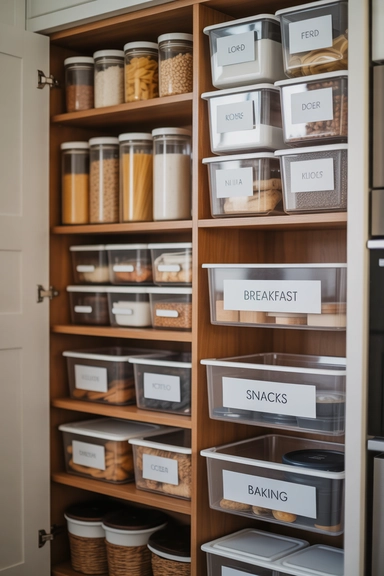
Tiny kitchens work best when cabinets are divided into micro-zones instead of general storage. Assign each shelf a specific function: breakfast, cooking staples, snacks, or baking. In strong tiny kitchen organization ideas, this internal zoning prevents items from mixing and makes restocking faster. Use small bins or risers inside cabinets to separate categories without needing a full renovation.
Keep daily-use items on the most accessible shelves and rarely used items higher or lower. When cabinets mirror your cooking habits, the kitchen feels easier to navigate. Micro-zones reduce time spent searching and prevent clutter from spreading. Over time, this approach keeps cabinets functional and predictable even when space is extremely limited.
4. Store Appliances Based on Frequency, Not Size
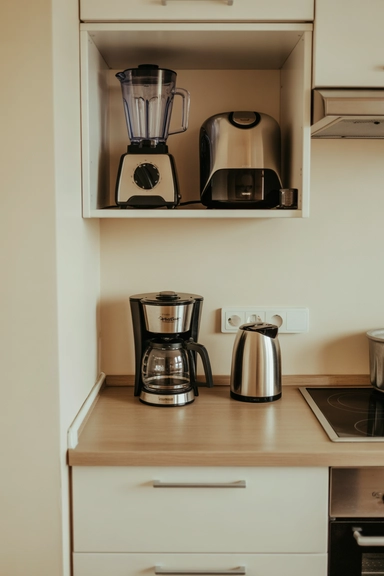
Tiny kitchens often store appliances wherever they fit, but frequency should guide placement. Daily-use items like kettles or coffee makers should stay accessible, while occasional appliances move to higher cabinets or alternate storage. This is one of the most practical tiny kitchen organization ideas because it aligns storage with routine rather than convenience.
If cabinet space is tight, use a rolling cart or dedicated appliance shelf to keep frequently used items reachable without crowding counters. Store heavier appliances lower for safety and lighter ones higher. When appliances are placed according to how often they’re used, the kitchen becomes easier to maintain and feels less cluttered. This strategy keeps work surfaces usable without sacrificing functionality.
5. Use Drawer Dividers to Stop Utensil Overload
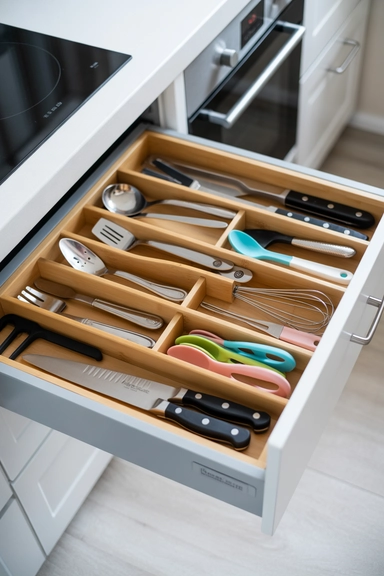
Utensil drawers become chaotic quickly in small kitchens because tools stack on top of each other without boundaries. One of the most practical tiny kitchen organization ideas is using adjustable drawer dividers to create fixed sections for spatulas, knives, measuring tools, and everyday utensils. When each category has a defined slot, drawers stay manageable and items stop shifting every time you open them. This also makes cleanup faster because everything has a clear return location.
Choose dividers that fit the drawer width precisely so space isn’t wasted. Keep the most-used tools toward the front and specialty items toward the back. If the drawer is shallow, consider stacking trays to create layers without overcrowding. Over time, divided drawers reduce frustration during cooking because you’re no longer digging through clutter. Instead of becoming catch-all storage, drawers turn into efficient, predictable work zones that support daily routines.
6. Install a Slim Rolling Cart for Overflow Storage
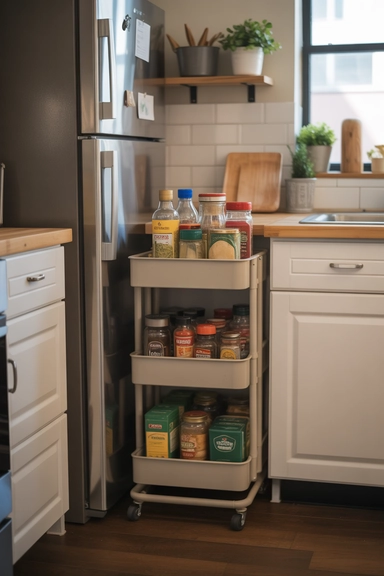
When cabinet space is maxed out, a narrow rolling cart can add storage without permanent installation. This is one of the most flexible tiny kitchen organization ideas for renters or tight layouts because it fits between appliances or beside cabinets. Use the cart for pantry staples, spices, or small appliances that don’t fit elsewhere. Wheels make it easy to move during cooking and tuck away afterward.
Organize the cart by category so it functions like a mobile cabinet rather than a random shelf. Heavier items go on the bottom, lighter items on top. Keep frequently used items at mid-height for easy access. Over time, a rolling cart prevents counters from becoming overcrowded and keeps essentials within reach. It’s a small addition that dramatically improves storage capacity without making the kitchen feel more cramped.
7. Turn Cabinet Doors Into Storage Surfaces
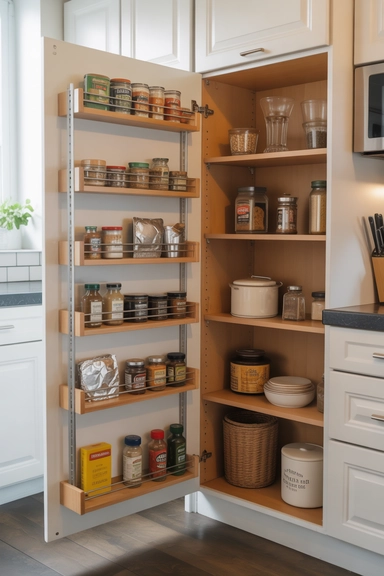
Cabinet doors offer hidden storage that many tiny kitchens overlook. Mount shallow racks or hooks inside doors to hold lids, wraps, cleaning supplies, or spice jars. Incorporating door storage is one of the simplest tiny kitchen organization ideas because it expands capacity without taking up shelf space. Keeping flat or lightweight items on doors frees up interior shelves for bulkier storage.
Choose slim organizers that allow doors to close easily without hitting shelves. Group similar items together so the door storage feels intentional rather than random. For example, dedicate one door to foil and wraps and another to cleaning tools. Over time, using door space keeps cabinets from feeling overcrowded and helps maintain a cleaner layout. Hidden storage like this quietly increases functionality without making the kitchen look busier.
8. Use Stackable Shelves Inside Cabinets
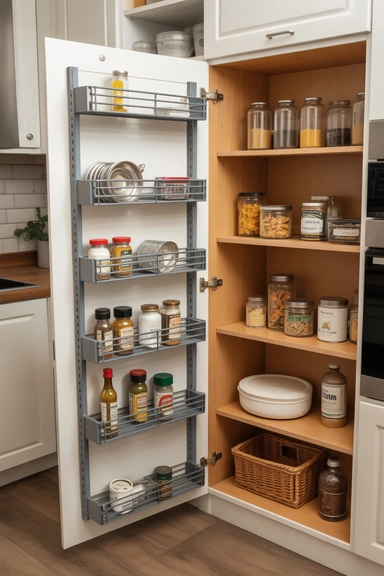
Cabinet height often goes unused because items are placed in single layers. Stackable shelves or risers create a second level inside cabinets, effectively doubling usable space. Among the most effective tiny kitchen organization ideas, this allows plates, bowls, and pantry items to sit in separate layers rather than being piled. Visibility improves and items become easier to access.
Place stackable shelves where vertical space is wasted, especially above shorter items like mugs or jars. Keep heavier items on the main shelf and lighter items on the upper tier for stability. This layered storage makes cabinets feel structured instead of crowded. Over time, stackable shelves prevent items from toppling over and keep storage predictable. The result is a cabinet system that feels larger without actually expanding its footprint.
9. Create a Compact Prep Zone That Stays Clear
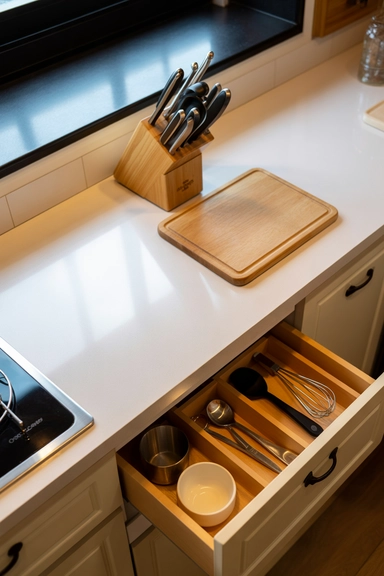
Tiny kitchens feel chaotic when prep space constantly gets taken over by storage. One of the most effective tiny kitchen organization ideas is creating a compact prep zone that stays mostly clear and ready to use. Choose one section of the counter as the primary workspace and keep only the essentials nearby, like a cutting board, knife block, or small utensil crock. When prep items stay contained to one zone, the rest of the counter remains easier to manage.
Store nearby tools in a drawer or vertical holder within arm’s reach so they’re accessible without cluttering the surface. Return items to their designated spots immediately after use to maintain the clear workspace. Over time, this small dedicated prep zone makes cooking smoother and cleanup faster. Instead of constantly rearranging items, the kitchen supports your workflow with a consistent area that’s always ready for daily tasks.
10. Use Magnetic Storage to Free Up Drawers
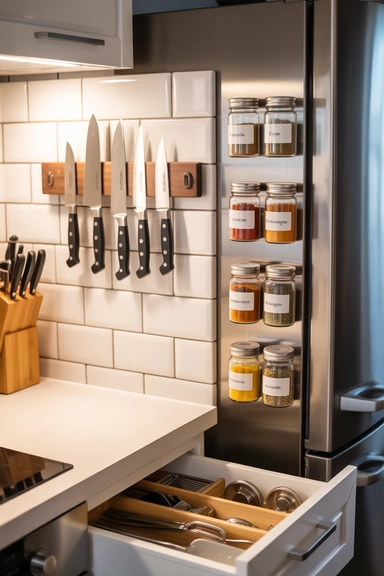
Magnetic strips and racks are among the smartest tiny kitchen organization ideas for freeing up drawer and cabinet space. Mount a magnetic strip on the wall or backsplash to hold knives, metal utensils, or spice jars. This keeps frequently used tools visible and accessible while reducing drawer overcrowding. Magnetic storage also works well on the side of refrigerators for lightweight items.
Place magnetic storage near where tools are used most so movement during cooking stays minimal. Keep spacing between items consistent to prevent a cluttered look. Over time, shifting tools onto magnetic surfaces opens up drawers for other storage needs. The kitchen feels more efficient because everyday items are easier to grab and return without opening multiple cabinets. It’s a small adjustment that delivers significant space savings.
11. Add Shelf Risers for Plates and Bowls
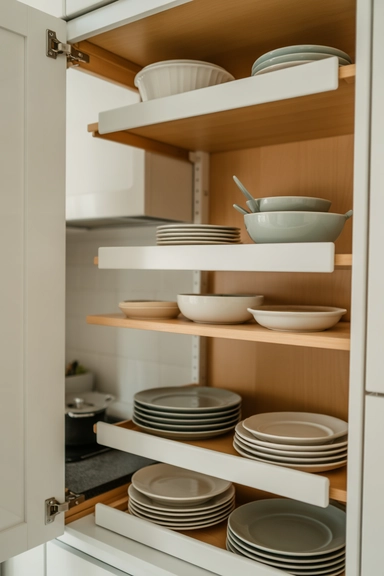
Stacking plates and bowls directly on top of each other wastes vertical space and makes cabinets harder to use. Shelf risers create additional layers so items can be stored in separate rows. This is one of the simplest tiny kitchen organization ideas that instantly improves accessibility without requiring new cabinets. When dishes have designated levels, removing one doesn’t disturb the entire stack.
Place risers on shelves with enough height to support two layers comfortably. Keep heavier dishes on the lower level and lighter items above. This layered approach keeps cabinets from feeling overcrowded and reduces the chance of items tipping over. Over time, shelf risers help maintain a structured cabinet layout that’s easier to keep tidy. Instead of stacking endlessly, dishes stay organized and accessible.
12. Store Cleaning Supplies in One Contained Zone
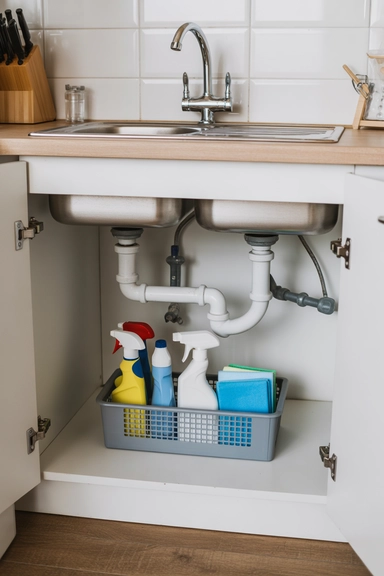
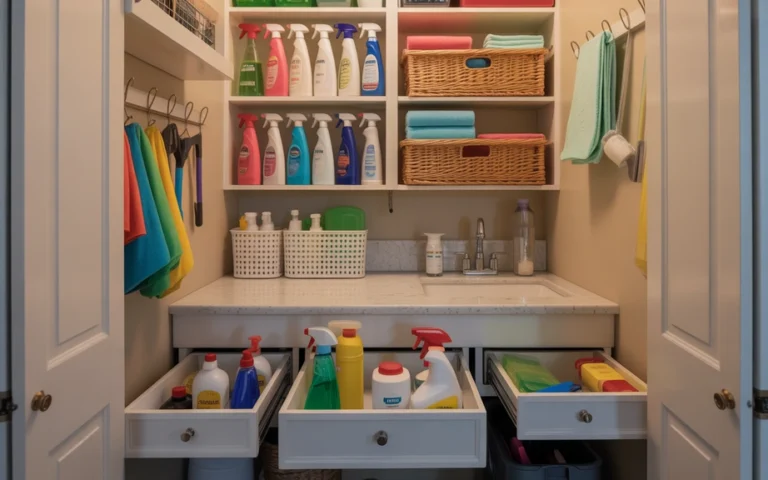
Cleaning supplies often end up scattered across cabinets in tiny kitchens. Creating one contained cleaning zone keeps everything easy to find and prevents clutter from spreading. One of the most practical tiny kitchen organization ideas is using a small bin or caddy under the sink to group sprays, cloths, and sponges together. When cleaning items have a single home, the rest of the kitchen stays more organized.
Choose a caddy that can be lifted out easily during cleaning sessions. Keep frequently used supplies toward the front and refills toward the back. This setup simplifies both daily cleanup and restocking. Over time, a contained cleaning zone reduces visual clutter and makes maintenance more efficient. Instead of searching through multiple cabinets, everything you need stays in one predictable location.
13. Use Over-the-Sink Solutions to Create Instant Surface Area
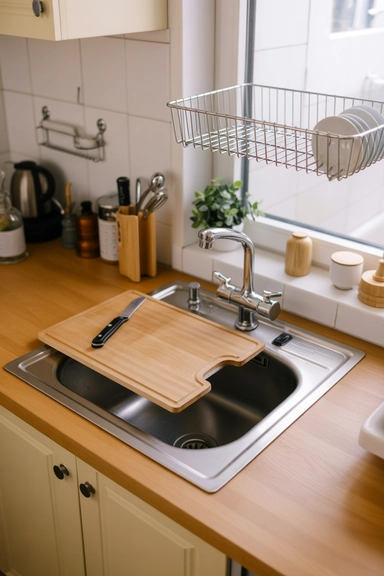
In a tiny kitchen, the sink area can double as prep space when used strategically. One of the most practical tiny kitchen organization ideas is adding an over-the-sink cutting board or drying rack that expands usable counter space. This temporary surface creates room for chopping or staging ingredients without permanently crowding the kitchen. When not in use, it can be removed or stored vertically to keep the area clear.
Choose a sturdy, properly fitted board that sits securely across the sink edges. Keep it lightweight enough to move easily but strong enough to handle daily prep. Over time, this simple upgrade transforms a fixed fixture into a flexible workspace. Instead of feeling limited by counter size, you gain adaptable surface area that supports cooking without sacrificing organization.
14. Dedicate One Wall to Open Shelving for Everyday Items
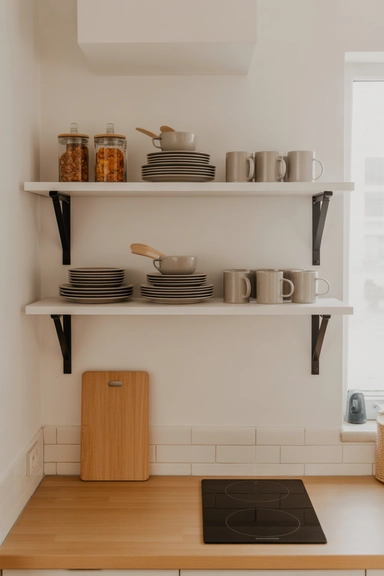
Open shelving can work beautifully in small kitchens when it’s curated intentionally. Among effective tiny kitchen organization ideas, dedicating one wall to neatly arranged everyday dishes or pantry staples reduces cabinet congestion while keeping essentials visible. The key is limiting what goes on open shelves to frequently used items so they remain functional rather than decorative clutter.
Keep the arrangement simple and consistent. Stack plates in small groups, line up matching jars, and avoid overcrowding the space. Maintaining visual order prevents open shelving from feeling chaotic. Over time, this approach balances accessibility with aesthetics, allowing the kitchen to feel lighter and more open. When styled thoughtfully, open shelving becomes both practical storage and a visual breathing space.
15. Store Pots and Pans Vertically Instead of Stacking
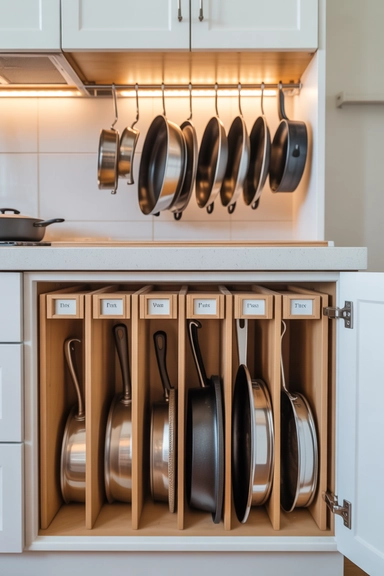
Stacking pots and pans horizontally quickly creates noise and instability inside cabinets. A smarter approach in many tiny kitchen organization ideas is storing them vertically using dividers or tension rods. When each pan has its own slot, you can remove one without disturbing the others. This keeps cabinets neater and reduces the frustration of shifting heavy cookware.
Place dividers inside a lower cabinet where heavier cookware is easier to lift safely. Store lids upright in a separate section or mounted on a cabinet door. Over time, vertical storage makes cookware easier to access and helps prevent scratches or damage from stacking. Instead of a crowded pile, the cabinet becomes an organized grid that supports efficient cooking.
16. Create a Compact Coffee or Beverage Station
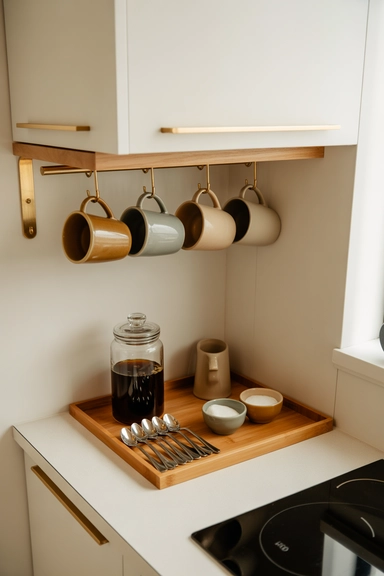
In tiny kitchens, grouping similar items reduces scattered clutter. One of the most functional tiny kitchen organization ideas is creating a compact coffee or beverage station where mugs, coffee supplies, and sweeteners live together. Whether it’s a small counter corner or a shelf inside a cabinet, keeping everything centralized prevents it from spreading across the kitchen.
Use a tray or small basket to define the boundaries of the station. Store daily-use mugs nearby and keep refills in a lower or upper cabinet. When beverage items stay grouped, mornings become smoother and counters stay cleaner. Over time, this focused zone reduces visual noise and supports a more streamlined daily routine.
17. Use Narrow Shelf Gaps for Vertical Storage
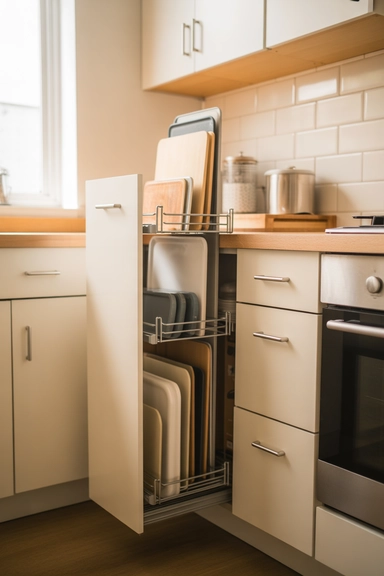
Tiny kitchens often have slim gaps between cabinets or appliances that go unused. One of the smartest tiny kitchen organization ideas is turning those narrow spaces into vertical storage for trays, cutting boards, or baking sheets. Slim pull-out racks or tension rods can transform these tight areas into functional slots that keep flat items upright and accessible. Instead of stacking everything in one crowded cabinet, each item has a clear place.
Keep heavier pieces toward the bottom for stability and lighter ones above. Label the area mentally by function so items always return to the same slot after use. Over time, these narrow vertical zones reduce clutter in main cabinets and make tools easier to grab. What once felt like wasted space becomes one of the most efficient storage spots in the entire kitchen.
18. Add Hooks Under Cabinets for Hanging Storage
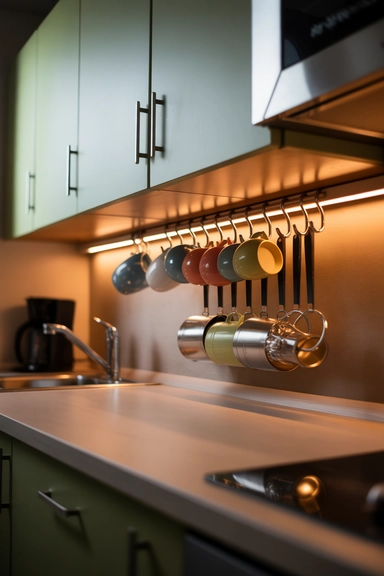
Under-cabinet hooks create instant hanging storage without taking up shelf or drawer space. This is one of the most renter-friendly tiny kitchen organization ideas because it requires minimal installation while adding noticeable function. Hang mugs, measuring cups, or small utensils underneath cabinets so they’re accessible but off the counter. This frees up valuable surface space for prep and keeps frequently used items within reach.
Place hooks in areas that don’t interfere with movement or cooking tasks. Keep spacing consistent so items hang neatly without overlapping. Over time, hanging storage prevents drawers from becoming overcrowded and keeps the kitchen feeling lighter. Small adjustments like this make the space feel more efficient without requiring a full redesign or renovation.
19. Use Clear Containers to Simplify Food Storage
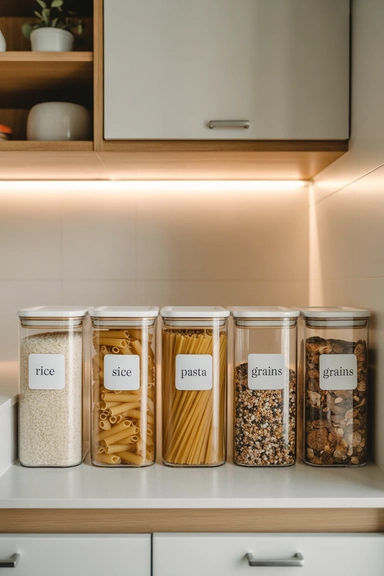
Food packaging quickly creates visual clutter in tiny kitchens. Transferring dry goods into clear containers is one of the most effective tiny kitchen organization ideas for keeping shelves calm and easy to navigate. Clear containers allow quick inventory checks and stack neatly to maximize space. When items are decanted, cabinets feel more intentional and less chaotic.
Choose containers that fit your shelf height precisely so no vertical space is wasted. Keep similar items grouped together and label simply for clarity. Over time, consistent containers prevent overcrowding and make grocery restocking easier. Instead of managing bulky boxes and bags, you maintain a streamlined system that supports both function and visual order.
20. Establish a Weekly Five-Minute Reset Routine
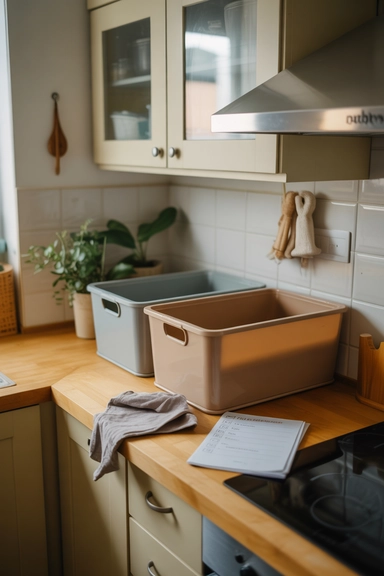
Even the best layouts need regular maintenance. A weekly reset keeps tiny kitchen organization ideas working long term without requiring constant deep cleaning. Choose a consistent day to return misplaced items, wipe surfaces, and check inventory. This small habit prevents clutter from building and keeps storage systems intact. Five minutes is often enough to restore order if done consistently.
During the reset, adjust zones if something feels inconvenient or overcrowded. Move items slightly until the layout supports your routine more naturally. Over time, this ongoing refinement ensures the kitchen remains functional rather than slipping back into chaos. Maintenance becomes simple because everything already has a defined place.
21. Keep the System Flexible as Your Needs Change
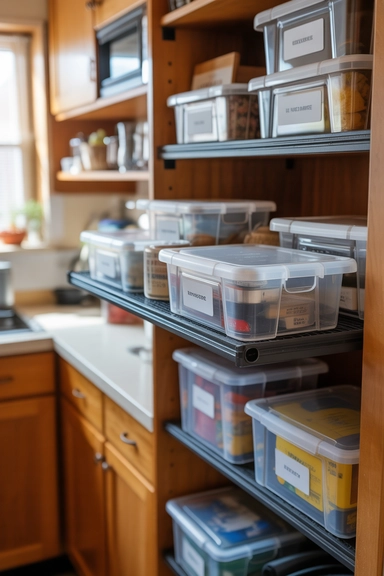
The most successful tiny kitchen organization ideas evolve with how you actually use the space. Cooking habits shift, groceries change, and storage needs adjust over time. Instead of locking the system permanently, leave room for small modifications. Swap bin locations, adjust shelves, or reassign zones when routines change. Flexibility keeps the kitchen functional without requiring full reorganizations.
Pay attention to which areas become messy first — they usually signal where adjustments are needed. When the system adapts to real-life habits, maintenance becomes easier and the kitchen feels less stressful. A flexible approach ensures the space continues to support your routine rather than forcing you to work around it.
Conclusion
Tiny kitchens don’t need more space — they need smarter structure. When zones are clear, vertical storage is used fully, and daily habits guide placement, even the smallest kitchen can function efficiently. The most effective tiny kitchen organization ideas focus on making every inch purposeful while keeping maintenance simple. Start with decluttering, build storage around real routines, and refine the system over time. With a few thoughtful adjustments, your kitchen can feel calmer, more usable, and easier to keep organized every single day.