
Introduction
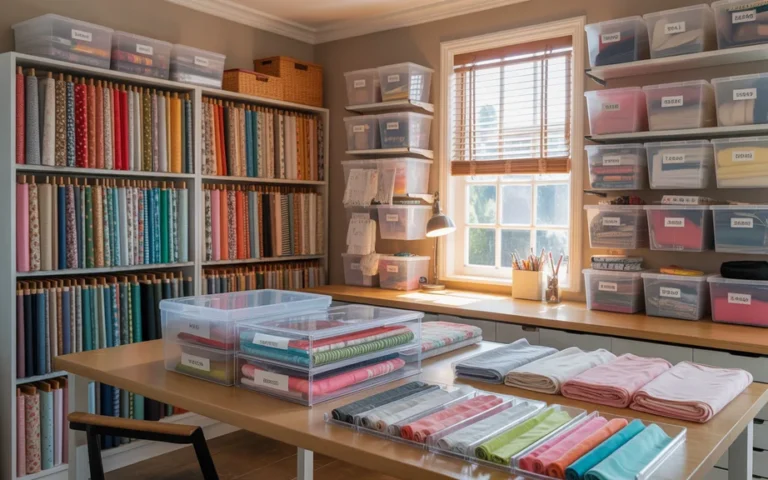
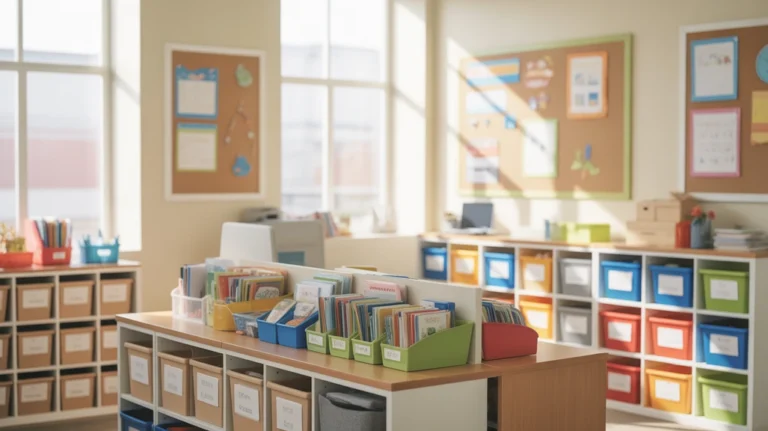
Life feels overwhelming when everyday items, tasks, and responsibilities lack simple systems. Clutter isn’t only physical; it shows up in routines, schedules, and daily habits that feel scattered. Learning to organize your life for cheap means creating structure without expensive tools or complicated setups. Budget-friendly organization focuses on realistic systems that fit busy lifestyles and real homes. The ideas below help reduce visual mess, save time, and create smoother daily flow using simple, low-cost solutions. For more home-based budget organization, 21 Cheap Life Organizing Ideas for a Calm, Clutter-Free Routine offers helpful next-step inspiration.
1- DAILY RESET BASKET SYSTEM
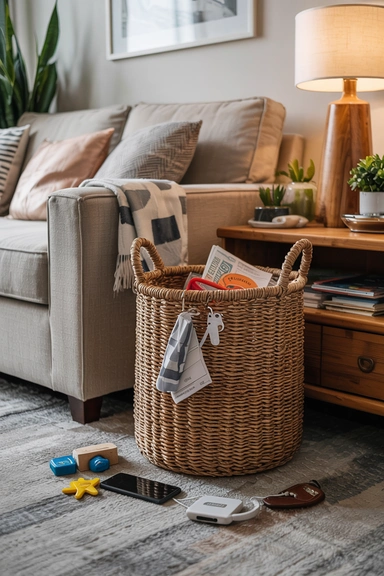
When life gets busy, small items collect on counters, tables, and floors throughout the day. A daily reset basket gives every stray object a temporary home instead of letting clutter spread across rooms. Keys, mail, toys, accessories, and chargers can all be dropped into one basket for later sorting. This keeps living spaces looking tidy even when full organization isn’t possible in the moment.
Setting a fixed time to empty the basket builds an easy routine. Instead of cleaning constantly, you simply return items to their proper places once a day. Over time, this habit reduces visual chaos, saves cleaning time, and proves that organizing your life for cheap can start with one simple basket.
2- SIMPLE MORNING AND EVENING ROUTINE ZONES
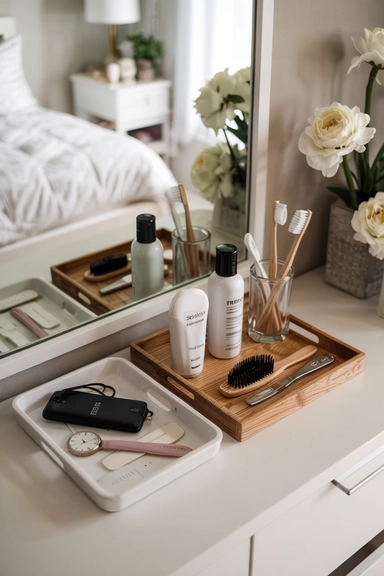
Routines fall apart when daily essentials are stored randomly. Creating small routine zones for mornings and evenings keeps important items grouped and ready. A tray for skincare, a hook for keys, or a small container for chargers removes decision-making from busy moments. This keeps tasks flowing instead of feeling rushed and disorganized.
When each routine has a dedicated zone, daily habits become automatic. You waste less time searching for items and more time focusing on priorities. Over time, consistent routine zones reduce stress, improve time management, and show that organizing your life for cheap can begin with small, intentional placement.
3- PAPER AND DOCUMENT CONTROL FOLDER
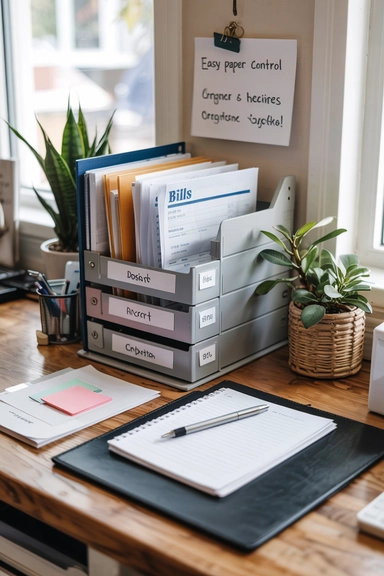
Paper clutter creates mental clutter. Receipts, bills, notes, and appointment cards easily spread across surfaces and get lost. A simple folder or envelope system creates a low-cost control center for all incoming paper. Each category gets a labeled section, keeping important documents easy to find when needed.
Checking and emptying the folder weekly prevents buildup. This small system avoids missed payments, lost information, and desk chaos. Over time, paperwork becomes manageable instead of stressful, proving that organizing your life for cheap can bring both physical and mental clarity.
4- TASK LIST BOARD OR NOTE SYSTEM
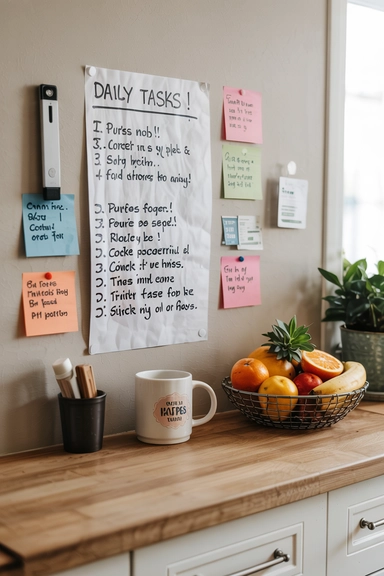
Mental clutter often comes from trying to remember everything. A simple task board, notebook, or sticky-note system moves responsibilities out of your head and into a visible space. Writing tasks down creates immediate structure and reduces the feeling of being overwhelmed. You don’t need digital apps or expensive planners to stay organized.
Keeping your task system in one consistent place prevents forgotten responsibilities. Reviewing it daily builds rhythm and control. Over time, small planning habits improve productivity, lower stress, and support organizing your life for cheap through simple consistency.
5- CLOTHING CATEGORY GROUPING
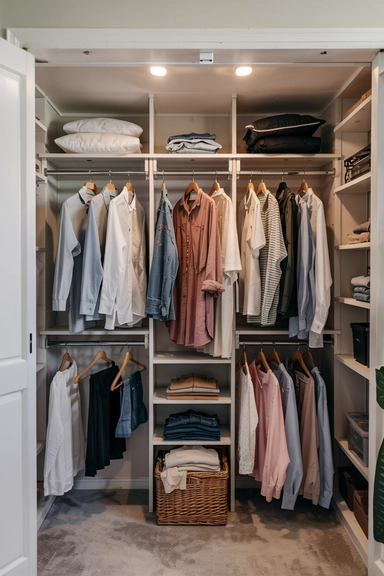
Wardrobe chaos adds unnecessary stress to daily life. Grouping clothes by category — workwear, casual, home, or seasonal — makes dressing faster and keeps closets from overflowing. This doesn’t require new furniture; simple rearranging or using basic hangers creates instant order.
When clothing is grouped intentionally, laundry becomes easier to put away and outfits become quicker to choose. Over time, wardrobes feel lighter, mornings feel calmer, and organizing your life for cheap becomes a reality through smarter clothing structure.
6- WEEKLY PLANNING SESSION HABIT
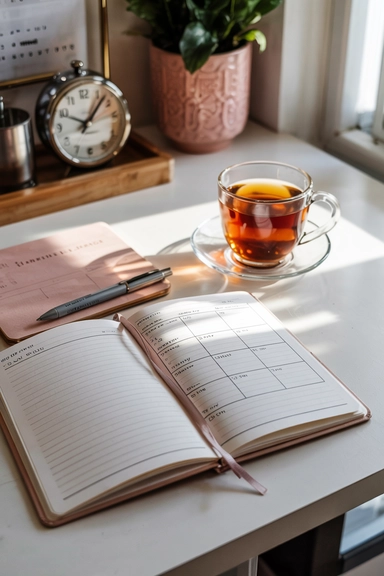
When schedules are managed only in the moment, life feels reactive instead of organized. A simple weekly planning session helps structure upcoming tasks, appointments, and priorities without expensive planners or apps. Setting aside fifteen minutes each week to review responsibilities, jot lists, and set reminders creates control over busy routines. This small habit reduces last-minute stress and forgotten commitments.
Keeping planning materials in one place maintains consistency. Over time, weekly sessions build awareness of time use, improve decision-making, and reinforce that organizing your life for cheap is more about habits than tools.
7- KITCHEN MEAL PREP ZONES
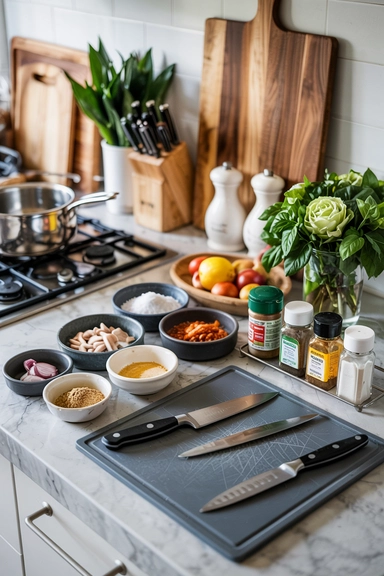
Meal preparation becomes stressful when ingredients and tools are scattered. Creating basic meal prep zones in the kitchen keeps cutting boards, knives, spices, and containers grouped for quick access. This reduces time spent searching during cooking and prevents counters from filling with random items.
Using trays, small baskets, or repurposed containers keeps the system affordable. When prep zones stay consistent, cooking becomes smoother and cleanup faster. Over time, structured kitchen flow saves time, reduces food waste, and supports organizing your life for cheap through everyday routine improvements.
8- DIGITAL FILE CLEANUP SYSTEM

Digital clutter creates just as much stress as physical clutter. A simple file-naming and folder system on your computer or phone keeps documents, photos, and downloads easy to locate. Sorting files into labeled folders prevents endless searching and accidental duplicates. You don’t need paid software to stay organized; basic folders work perfectly.
Scheduling a short monthly digital cleanup keeps storage manageable. Over time, devices run smoother, important files remain accessible, and organizing your life for cheap extends beyond physical spaces into digital routines.
9- SHARED FAMILY CALENDAR BOARD
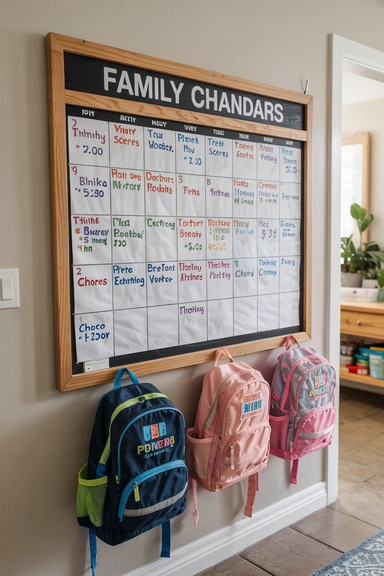
Family schedules quickly become confusing when plans stay in individual heads or phones. A shared wall calendar or whiteboard creates one central planning spot for everyone. Writing appointments, school events, and chores where all can see prevents miscommunication and last-minute surprises.
Updating the board becomes a weekly routine that keeps everyone aligned. Over time, household flow improves, forgotten events disappear, and organizing your life for cheap becomes a shared family habit instead of an individual burden.
10- EVENING CLEANUP TIMER ROUTINE
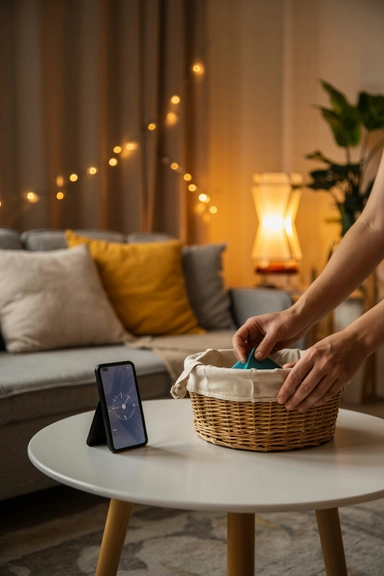
Daily mess grows when cleanup feels like a large task. Setting a short evening timer for quick tidying turns organization into a simple habit rather than a chore. Five to ten minutes spent returning items to their places keeps clutter from building overnight.
Because the time is limited, the task feels manageable. Family members can join, making it a shared routine. Over time, rooms stay consistently tidy, mornings start calmer, and organizing your life for cheap becomes part of everyday rhythm.
11- PERSONAL ITEM DROP ZONES
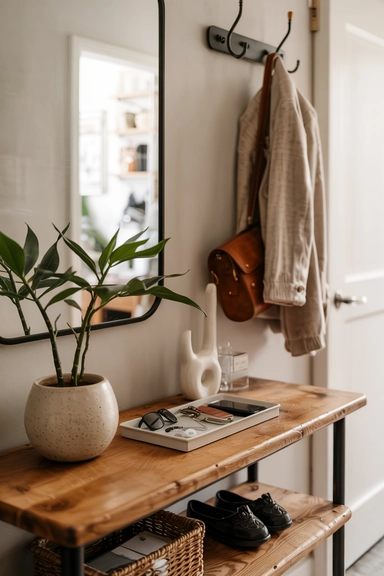
Small personal items like wallets, glasses, chargers, and keys often get misplaced during busy days. Creating designated drop zones ensures these essentials always have a home. A tray, hook, or small container in key areas prevents daily searching and surface clutter.
Using the same drop zone daily builds muscle memory. Over time, lost items become rare, routines run smoother, and organizing your life for cheap feels natural through consistent small systems.
12- DESIGNATED WORKSPACE SETUP TO ORGANIZE YOUR LIFE FOR CHEAP
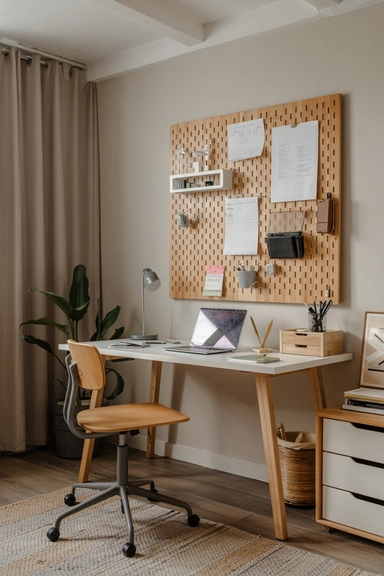
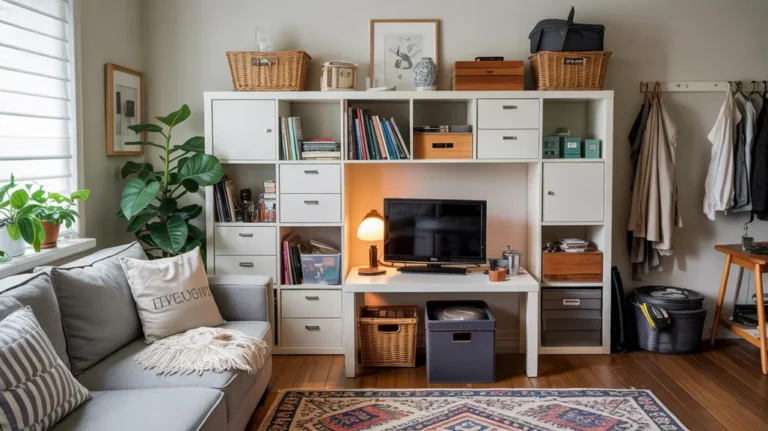
Working from random surfaces like beds, couches, or kitchen tables creates constant physical and mental clutter. A designated workspace, even a small one, gives your daily tasks a defined home. It doesn’t require an expensive desk; a simple table, chair, and small supply container are enough. When work tools stay in one place, papers, chargers, and notebooks stop spreading throughout the house, keeping other rooms calmer and more functional.
Returning work items to the same spot after each session builds consistency. Over time, concentration improves, setup time disappears, and switching between work and personal life becomes easier. This small change proves that organizing your life for cheap starts with giving activities clear physical zones.
13- SIMPLE HOUSEHOLD INVENTORY LIST
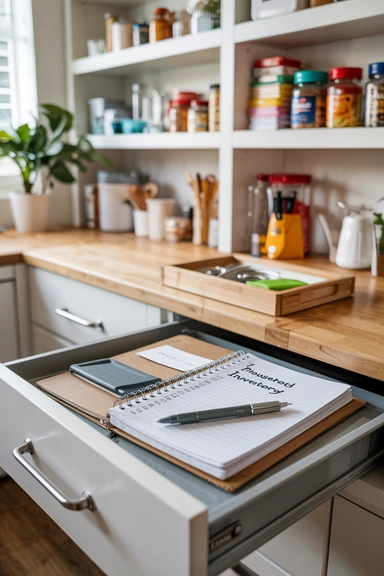
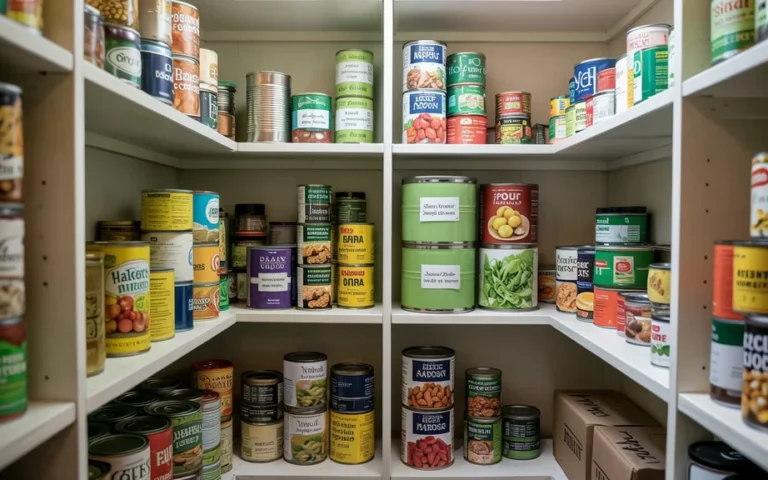
Forgetting what you already own leads to duplicate purchases and overflowing storage. A simple handwritten or digital inventory list keeps track of household basics like toiletries, cleaning supplies, pantry items, and stationery. You don’t need special apps; a notebook or notes file works just as well. Checking the list before shopping prevents overbuying and keeps cabinets from filling with unnecessary extras.
Updating the inventory once a week keeps it accurate without effort. Over time, spending becomes more controlled, storage stays lighter, and daily life feels less crowded. This is an easy but powerful way of organizing your life for cheap while saving money.
14- CLEANING SUPPLY CADDY SYSTEM
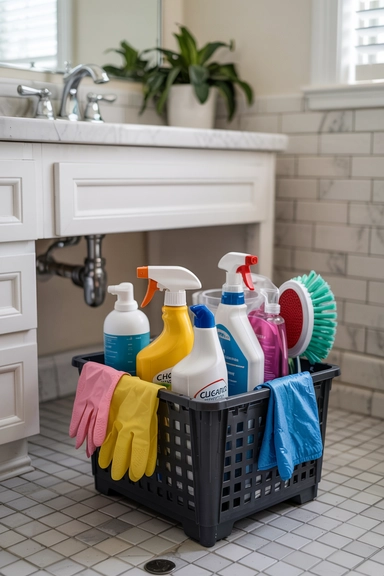
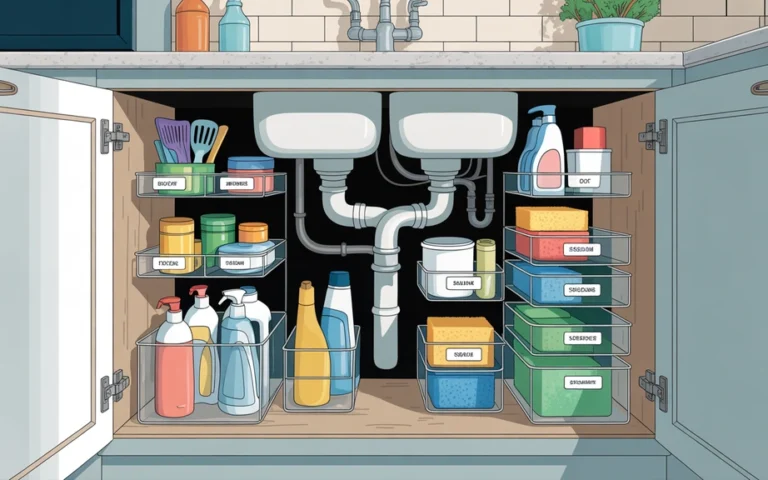
Cleaning becomes harder when supplies are scattered across multiple rooms. A simple cleaning caddy keeps sprays, cloths, brushes, and gloves together in one portable container. This prevents random bottles under sinks and forgotten tools in closets. Carrying one caddy from room to room saves time and keeps cleaning sessions short and efficient.
After use, returning everything to the caddy prevents storage chaos from rebuilding. Over time, cleaning feels less overwhelming, cabinets stay organized, and maintaining a tidy home becomes part of routine rather than a major task. It’s another practical way to organize your life for cheap with everyday tools.
15- CLOSET DAILY OUTFIT PLANNING AREA
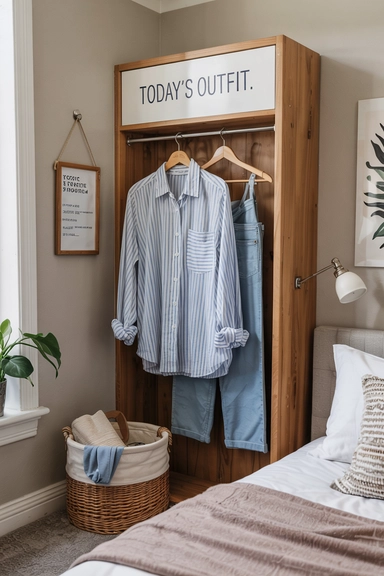
Mornings become stressful when clothes are chosen from crowded, unstructured closets. Creating a small daily outfit planning area keeps frequently worn clothing separated and ready. This might be a dedicated hanger section, a simple hook, or a small basket for folded basics. It reduces wardrobe rummaging and keeps other clothes from being disturbed.
When outfits are planned in advance, mornings run smoother and laundry returns to proper places faster. Over time, closets stay orderly, clothing lasts longer, and daily routines feel calmer. This shows that organizing your life for cheap often comes from smarter use of existing space.
16- BASIC BUDGET TRACKING SYSTEM
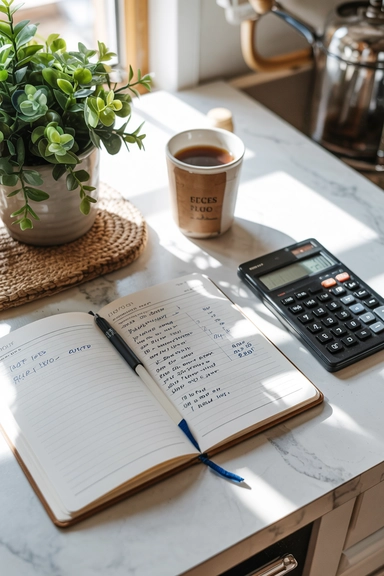
Financial clutter causes just as much stress as physical clutter. A basic budget tracking system using a notebook or simple spreadsheet helps keep spending visible and controlled. Recording expenses daily prevents surprise bills and forgotten subscriptions. You don’t need paid software; consistency matters more than tools.
Reviewing your budget weekly builds awareness of spending habits. Over time, money decisions improve, financial stress reduces, and savings grow naturally. This is an essential but low-cost way of organizing your life for cheap beyond physical spaces.
17- SUNDAY RESET ROUTINE
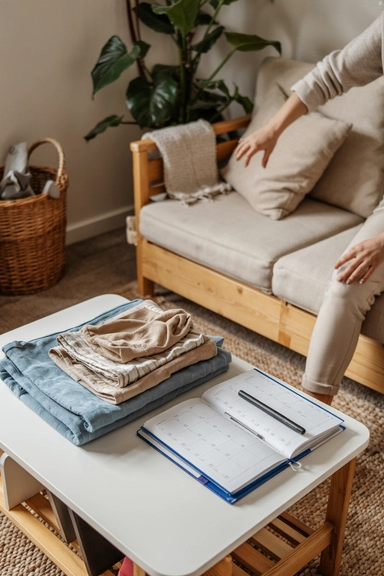
When homes and schedules are never reset, clutter slowly takes over the week. A Sunday reset routine creates a fixed time to tidy spaces, review plans, prepare clothes, and organize upcoming tasks. This prevents mess and chaos from rolling forward day after day. The routine doesn’t need to be long; consistency matters more than duration.
Over time, starting each week organized reduces stress, improves time management, and keeps both spaces and schedules under control. This habit ties all other systems together and reinforces that organizing your life for cheap is built through simple, repeatable routines.
18- BEDTIME RESET ZONE
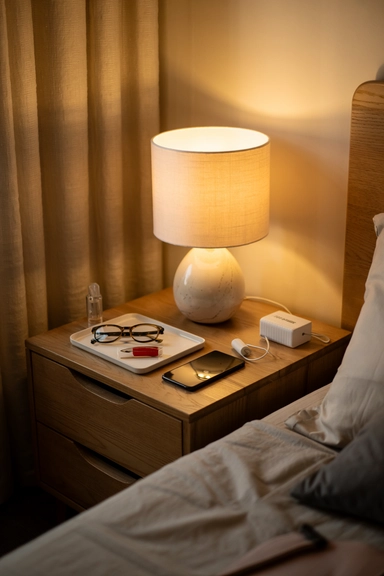
Evenings often end with items left scattered in living rooms and bedrooms. A simple bedtime reset zone gives you one place to gather books, glasses, chargers, and personal items before sleeping. This prevents nightstand overflow and morning clutter. A small tray, basket, or box beside the bed keeps essentials contained and easy to reach without spreading across furniture.
Using the same reset spot every night builds automatic habits. Over time, bedrooms feel calmer, morning routines start smoother, and misplaced items become rare. This small nightly action shows that organizing your life for cheap begins with consistent end-of-day systems.
19- SHARED HOUSEHOLD SUPPLY STATION
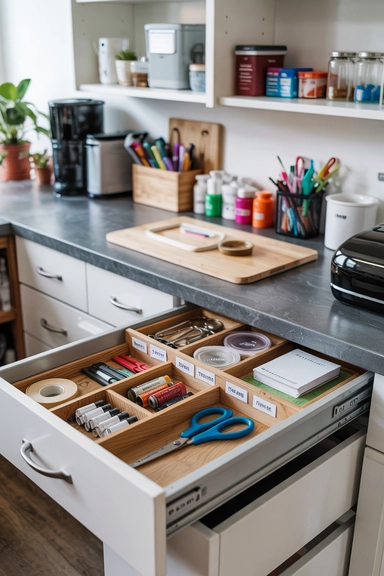
Household essentials like batteries, tape, scissors, and notepads often end up scattered across drawers in different rooms. Creating one shared supply station keeps these frequently used small items in a central, easy-to-reach place. A simple box or drawer organizer prevents repeated buying and wasted time searching during urgent moments.
Labeling sections ensures everyone returns items to the same spot. Over time, household tasks become quicker, cabinets stay lighter, and small-item clutter stops traveling around the home. This is a practical and budget-friendly step toward organizing your life for cheap.
20- LAUNDRY FLOW SYSTEM
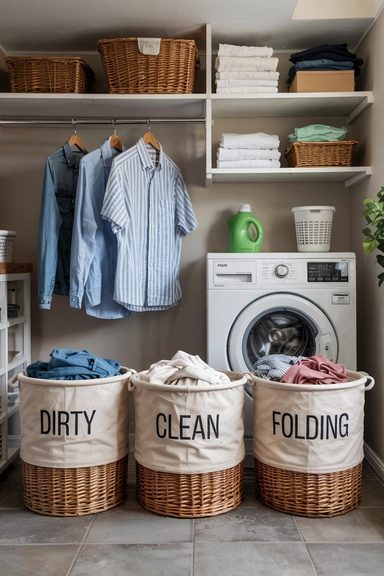
Laundry becomes stressful when clothes move randomly between chairs, floors, and baskets. A simple laundry flow system assigns clear zones for dirty clothes, clean clothes, and folding. Using separate baskets or labeled containers keeps each stage organized without extra furniture or expensive hampers.
Following the same flow every week prevents laundry pileups. Over time, washing cycles stay consistent, folding becomes faster, and bedrooms remain tidier. This proves that organizing your life for cheap often comes from simple process structure rather than new products.
21- WEEKLY MEAL PLANNING CORNER
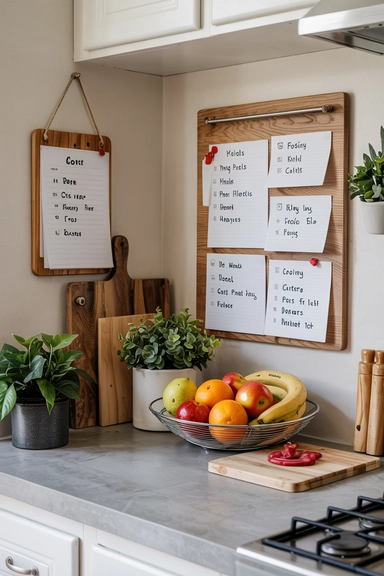
Daily meal decisions create mental clutter and last-minute grocery runs. A small meal planning corner with a notepad, calendar, or whiteboard keeps weekly food plans visible. Writing down meals and needed ingredients provides structure without using digital apps or costly planners.
Placing the planner in the kitchen keeps it part of daily routines. Over time, grocery trips become faster, food waste decreases, and cooking feels less stressful. This low-cost system supports healthier habits and demonstrates how organizing your life for cheap improves everyday efficiency.
22- PERSONAL DEVELOPMENT TRACKER
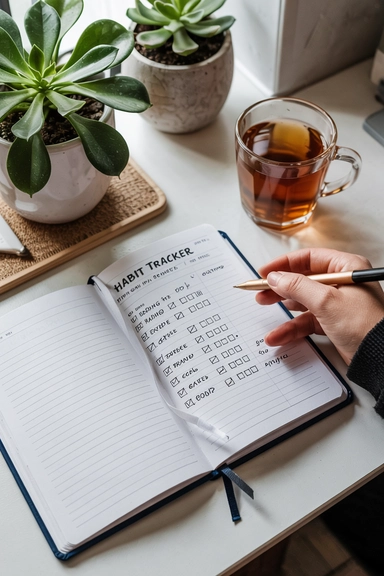
Goals feel overwhelming when they exist only in your mind. A simple personal development tracker using a notebook or wall chart helps organize habits, workouts, reading, or skill-building tasks. Writing progress down keeps motivation high and prevents forgetting commitments made to yourself.
Reviewing the tracker weekly reinforces consistency. Over time, small daily actions build into long-term results, and life feels more intentional. This is a powerful example of organizing your life for cheap through awareness and simple record-keeping rather than paid tools.
23- MONTHLY DECLUTTER CHECKPOINT

Clutter returns when possessions are never reviewed. A monthly declutter checkpoint sets a recurring time to remove unused items, reorganize spaces, and reset systems. This prevents slow buildup that leads to overwhelming mess later. No special tools are required — only a bag or box for donations or discards.
Making decluttering a scheduled habit keeps homes lighter and easier to manage. Over time, storage stays under control, cleaning becomes quicker, and organizing your life for cheap becomes a sustainable lifestyle rather than a one-time effort.
CONCLUSION
Organizing your life doesn’t require expensive products or complex systems. Simple, repeatable habits create structure for both spaces and routines. When small systems work together, clutter loses its grip and daily life feels smoother. By applying practical, low-cost methods consistently, you reduce stress, save time, and maintain long-term order. Organizing your life for cheap is ultimately about building habits that keep everything — and everyone — moving with ease.