
A craft room succeeds when creativity flows without the constant interruption of searching, shifting, and clearing surfaces. Disorder quickly consumes small workspaces, making projects feel heavier than they are. Craft room ideas that prioritize structured storage, defined work zones, and visible supply systems create an environment where tools return to place naturally. The objective is not decoration, but practical spatial rhythm that supports repeated use. When storage and workflow align, creative energy stays focused on making rather than managing mess. For supply-focused layout strategies that strengthen this foundation, explore 21 Craft Closet Organization Ideas That Keep Supplies Visible.
1. Pegboard Tool Walls That Keep Essentials Within Reach
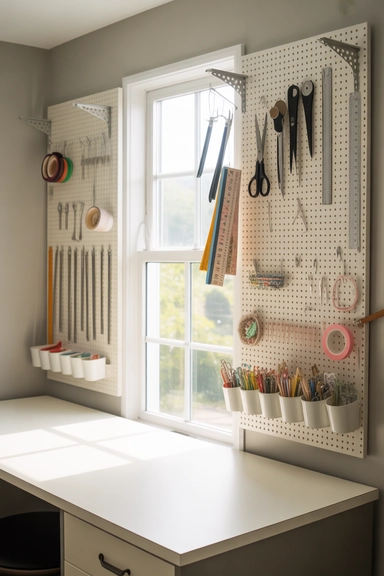
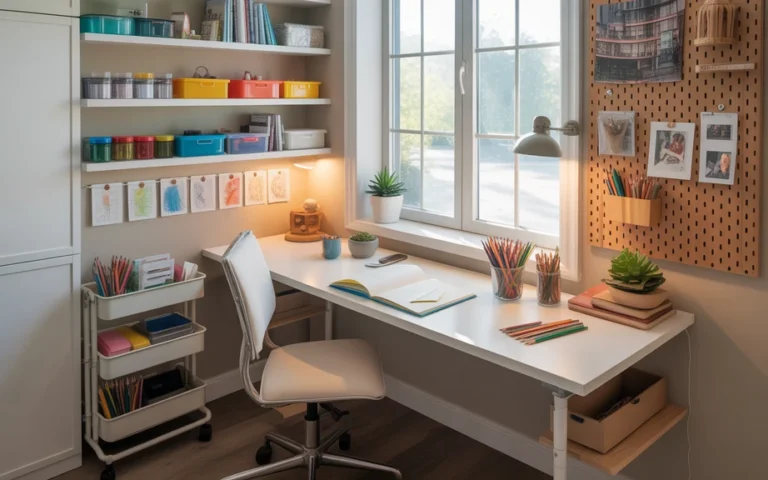
Wall space often remains underused while tables collect scattered tools. A pegboard wall converts a blank surface into a functional vertical workstation. Hooks hold scissors, rulers, cutting tools, and tapes, while small hanging cups contain clips, pins, and beads. This keeps frequently used tools visible and reachable without covering the desk. The vertical layout also shortens setup time because tools remain in fixed positions rather than buried in drawers.
Spacing hooks intentionally prevents visual overcrowding. Grouping tools by activity zone keeps the board readable and efficient. Neutral pegboard colors help the display blend into the background instead of becoming décor clutter. Craft room ideas built around pegboard systems restore clear work surfaces and consistent tool access.
2. Zoned Worktables That Separate Cutting, Assembling, and Finishing
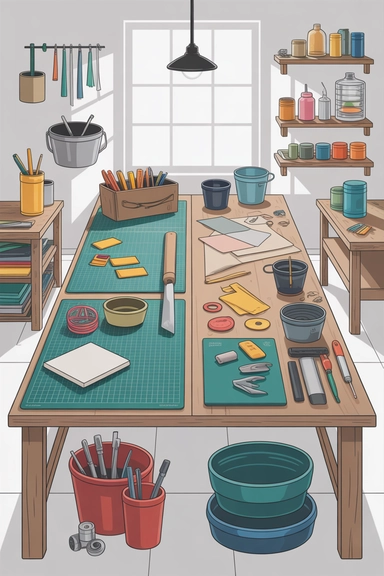
Single-surface worktables often become chaotic because every project stage competes for the same space. Dividing a table into dedicated zones creates predictable workflow. One side remains clear for cutting, another for assembly, and a third for drying or finishing. Simple surface mats or removable boards define these zones without permanent fixtures.
Keeping only task-specific tools in each zone prevents item migration across the table. Under-table shelves or bins store supporting materials nearby without surface takeover. Craft room ideas that introduce zoned workstations reduce mid-project cleanups and preserve creative momentum.
3. Clear Drawer Systems for Small Supply Categorization
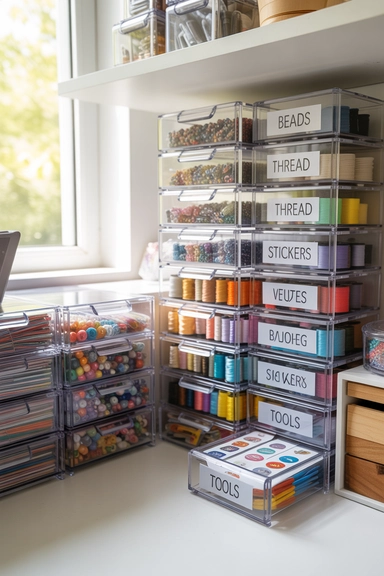
Small craft materials become time-consuming obstacles when mixed together. Transparent drawer systems create instant visual inventory for beads, threads, charms, stickers, and fasteners. Each drawer becomes a defined category, eliminating rummaging and accidental repurchasing of forgotten supplies. Stacking drawers vertically also preserves valuable floor and shelf space.
Labeling drawer fronts reinforces long-term order. Positioning high-use drawers at seated height keeps movement efficient. Craft room ideas focused on transparent drawer storage support quick decision-making during project work while preventing micro-item chaos.
4. Wall-Mounted Shelf Ledges for Frequently Used Materials
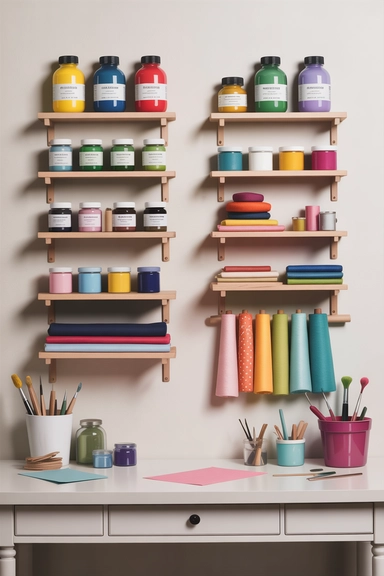
Shelving that projects too deeply into a room disrupts movement in compact craft spaces. Shallow wall-mounted ledges provide just enough depth for paint bottles, jars, ribbon spools, or folded fabric without intruding into workspace pathways. Items remain visible, reducing forgotten stock, while work surfaces stay free for active projects.
Aligning ledges in vertical columns maintains clean wall structure. Using uniform containers prevents color and shape clutter across the display. Craft room ideas that rely on shallow vertical shelving achieve storage density without visual heaviness.
5. Mobile Storage Carts That Follow the Workflow
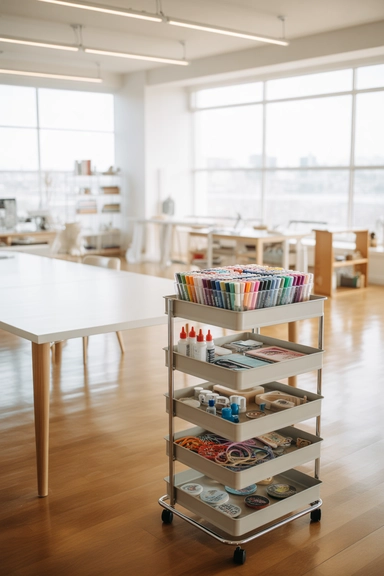
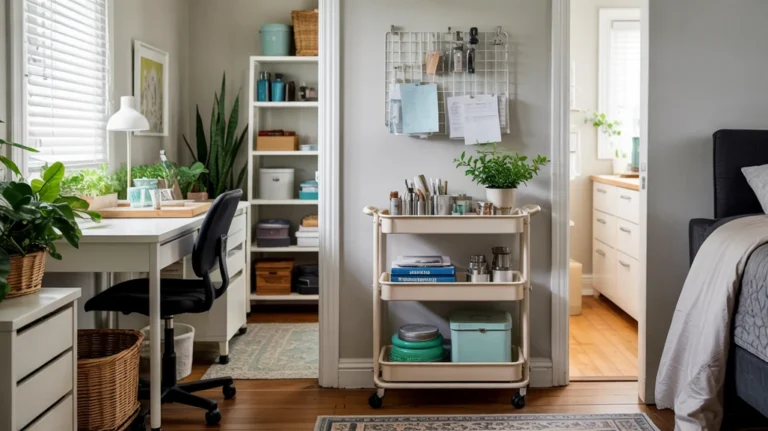
Projects rarely stay in one place from start to finish. A mobile storage cart keeps active supplies moving with the workflow instead of spreading across surfaces. Markers, adhesives, embellishments, and small tools stay organized in tiered trays that roll beside the workstation when needed and tuck away when not.
Assigning each tray a supply category prevents mixing during movement. Keeping heavier items on lower tiers ensures stability. Craft room ideas that incorporate rolling storage reduce repeated setup time and keep creative spaces adaptable.
6. Vertical Paper Storage That Prevents Curling and Creasing
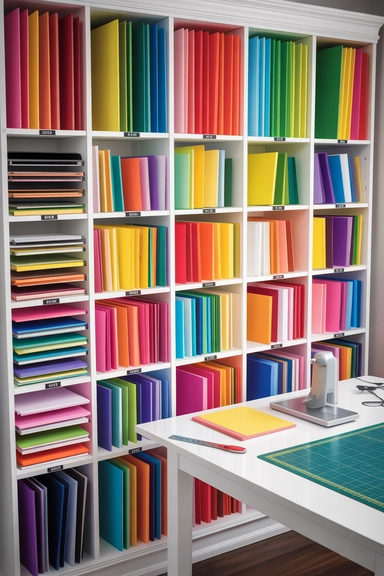
Paper and vinyl sheets quickly become unmanageable when stacked flat. Vertical paper storage keeps sheets upright, separated, and easy to browse without disturbing entire piles. Standing organizers or divided shelves allow sorting by size, color, or material type. This prevents bent corners, curling edges, and accidental tearing during selection.
Placing vertical paper slots near cutting zones reduces movement during projects. Balanced spacing keeps sheets supported without tight compression. Craft room ideas that introduce upright paper storage maintain material quality while keeping selection effortless and surfaces free from stacked piles.
7. Hanging Project Boards for Work-in-Progress Control
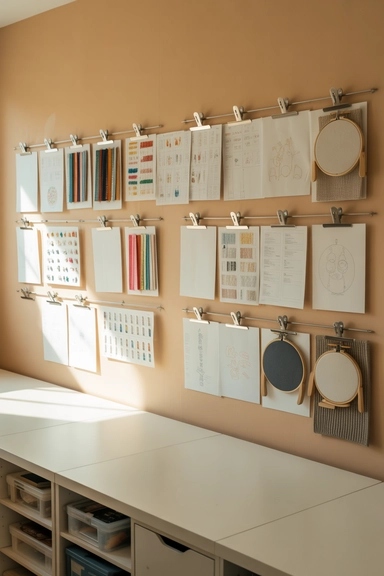
Ongoing projects often take over tabletops for days, limiting available workspace. Hanging project boards or clip rails move unfinished work onto the wall, keeping pieces flat, visible, and protected. Instructions, sketches, and partially assembled elements stay together without occupying active work surfaces.
Grouping boards by deadline or project type keeps workflow predictable. Mounting them above the main workstation allows quick reference without desk interference. Craft room ideas that include vertical project-holding systems prevent workspace paralysis during multi-day creations.
8. Fabric and Felt Bins That Keep Textiles Visible
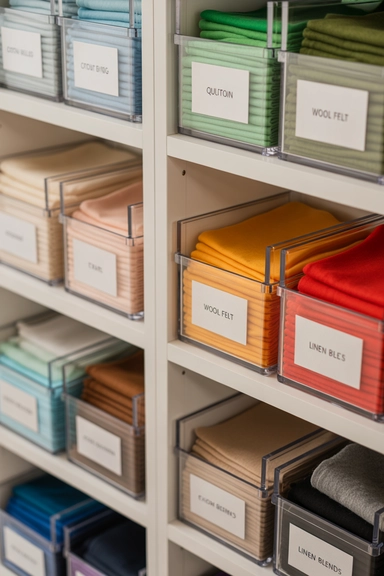
Fabric scraps and felt sheets become chaotic when folded into opaque containers. Open or clear-front bins allow instant visibility of colors and textures while keeping stacks contained. Arranging bins vertically on shelving preserves floor space and prevents fabric from being crushed under heavier supplies.
Sorting by color families or fabric weight speeds design decisions. Adding light dividers inside bins prevents shifting over time. Craft room ideas that prioritize visible textile storage support faster creative planning and protect delicate materials.
9. Door-Back Organizers for Tools and Light Materials
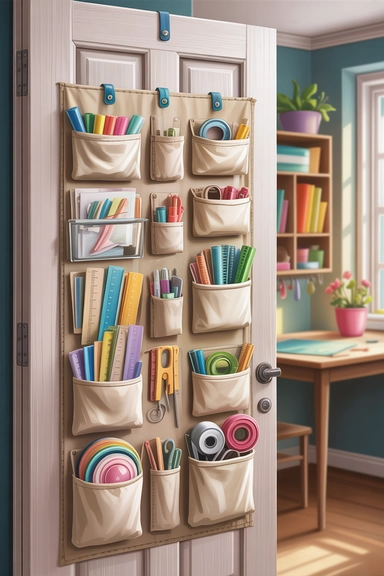
Door surfaces provide large vertical zones that often go unused. Hanging organizers on door backs introduce pocketed storage for ribbons, stencils, lightweight tools, and rolled materials. This keeps frequently accessed supplies reachable while removing them from desks and shelves.
Clear pockets prevent overfilling and forgotten contents. Assigning each row a single material category maintains order long term. Door-based storage pairs naturally with broader vertical strategies like those in 21 Washi Tape Organizing Ideas for a Tidy Craft Space, extending functional storage without consuming room volume. Craft room ideas that activate door space unlock capacity without adding furniture.
10. Labeling Systems That Sustain Long-Term Organization
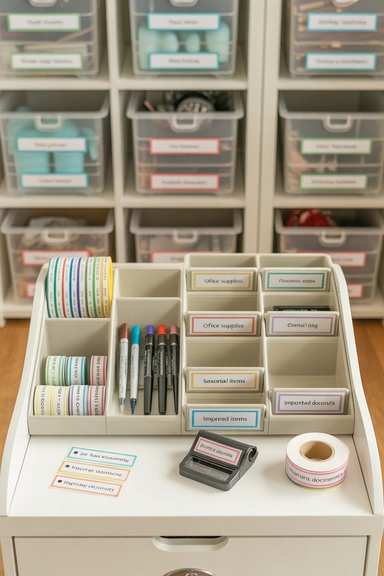
Even well-designed storage fails without consistent labeling. Clear tags, chalk labels, or printed markers ensure every drawer, bin, and shelf has an assigned purpose. This reduces decision fatigue during cleanup and keeps supplies returning to the correct location over time.
Keeping labeling tools in a dedicated station allows quick updates when storage evolves. Using consistent label styles avoids visual noise across the room. Craft room ideas that integrate labeling from the start protect organization systems from gradual breakdown.
11. Ceiling-Height Shelving That Captures Unused Wall Volume
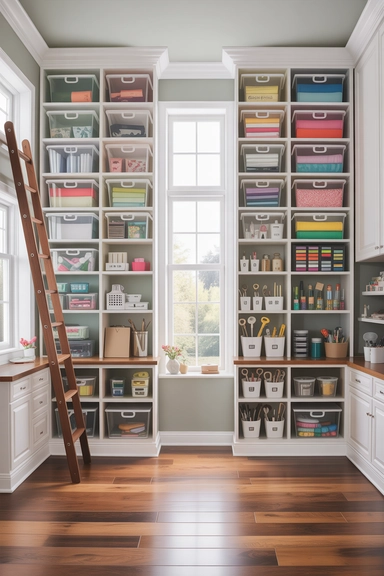
Craft rooms often rely on waist-height furniture while upper wall space remains empty. Ceiling-height shelving turns that unused vertical volume into valuable supply storage. Upper shelves hold seasonal materials, bulk paper packs, or rarely used tools, while mid-level shelves store daily essentials. This keeps floor and desk areas free from overflow that typically creeps in during busy project periods.
Using uniform containers prevents upper shelves from becoming visual chaos. A small step stool stored nearby ensures safe access without disrupting room layout. Craft room ideas that extend storage to ceiling height dramatically increase capacity without adding any new floor footprint.
12. Pull-Out Under-Desk Storage for Frequently Reached Supplies
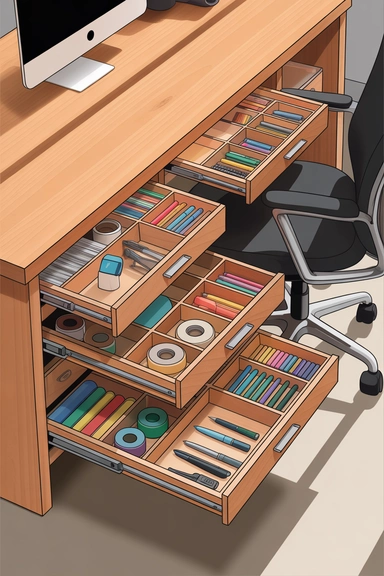
Desktops quickly become cluttered when tools have no nearby storage. Pull-out trays or shallow drawers installed beneath the work surface keep adhesives, pens, cutting tools, and measuring tapes within immediate reach but off the tabletop. This preserves a clear work area while reducing repetitive standing and searching during projects.
Separating drawers by tool type prevents mixing over time. Smooth sliding hardware ensures one-handed access while working. Craft room ideas that introduce under-desk pull-outs create an efficient workflow zone where tools appear only when needed.
13. Stackable Storage Cubes for Modular Room Layouts
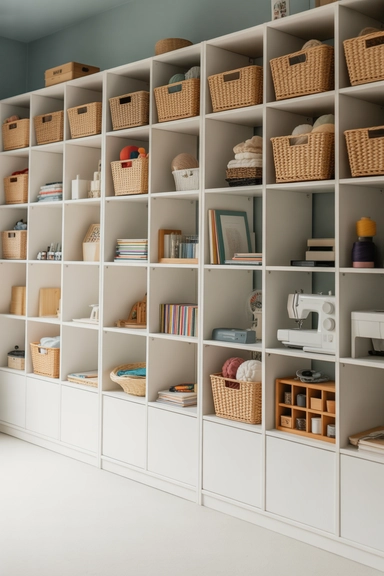
Fixed shelving limits how a craft room can evolve. Stackable cube units allow storage to grow vertically or rearrange horizontally as supply needs change. Each cube holds bins, books, machines, or folded materials, forming a customizable wall that adapts instead of becoming obsolete.
Securing stacked cubes prevents shifting and keeps tall arrangements safe. Matching finishes maintain visual consistency even as the layout expands. Craft room ideas built on modular cube systems provide long-term flexibility without replacing furniture.
14. Hanging Basket Rails for Quick-Grab Materials
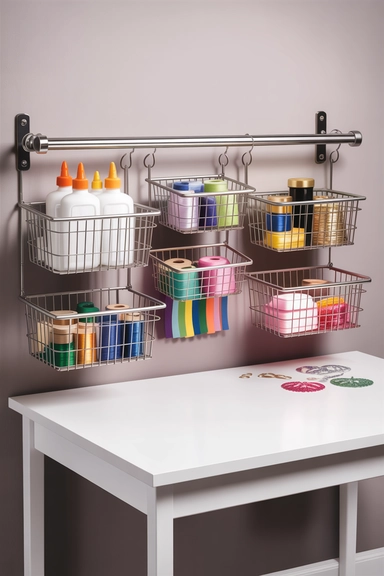
Small supplies often scatter because they lack lightweight holding zones. Hanging basket rails mounted along walls or shelving edges create instant storage for ribbons, glue bottles, thread spools, and embellishments. The open baskets keep items visible while preventing them from spilling across surfaces.
Assigning basket rows by supply category maintains clarity. Keeping heavier materials on lower baskets ensures stability. Craft room ideas that use hanging basket systems keep frequently grabbed materials accessible while protecting desk space.
15. Dedicated Cutting Stations with Built-In Tool Storage
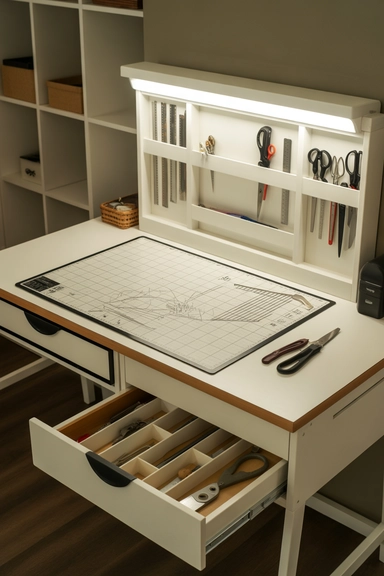
Cutting is central to most craft work, yet cutting tools often travel across the room. A dedicated cutting station with integrated side storage keeps mats, rulers, blades, and scissors in fixed positions. This prevents repeated setup and breakdown during multi-step projects.
Vertical slots for mats prevent warping. Shallow drawers hold spare blades safely away from other supplies. Craft room ideas that establish permanent cutting zones reduce workflow interruptions and protect both tools and materials.
16. Vertical Thread Racks That Keep Colors Instantly Visible
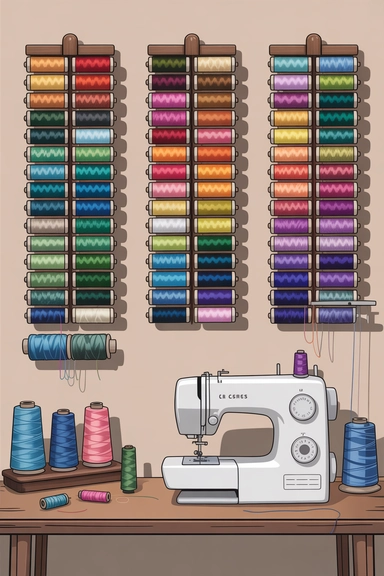
Thread storage becomes inefficient when spools hide inside boxes or drawers. Vertical thread racks mounted on walls or peg panels display every color at once, turning thread selection into a visual process instead of a search task. Each spool rests on its own peg, preventing tangling and unwinding while keeping the collection organized by shade or project type.
Spacing pegs evenly avoids crowding and allows easy removal during sewing. Mounting the rack near the machine keeps workflow uninterrupted. Craft room ideas that introduce vertical thread displays protect delicate materials while speeding up creative decision-making.
17. Rolling Drawer Towers for Mobile Micro-Storage
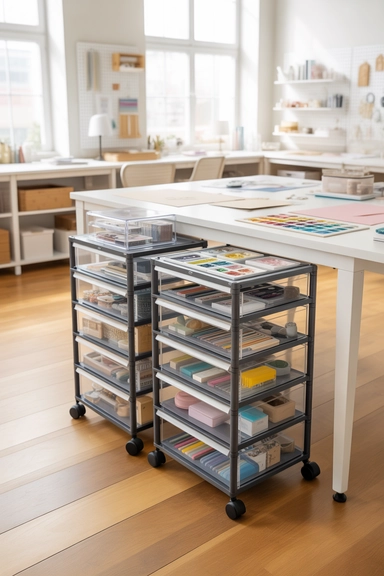
Small embellishments, stamps, and specialty tools benefit from contained mobility. Rolling drawer towers provide multiple shallow compartments in a compact vertical unit that moves wherever work is happening. During projects, the tower stays beside the desk. When finished, it rolls into a corner without occupying permanent workspace.
Transparent drawers prevent forgotten supplies. Dividing drawers by category keeps retrieval fast. Craft room ideas that include mobile drawer towers support flexible layouts where storage follows activity rather than anchoring it.
18. Overhead Shelf Rails for Lightweight Display and Storage
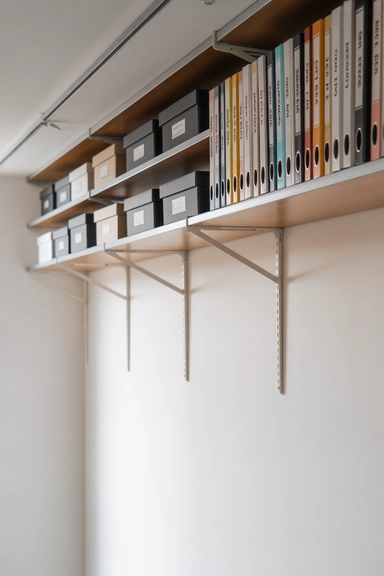
Upper wall zones near ceilings often remain visually empty but structurally useful. Overhead shelf rails create slim platforms for lightweight storage such as pattern binders, labeled boxes, or inspirational décor pieces. This keeps rarely used items accessible without burdening lower storage zones.
Keeping shelf depth shallow prevents heaviness above eye level. Using uniform containers maintains visual calm. Craft room ideas that employ overhead shelving increase capacity while preserving a clean, spacious feeling below.
19. Magnetic Tool Bars for Metal Cutting and Craft Tools
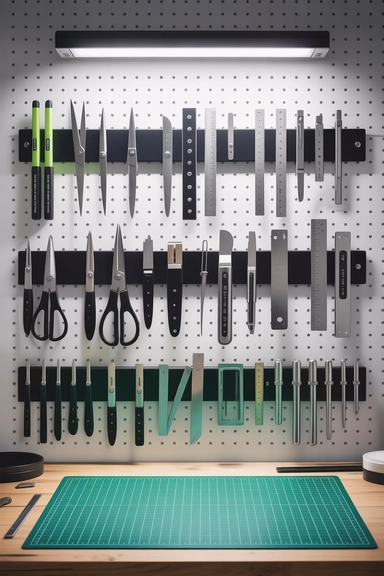
Metal tools become safety hazards when scattered across worktables. Magnetic tool bars mounted on walls keep craft knives, scissors, rulers, and metal dies securely held in visible alignment. This improves safety, prevents tool damage, and keeps cutting surfaces completely clear.
Arranging tools by size or frequency of use maintains predictable order. Installing bars at arm height ensures ergonomic reach. Craft room ideas that integrate magnetic tool storage combine safety, visibility, and spatial efficiency.
20. Fold-Down Wall Work Surfaces for Temporary Expansion
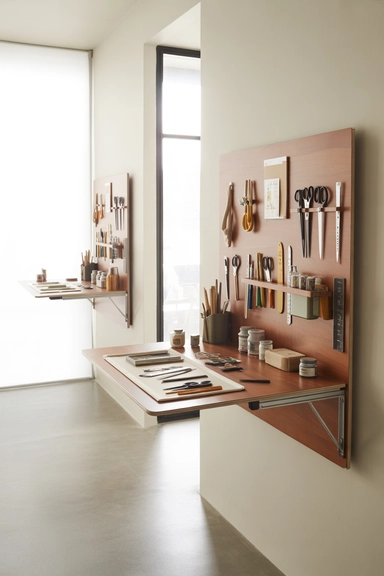
Even organized craft rooms occasionally need extra workspace. Fold-down wall surfaces provide temporary table extensions that disappear when not required. Integrated shallow shelves inside the folded panel hold small tools or current project items, keeping everything together in one vertical unit.
Strong hinges and wall anchors ensure stability during use. Matching wall finishes keep the folded panel visually quiet. Craft room ideas that incorporate collapsible work surfaces create adaptable rooms without permanent space sacrifice.
21. Supply Intake Zones That Prevent New Clutter from Spreading
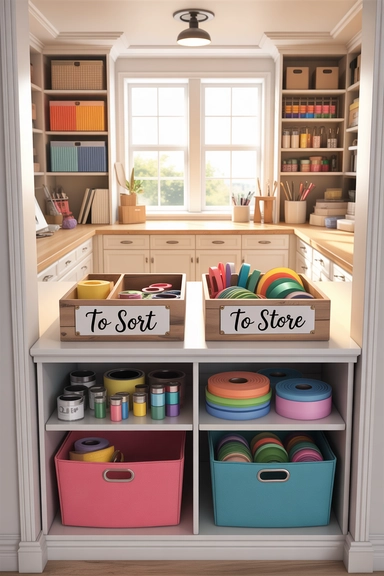
Most craft rooms become disorganized not during projects, but when new supplies enter the space without an assigned landing system. A dedicated intake zone solves this. A small shelf, tray system, or sorting bin near the room entrance temporarily holds new materials until they are labeled and placed into permanent storage. This prevents bags, packages, and loose items from migrating to worktables or floors.
Separating intake into “to file,” “to store,” and “to use next” sections keeps decisions simple. Keeping this zone visually contained ensures it never becomes a secondary clutter hotspot. Craft room ideas that include intake control systems protect the entire organization structure from gradual breakdown.
Conclusion
An organized craft room is not defined by décor, but by predictable movement and effortless access to tools. Craft room ideas that prioritize vertical storage, defined zones, and visible systems allow creativity to flow without constant resetting of space. When every supply has a designated home and every workflow has a planned path, the room becomes a supportive environment rather than a management task. With thoughtful structure in place, creative focus remains on making, not on clearing space to begin.