
Introduction
Attics often become storage by default rather than by design. Items are moved upward quickly, stacked without logic, and forgotten until the space becomes difficult to navigate or unsafe to use. The problem is not access alone but a lack of structure, visibility, and load planning. Attic organizing hacks that truly work treat the attic as a controlled storage environment rather than a dumping ground. When storage respects weight limits, movement paths, and retrieval habits, wasted attic space becomes reliable, usable storage. Many of these principles overlap with wall organizer ideas that keep surfaces clutter-free, where vertical control and restraint determine long-term success.
1. Start by Creating Clear Walk Paths Before Adding Storage
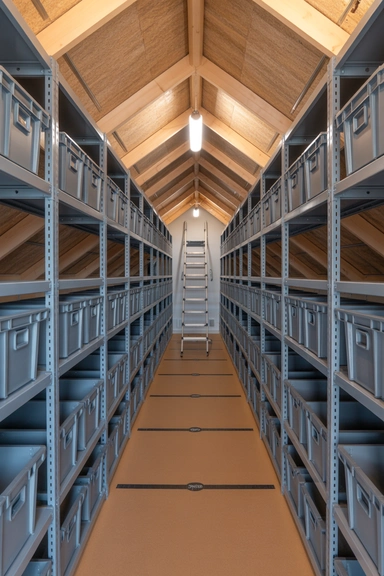
An attic becomes unusable the moment movement is compromised. Before adding shelves or bins, a clear walk path should be defined from the access point to the farthest usable area. This path prevents unsafe stepping, reduces accidental damage, and sets the foundation for all storage placement. Without it, even well-labeled storage becomes difficult to reach and maintain.
The walk path should remain visually obvious, not implied. Flooring panels, consistent spacing, or aligned storage edges help maintain orientation in low-light conditions. When movement is protected first, storage naturally stays contained to the sides instead of creeping into central access zones over time.
2. Use Attic Organizing Hacks That Respect Weight Distribution
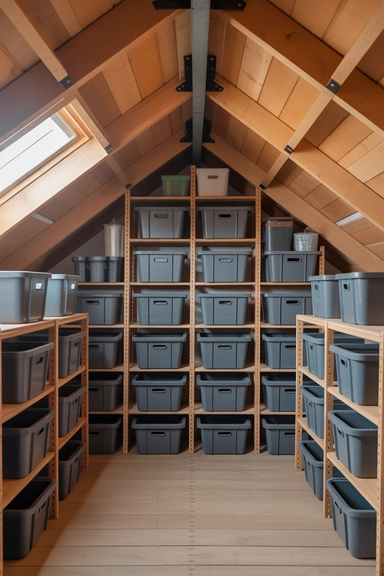
Attic floors are not designed for uneven or concentrated loads. Storage that ignores weight distribution creates long-term structural risk. Heavier items should be positioned closer to load-bearing points, while lighter seasonal or archival items can move outward. This approach turns random stacking into deliberate placement.
Uniform containers help regulate weight more effectively than mixed boxes. When storage weight is predictable, planning becomes easier and safer. Attics that feel stable underfoot encourage regular use instead of avoidance, which is critical for keeping storage systems functional rather than forgotten.
3. Replace Random Boxes With Uniform, Stack-Safe Containers
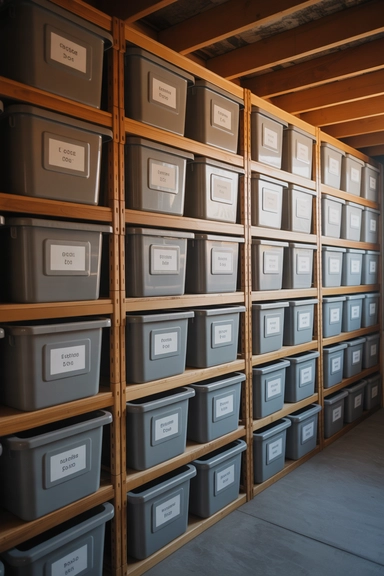
Random box sizes are one of the fastest ways to waste attic space. Inconsistent containers prevent efficient stacking and create unstable towers that collapse or block access. Uniform, stack-safe containers allow vertical storage to rise safely while maintaining predictable spacing.
Clear or consistently labeled containers improve retrieval without digging. This principle mirrors home file organization ideas you need to try, where visibility and consistency reduce friction. When container systems are standardized, the attic stops functioning as overflow and starts working like an intentional archive.
4. Anchor Storage Along the Eaves Instead of the Center
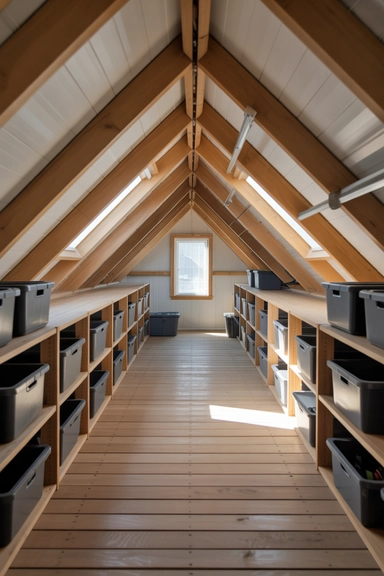
The center of the attic should remain visually and physically open whenever possible. Storage placed in the middle disrupts movement and increases the chance of stepping errors. Anchoring storage along eaves or perimeter walls preserves headroom and keeps the central zone navigable.
Low-profile shelving or bins that follow roof angles maximize awkward space without forcing upright movement. This method captures storage volume where standing is already limited, turning structural constraints into functional zones rather than obstacles.
5. Group Items by Retrieval Frequency, Not Category
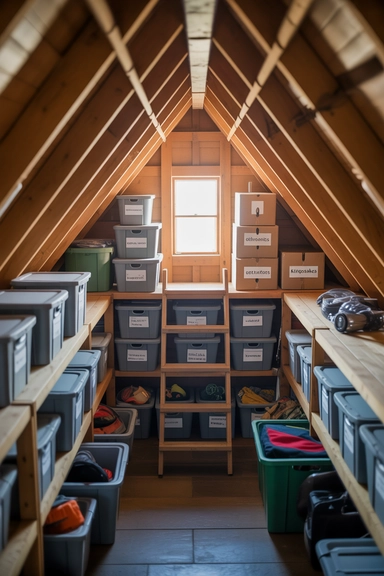
Category-based storage often fails in attics because retrieval effort varies. Items used once a year should not block items accessed monthly. Grouping storage by how often it is retrieved keeps frequently needed items closer to access points and reduces unnecessary movement.
This habit-based system prevents reshuffling and accidental disorder. When retrieval logic is respected, items return to their original place more reliably. The attic remains organized because the system aligns with real behavior rather than ideal labeling.
6. Use Low-Profile Shelving to Protect Headroom
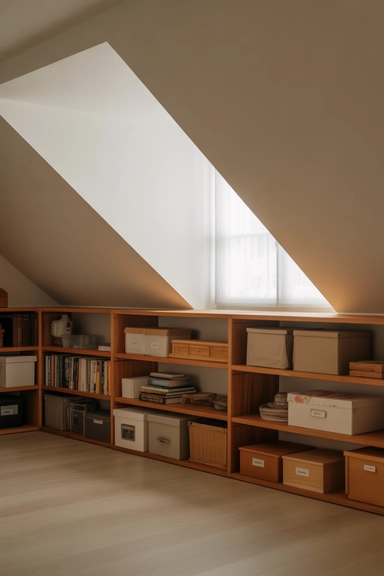
Attics rarely offer consistent ceiling height, which makes standard shelving impractical. Low-profile shelving respects headroom limitations while still creating structured storage zones. When shelves stay below knee or waist height, movement remains safer and less mentally taxing, especially in spaces with sloped roofs or exposed rafters.
Low shelving also improves visual orientation. Items remain visible without requiring crouching or awkward reaches. This reduces the tendency to stack items on top of shelves, which often leads to instability. By keeping storage grounded and contained, the attic feels controlled rather than compressed.
7. Label Storage Based on Function, Not Contents
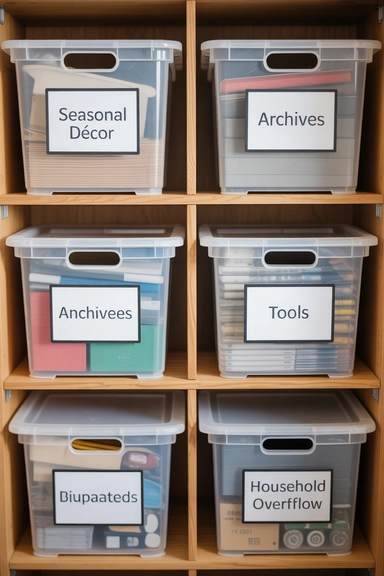
Attic storage labels often fail because they are too specific. Labels listing exact contents become outdated quickly, leading to misplacement and digging. Functional labels—such as seasonal decor, archives, repair materials, or overflow supplies—age better and support long-term organization.
Function-based labeling aligns with retrieval intent rather than inventory precision. When labels describe purpose, users know where items belong even if contents shift slightly. This keeps the system resilient over time and prevents the attic from reverting into a mixed-storage zone.
8. Keep Climate-Sensitive Items Isolated
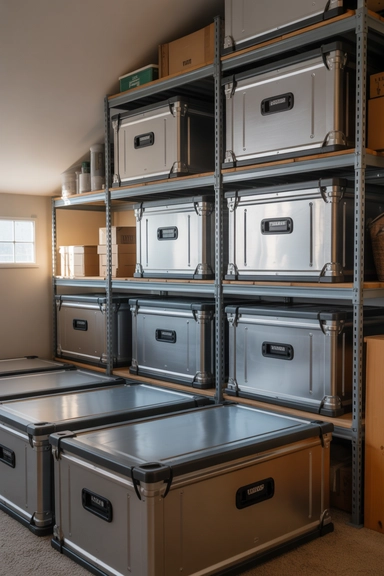
Attics experience the most extreme temperature swings in a home. Items sensitive to heat, humidity, or cold should be isolated or removed entirely. Fabrics, electronics, paper, and adhesives degrade faster when mixed with general storage.
Using sealed, insulated containers for climate-sensitive items reduces damage risk. Placement matters as well; keeping these items closer to interior walls rather than exterior edges provides more stability. This selective approach preserves valuable items while allowing the attic to handle durable storage confidently.
9. Use Clear Sightlines to Prevent Forgotten Storage
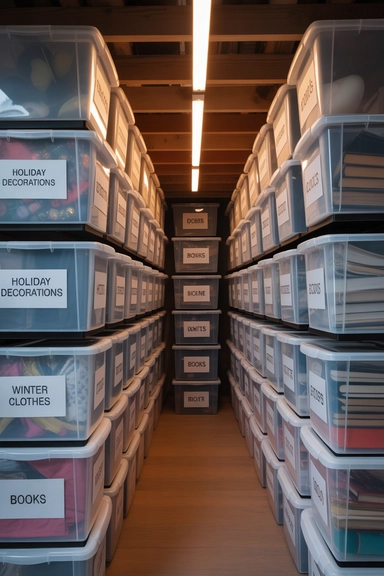
Out of sight often becomes out of mind in attic spaces. When storage blocks sightlines, items are forgotten and replaced unnecessarily. Maintaining clear visual paths across storage zones helps users remember what already exists before adding more.
Transparent containers, consistent bin heights, and open spacing between zones support visibility. When storage reads at a glance, the attic functions as a reference point rather than a black hole. This reduces duplication and keeps storage volume stable over time.
10. Assign One Purpose to Each Attic Zone
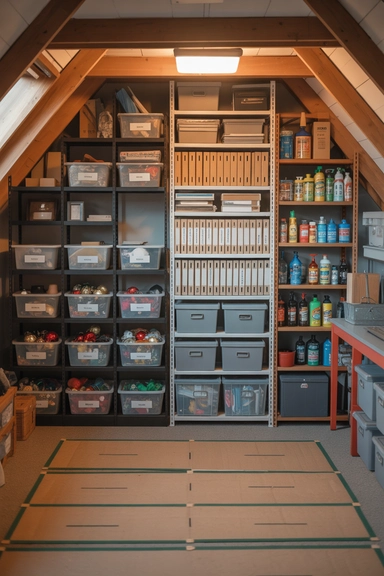
Multi-purpose zones lead to disorder quickly. When one area holds decor, tools, memorabilia, and random overflow, retrieval becomes frustrating and maintenance collapses. Assigning a single purpose to each zone simplifies decisions and reinforces boundaries.
Zones should follow physical logic, such as access ease and ceiling height. Once zones are defined, items migrate less. The attic becomes segmented, readable, and easier to reset after use, which is essential for long-term organization.
11. Avoid Floor Piling by Elevating All Storage

Items placed directly on attic floors invite moisture damage and visual chaos. Elevating storage using shelving, pallets, or raised platforms protects contents while restoring order. Even a few inches of lift improves airflow and reduces risk.
Elevated storage also reinforces system discipline. When nothing touches the floor, disorder becomes immediately visible and easier to correct. This simple elevation rule prevents gradual breakdown and keeps the attic functioning as usable storage rather than a dumping surface.
12. Store Long-Term Items at the Farthest Reach Points

Items meant for long-term storage should live at the deepest points of the attic, not near the entry. When rarely used belongings sit closest to access points, they create unnecessary barriers that complicate routine retrieval. Pushing long-term storage outward preserves efficiency and keeps the attic usable for everyday needs.
This approach mirrors how deep kitchen cabinet organization ideas that actually work separate daily-use items from bulk or backup storage. Distance becomes a filter. The farther an item is stored, the less frequently it should be needed. This spatial logic prevents constant reshuffling and keeps access zones clear.
13. Use Identical Bin Sizes to Preserve Stack Integrity
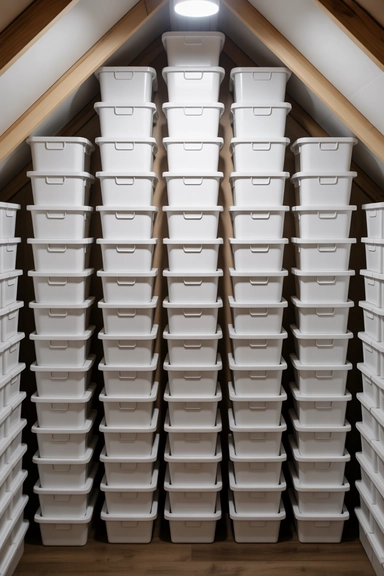
Stack integrity determines whether attic storage stays upright or collapses over time. Mixing bin sizes creates uneven pressure points, increasing the risk of shifting and falls. Identical bins distribute weight evenly and lock into stable vertical stacks.
Uniform sizing also simplifies planning. When every container shares dimensions, storage becomes modular and predictable. Gaps disappear, and vertical space is used efficiently without improvisation. The attic starts functioning as a system rather than a collection of individual decisions.
14. Create Buffer Space Between Storage Rows

Storage rows placed too close together restrict movement and reduce visibility. Buffer space between rows allows safer access, easier scanning, and less disruption during retrieval. Even small gaps improve usability in tight attic layouts.
These buffer zones also protect storage from accidental contact. When bins are not constantly brushed or bumped, stacks remain aligned. The attic feels calmer and more navigable because movement and storage are clearly separated rather than competing for the same space.
15. Avoid Using the Attic for Mixed-Condition Storage
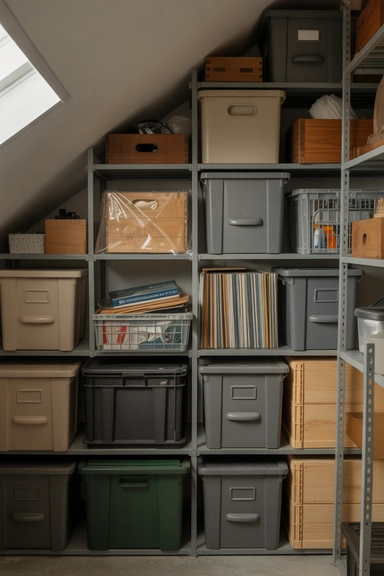
Mixing fragile, climate-sensitive, and durable items in the same zone increases risk across all categories. Attics perform best when used for items that share similar durability requirements. Separating storage by condition tolerance prevents one compromised item from affecting others.
When mixed-condition storage is unavoidable, durable items should act as buffers. Placing sturdier storage along edges or exposed areas protects sensitive items from environmental stress. This layered approach adds resilience without requiring major structural changes.
16. Keep Retrieval Tools Stored at the Access Point
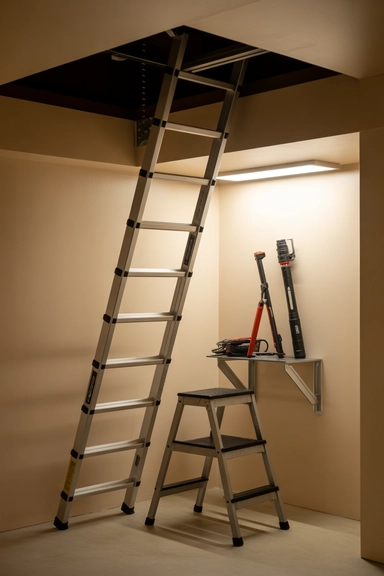
Ladders, step stools, or grab tools should always live at the attic entry. When retrieval tools are stored inside the attic, accessing them becomes circular and unsafe. Keeping tools immediately available reduces hesitation and improper climbing.
This simple habit lowers accident risk and encourages regular use of the attic rather than avoidance. When access feels straightforward, storage systems are more likely to be maintained instead of abandoned.
17. Document Storage Layouts for Quick Reference
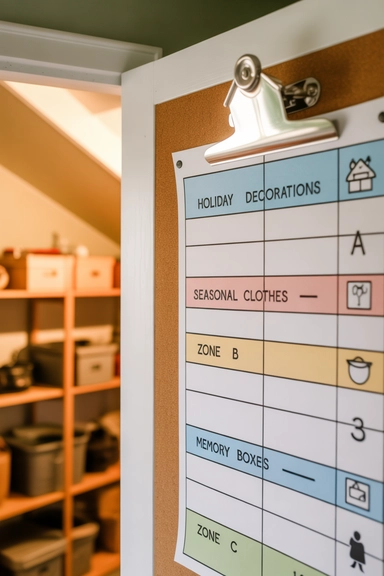
Attic storage often fails because memory fades. Documenting storage layouts with a simple map or list near the access point eliminates guesswork. This reference reduces unnecessary searching and keeps storage zones respected.
Documentation is especially valuable in shared households. When everyone understands where items live, disorder slows dramatically. The attic remains functional even when users change or time passes.
18. Keep Seasonal Categories Physically Separated
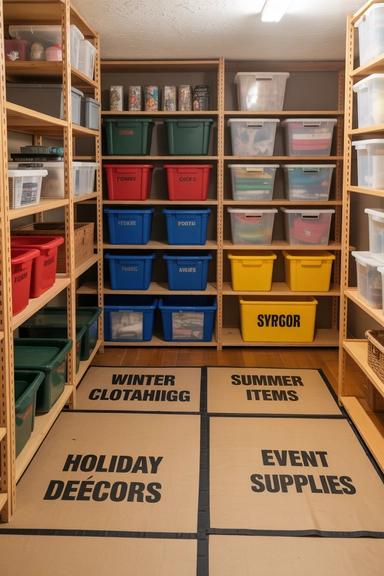
Seasonal items create chaos when they overlap. Holiday décor, seasonal clothing, and event-specific supplies should never share zones, even if used at similar times of year. Physical separation prevents cross-stacking and accidental burying, which often turns seasonal retrieval into a full attic reshuffle.
Clear boundaries between seasons make rotation predictable. When one category leaves and another arrives, storage remains intact. This separation also limits the temptation to stack “just one more box” into the wrong area, preserving long-term order.
19. Use Visual Markers to Define Storage Limits
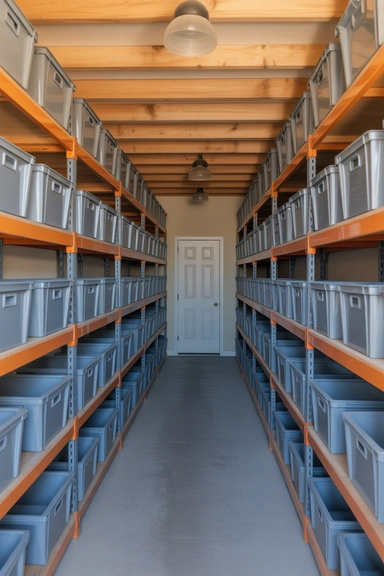
Attics benefit from clear visual stop points. Without them, storage gradually expands until access and balance are compromised. Visual markers—such as floor tape, shelf edges, or consistent bin rows—signal where storage should end.
These markers act as silent rules. When limits are visible, overfilling becomes obvious and easier to resist. The attic stays usable because expansion is controlled rather than accidental. Visual boundaries protect both safety and organization without adding complexity.
20. Reserve One Empty Zone for Future Storage
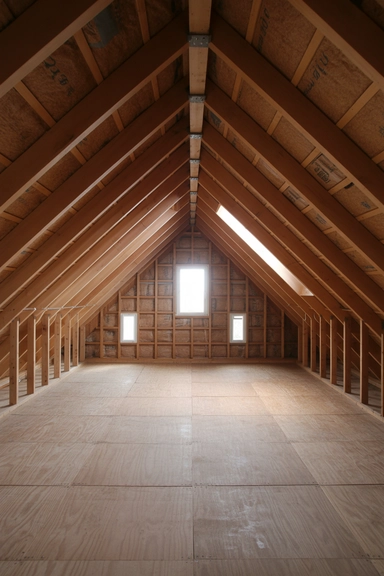
An attic without reserve space quickly collapses under growth. Leaving one intentionally empty zone creates a buffer for future needs without disturbing existing systems. This space absorbs change without triggering reorganization elsewhere.
Reserve zones reduce pressure on current storage. Instead of squeezing items into already full areas, new additions have a clear destination. This foresight keeps the attic flexible and prevents the slow return of disorder.
21. Treat the Attic as a System, Not a Holding Area

The most effective attic organizing hacks succeed because the attic is treated as a system with rules, not a temporary holding area. Every zone, path, and container serves a defined role. When systems replace improvisation, maintenance becomes minimal.
This mindset shift changes behavior. Items are returned correctly because the structure supports it. The attic remains usable over time, not just after a cleanup. Wasted space becomes dependable storage because it is governed, not guessed.
Conclusion
Attics become valuable when storage decisions are deliberate rather than reactive. Clear paths, weight-aware placement, consistent containers, and defined zones transform unused overhead space into reliable storage. These attic organizing hacks work because they prioritize safety, visibility, and long-term maintenance over quick fixes. When the attic is treated as a structured system, it stops being forgotten space and becomes a stable extension of the home that supports storage needs without constant correction.