
Introduction
Paper clutter has a way of quietly building up in every home. Mail piles on kitchen counters, school papers fill drawers, receipts hide in random stacks, and important documents get mixed with things you no longer need. Without a clear system, paperwork quickly becomes overwhelming. The best paper clutter organization ideas focus on creating simple sorting habits, practical storage solutions, and easy filing systems that keep papers from spreading across your home. With a few intentional changes, you can finally organize desk papers, manage mail, and keep important documents accessible without letting paper clutter take over your space. If you’re building a long-term system for storing documents, these 20 Clever Home File Organization Ideas You Need to Try can help you create a structured filing setup that keeps paperwork easy to find.
1. Create a Simple Mail Sorting Station
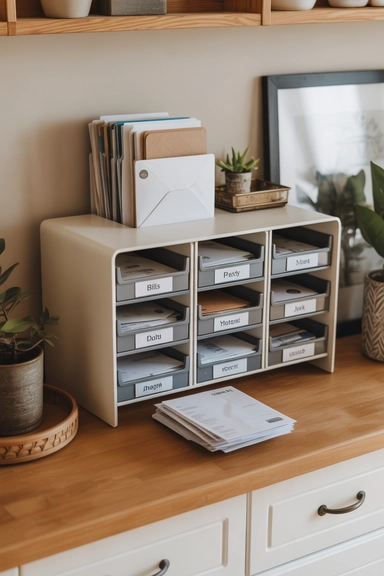
One of the biggest sources of paper clutter is daily mail that lands on kitchen counters, desks, or entry tables. Creating a dedicated mail sorting station immediately prevents these papers from spreading throughout the house. A small countertop mail organizer with labeled sections for bills, important documents, and recyclable mail makes it easier to sort papers the moment they enter your home. Instead of letting envelopes pile up, every piece of mail immediately has a place.
This type of paper clutter organization system works especially well on kitchen counters or entryway tables where mail usually collects. A countertop mail holder or small wall-mounted organizer can keep documents visible while still looking tidy. Over time, this simple sorting habit becomes part of your routine, helping you stay on top of paperwork without letting small stacks turn into overwhelming piles.
2. Use a File Organization System for Important Documents
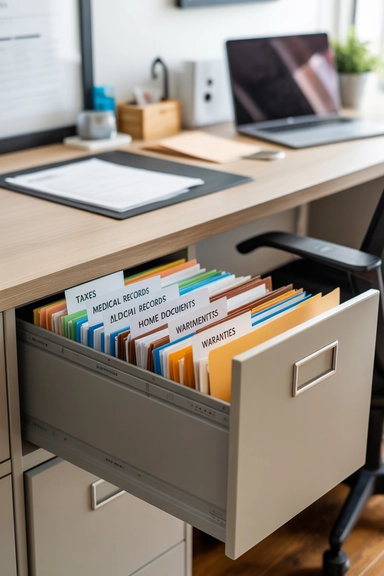
Important documents such as tax papers, warranties, medical records, and contracts should never be mixed with everyday paper clutter. Creating a structured file organization system ensures that essential paperwork is easy to find when you need it. File folders stored in a filing box or cabinet allow documents to be categorized clearly so they don’t get lost among other papers.
Labeling each file category makes the system even more effective. Sections for taxes, insurance documents, home records, and financial statements keep paperwork organized long-term. Many people also use color-coded folders to quickly identify categories. When your file organization ideas focus on clear labeling and simple categories, maintaining the system becomes much easier and prevents important papers from becoming part of the clutter.
3. Organize Desk Papers with Daily Paper Trays
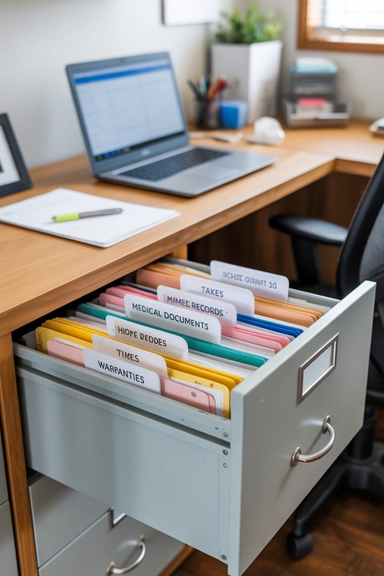
Desks often become magnets for loose papers, receipts, notes, and unfinished documents. Instead of letting these items accumulate, a simple tray system can help control desk clutter. Using two or three trays labeled “Action,” “To File,” and “Shred” creates an immediate sorting method that keeps papers organized as they arrive.
This system is particularly helpful when learning how to organize desk papers because it separates tasks instead of allowing everything to sit in one pile. Papers that require attention stay visible in the action tray, while documents ready for storage move to the filing tray. Over time, this habit prevents desk surfaces from becoming buried under paper clutter and keeps your workspace much more manageable.
4. Create a Paper Management Basket for Temporary Storage
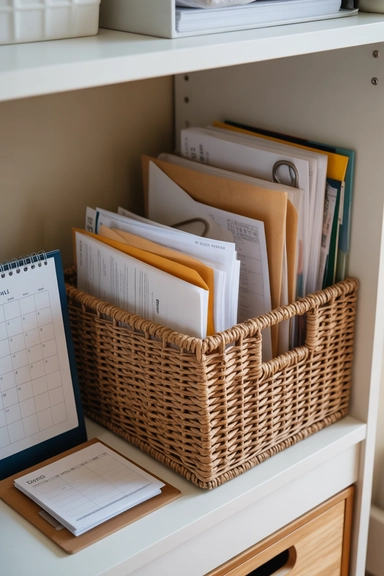
Not every piece of paper can be sorted immediately. Some documents require review, signatures, or short-term storage before they can be filed or discarded. A designated paper management basket gives these temporary papers a controlled place to live so they don’t end up scattered across counters or tables.
The basket can sit in a home office, kitchen command center, or family workspace where paperwork is commonly handled. Using one container prevents papers from spreading across multiple areas of the house. When the basket fills up, it signals that it’s time to review and organize the contents. This simple paper management strategy keeps temporary documents contained while maintaining overall organization.
5. Set Up a Kids’ School Paper Organization System
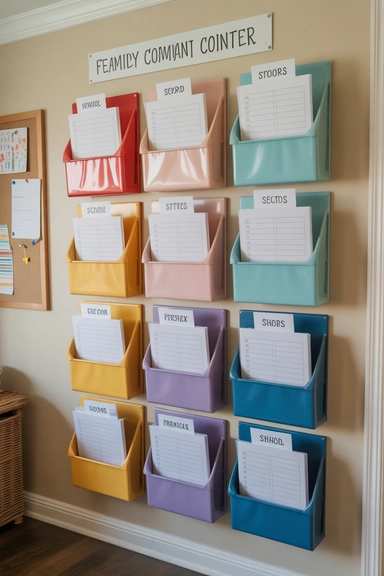
School papers are one of the most common sources of paper clutter in family homes. Homework sheets, art projects, permission slips, and report cards often arrive daily and quickly accumulate on kitchen counters. Creating a kids school paper organization system helps control this constant flow of paperwork.
A small wall organizer or file box with labeled folders for each child can keep school documents organized. Sections for homework, completed assignments, and keepsake papers make it easier to manage what should be saved and what can be discarded. By sorting school papers as soon as they enter the home, parents can prevent stacks from building up while still preserving the most meaningful items.
6. Create a Kitchen Counter Paper Organizer
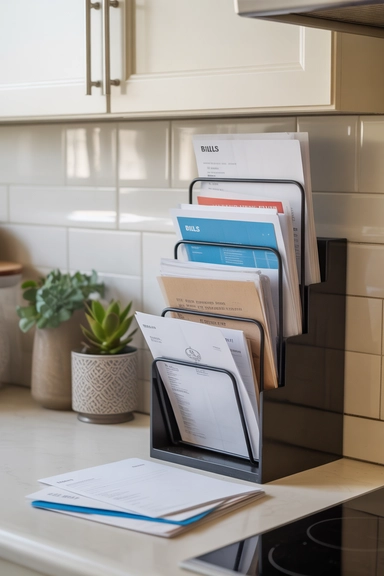
Kitchen counters often become the default landing spot for mail, receipts, school papers, and random documents. A dedicated paper organizer for the kitchen counter helps control this clutter before it spreads across the entire surface. Using a vertical mail organizer or countertop file holder keeps papers standing upright instead of stacked in messy piles. Each section can hold different categories such as bills, important mail, or documents that need attention.
A compact countertop mail organizer works best when it’s placed in the exact area where papers typically accumulate. Instead of letting envelopes and notices spread across the counter, everything is quickly sorted into the organizer. This simple system keeps kitchen spaces tidy while still making paperwork easy to access when it’s time to pay bills or review important documents.
7. Use a Weekly Paper Decluttering Routine
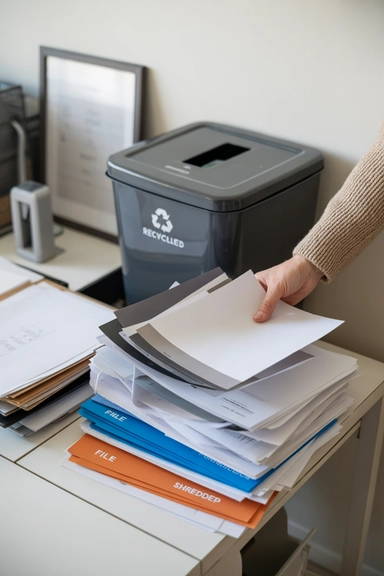
Paper clutter rarely appears all at once—it builds slowly over days or weeks. A weekly decluttering routine prevents paperwork from becoming overwhelming. Setting aside just ten to fifteen minutes once a week to review papers can make a huge difference in maintaining an organized home.
During this routine, go through your mail organizers, desk trays, and paper baskets to decide what should be filed, recycled, or shredded. This small habit keeps papers from piling up and helps maintain your overall paper management system. Many simple paper clutter organization ideas rely on consistent maintenance rather than complicated storage solutions, and a weekly review routine keeps everything under control.
8. Build a DIY Paper Organizer System
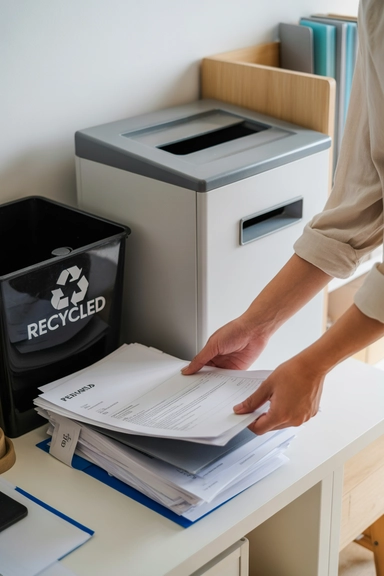
If you prefer customized organization, DIY paper clutter organization ideas can be extremely effective. Creating your own paper organizer using simple materials like wooden boxes, magazine holders, or labeled folders allows you to design a system that fits your home perfectly.
For example, several magazine holders placed side by side can create a simple filing station for incoming mail, bills, and documents that need attention. Adding labels to each section keeps everything easy to identify. DIY organizers are especially useful in home offices or family command centers where multiple types of paperwork need to be sorted regularly.
9. Create a Simple Paper Filing Station
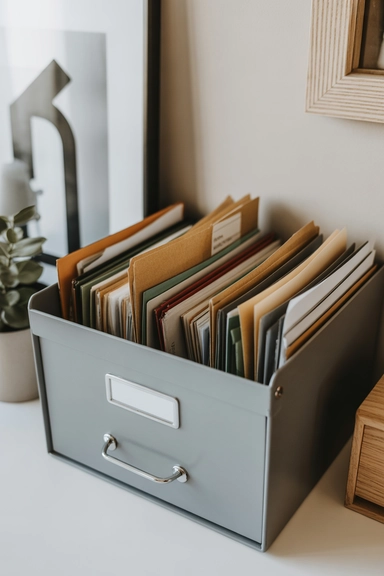
Every home benefits from a dedicated filing station where important documents can be stored long-term. A small filing cabinet, file box, or drawer system can serve as the central location for organizing documents such as tax papers, warranties, and insurance records.
Organizing files into broad categories helps keep the system manageable. Instead of creating dozens of small folders, focus on major groups like financial documents, home records, medical files, and personal paperwork. A well-structured filing station prevents important documents from becoming part of everyday clutter and ensures they remain easy to locate whenever they are needed.
10. Use Clear File Folders for Quick Access
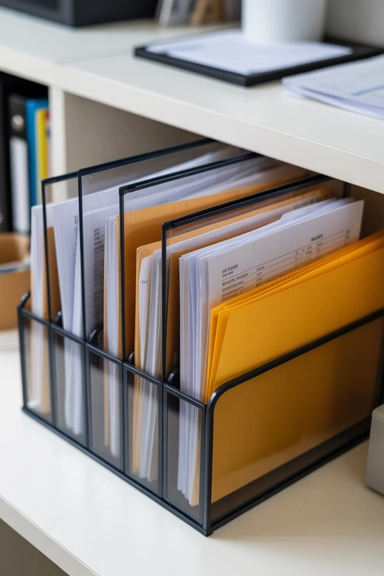
Clear file folders are a practical solution for storing papers that need to remain visible. Unlike opaque folders, transparent folders allow you to quickly see the contents without opening each one. This can save time when searching for specific documents such as bills, school forms, or receipts.
Clear folders also work well in paper management systems where quick access is important. They can be stored in desk drawers, filing boxes, or wall organizers while still allowing you to identify documents instantly. Using visible folders keeps paperwork organized while preventing the frustration of digging through stacks of unidentified papers.
11. Create a Command Center for Household Paper
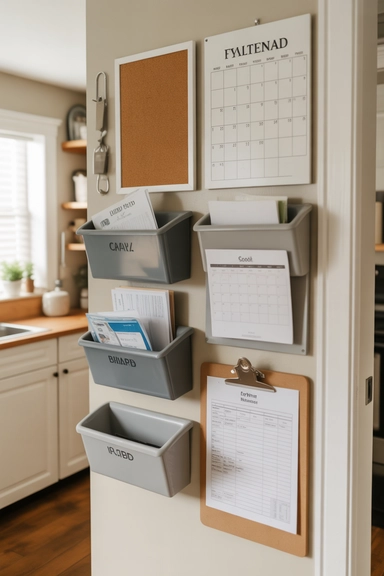
One of the most effective paper clutter organization ideas is creating a small household command center where all incoming paperwork is managed. Instead of letting documents land in different rooms, a single designated area keeps everything organized in one place. A command center might include a wall-mounted mail organizer, a calendar, a small filing section, and a basket for papers that need attention.
Placing the command center in a high-traffic area such as the kitchen or near the entryway makes it easier for everyone in the household to use the system consistently. Mail, school papers, and important notices can be sorted immediately instead of piling up around the house. Over time, this centralized paper management system prevents clutter from spreading and makes it much easier to stay organized.
12. Use Magazine Holders for Vertical Paper Storage
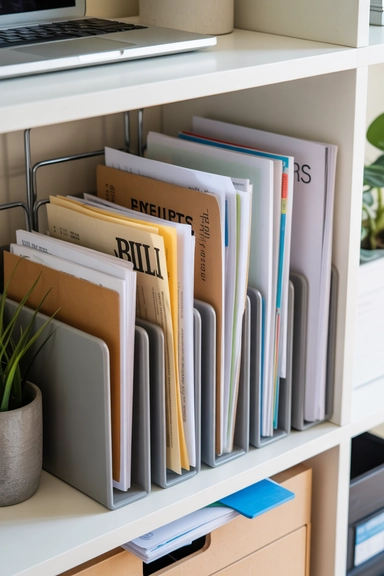
Magazine holders are one of the simplest tools for organizing paper clutter. Instead of stacking papers horizontally, these holders store documents vertically, making them easier to see and access. They work well for organizing mail, current bills, paperwork that needs attention, or documents waiting to be filed.
Placing several labeled magazine holders on a shelf or desk creates a simple paper organization system without requiring complicated storage solutions. Each holder can represent a category such as bills, school papers, receipts, or documents to file. Vertical storage also prevents papers from becoming buried at the bottom of a stack, making it easier to keep track of important documents.
13. Set Up a Paper Shredding Station
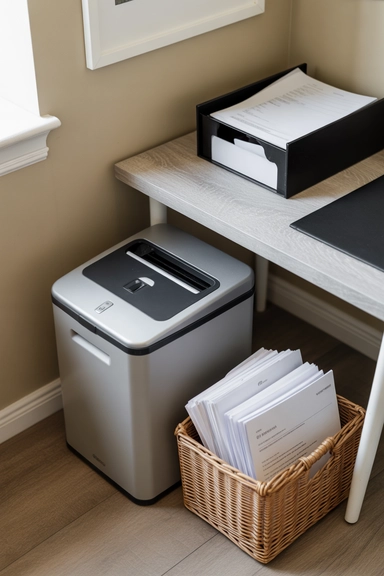
One reason paper clutter grows so quickly is that many people hesitate to throw away documents containing personal information. Creating a small shredding station makes it easier to dispose of unnecessary paperwork safely. A compact paper shredder placed near your filing area encourages regular decluttering and prevents stacks of old documents from accumulating.
Keeping a small container or basket nearby for papers that need shredding can make the process even easier. When the container fills up, you simply run everything through the shredder and clear the space. This system helps maintain a clean paper management routine while protecting personal information from identity theft.
14. Organize Sentimental Papers with Memory Boxes
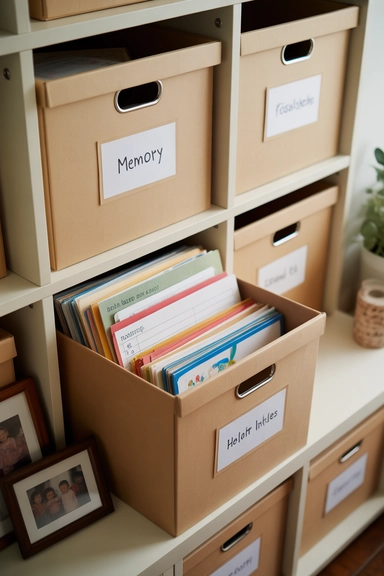
Some papers are difficult to discard because they carry emotional value. Children’s artwork, handwritten letters, report cards, and special documents often fall into this category. Instead of letting sentimental papers mix with everyday clutter, create a dedicated memory box for preserving meaningful items.
Each family member can have their own box where keepsake papers are stored safely. Limiting the size of the box also helps control how much is saved, encouraging thoughtful decisions about which items truly matter. This approach allows you to keep meaningful memories without letting sentimental clutter take over drawers and cabinets.
15. Use Binders for Frequently Used Documents
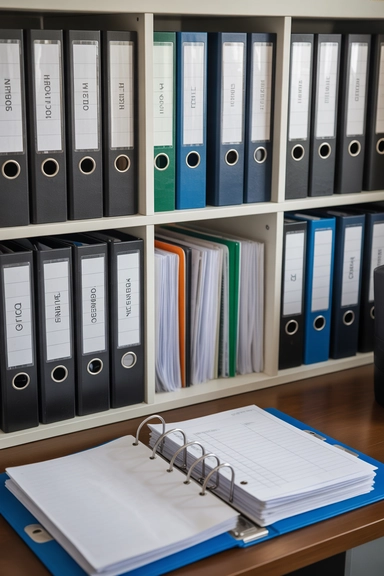
Binders can be extremely useful for organizing papers that need to be referenced regularly. Documents such as home maintenance records, medical information, financial plans, or school schedules can all be stored in labeled binders for quick access.
Dividers inside the binder create clear sections so papers stay organized instead of becoming loose stacks. Keeping frequently referenced documents together in one place reduces the need to search through multiple files. This simple paper organization idea keeps important information easily accessible while still maintaining an orderly storage system.
16. Create a Digital Backup for Important Papers
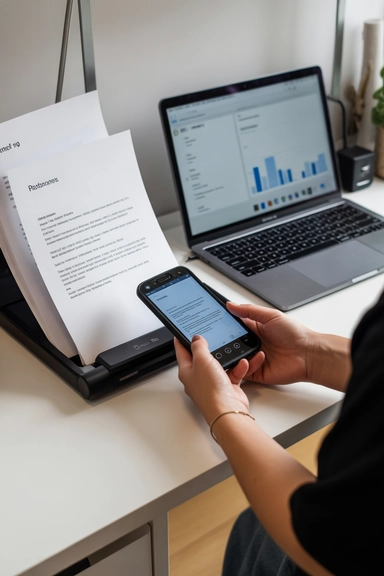
One way to reduce paper clutter is by converting important documents into digital files. Scanning receipts, warranties, and records allows you to keep a digital copy while discarding the physical paper. Digital storage reduces the number of documents that need to be stored in drawers or filing cabinets.
Cloud storage or organized digital folders can hold these scanned documents securely while keeping them easy to access when needed. Many people combine digital storage with traditional filing systems so only the most essential physical papers are kept. Over time, this approach dramatically reduces the amount of paper that needs to be managed at home.
17. Use Drawer Organizers for Loose Papers
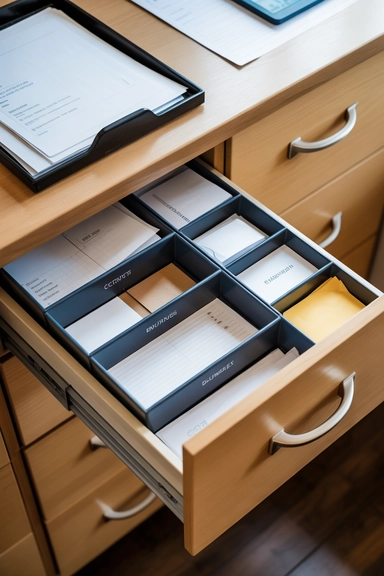
Loose papers often end up stuffed into drawers without any real organization. Adding drawer organizers can transform these messy spaces into structured storage areas. Small compartments can hold receipts, notes, envelopes, and other documents that would otherwise get lost in a drawer.
Using dividers or small trays helps separate different types of papers while keeping everything visible. Instead of digging through piles of mixed paperwork, you can quickly find what you need. This simple upgrade turns cluttered drawers into organized storage zones that support your overall paper management system.
18. Label Everything in Your Filing System
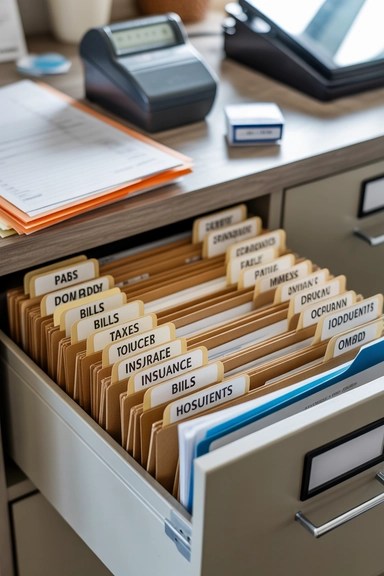
Labels are one of the most powerful tools in any paper organization system. Clearly labeled folders, boxes, and trays make it easy to know exactly where each document belongs. Without labels, even well-designed filing systems can quickly become confusing.
Simple labels such as “Bills,” “Taxes,” “Medical Records,” or “Home Documents” help maintain structure over time. When every category is clearly identified, filing papers becomes faster and more intuitive. A well-labeled system also makes it easier for other household members to maintain the organization.
19. Keep a Recycling Bin Near Paper Areas
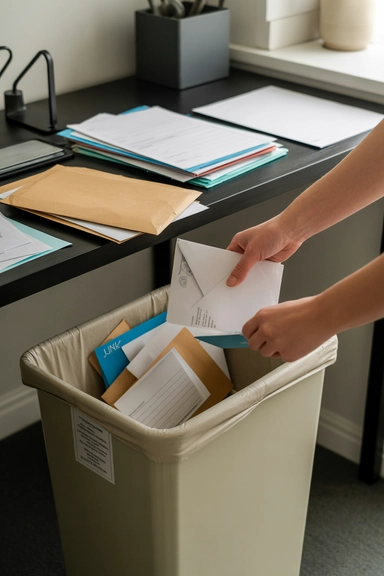
Many papers can be discarded immediately once they are reviewed. Keeping a recycling bin close to your main paper sorting area makes it easy to get rid of unnecessary documents right away. Junk mail, old envelopes, and advertisements can be recycled instead of sitting in piles around the house.
This small habit prevents clutter from accumulating and keeps your sorting station cleaner. When recycling is convenient, it becomes part of the normal routine of handling paperwork. Over time, this simple practice significantly reduces the amount of paper that stays in your home.
20. Use a “To Review” Folder for Pending Papers
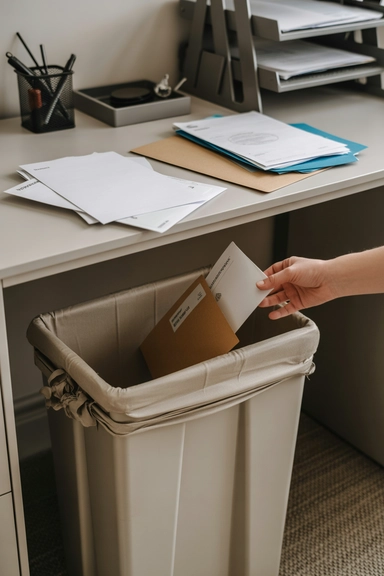
Some documents require time before a final decision can be made. Bills waiting for payment, documents needing signatures, or forms requiring additional information often end up sitting on desks or counters. Creating a “To Review” folder gives these papers a designated temporary home.
Instead of letting them float around the house, everything waiting for action stays contained in one place. Reviewing the folder regularly helps ensure nothing important is forgotten. This system keeps pending documents organized while preventing them from turning into clutter.
21. Practice Letting Go of Unnecessary Papers
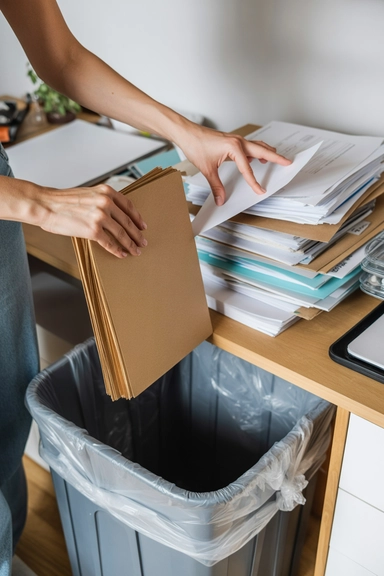
One of the most important steps in controlling paper clutter is learning to let go of documents that are no longer useful. Many people hold onto papers out of habit, even when the information is outdated or easily accessible online. Regularly reviewing stored papers helps identify documents that can be safely discarded.
Focusing on keeping only truly important paperwork reduces the volume of paper that must be managed. Over time, this habit simplifies your entire paper management system. By letting go of unnecessary papers, your home stays more organized and your storage systems remain manageable.
Conclusion
Managing paper clutter doesn’t require complicated systems or expensive storage solutions. The most effective paper clutter organization ideas focus on consistency, simple sorting routines, and practical storage that fits naturally into daily life. When paperwork has a clear place to go, it stops piling up on counters, desks, and kitchen surfaces. By creating a manageable paper management system and letting go of unnecessary documents, you can maintain a cleaner, calmer home where important papers stay organized and easy to find.