
Introduction
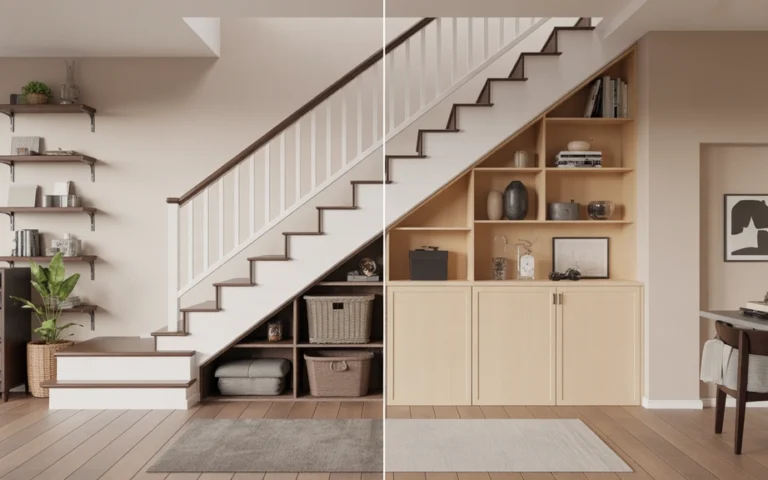
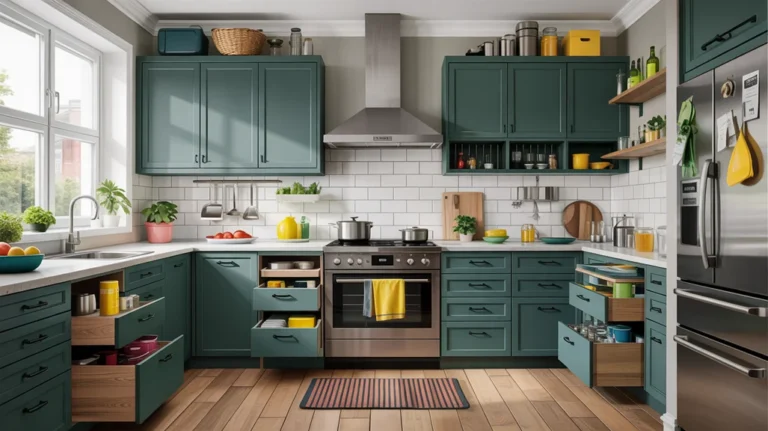
Low budget organization fails when it focuses on cheap products instead of structural decisions. Everyday homes accumulate clutter not because storage is expensive, but because placement, visibility, and tolerance are poorly managed. When organizing on a budget, the goal is not to buy more containers but to reduce visual competition and unnecessary duplication. Effective low budget home organizing hacks rely on limiting spread, consolidating use zones, and controlling what remains visible. When organization works with daily habits instead of fighting them, homes feel clearer quickly—without requiring new furniture, custom storage, or constant maintenance, a principle also reflected in 23 Clever and Affordable Organizing on a Budget Tips for a Tidy Home.
1. Remove Items That Create Visual Noise Without Adding Function
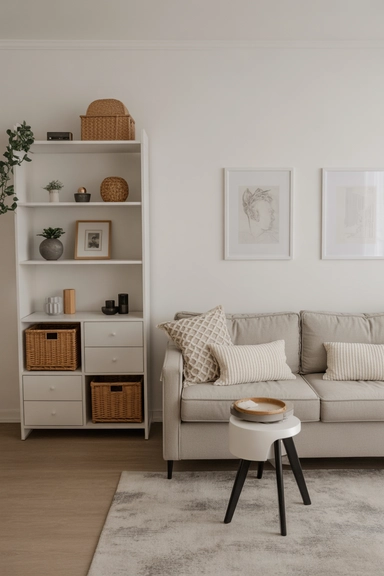
Low budget organization starts by subtracting, not adding. Many homes hold objects that serve no current purpose but still consume visual attention. Decorative fillers, outdated organizers, and excess furniture pieces often remain because removing them feels unnecessary. In reality, these items dilute clarity and increase the amount of visual information the eye must process. When too many low-impact objects compete for space, even tidy rooms feel unsettled and crowded.
Removing these items immediately improves order without cost. Sightlines become simpler, and remaining objects gain definition. This is not decluttering for minimalism, but correction for relevance. When every visible object supports daily life or comfort, the room stabilizes visually. Budget organization succeeds fastest when visual noise is eliminated before storage solutions are introduced.
2. Collapse Multiple Small Storage Points Into One Strong Zone
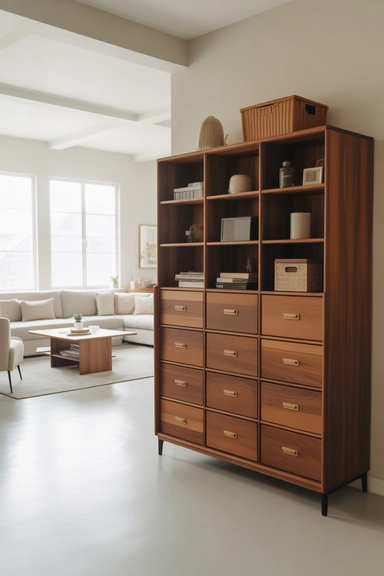
Homes on a budget often accumulate many small storage fixes over time. Extra baskets, random bins, and improvised shelves appear in response to clutter, but they fragment organization instead of fixing it. Each additional storage point becomes another visual interruption, increasing disorder even when items are technically contained.
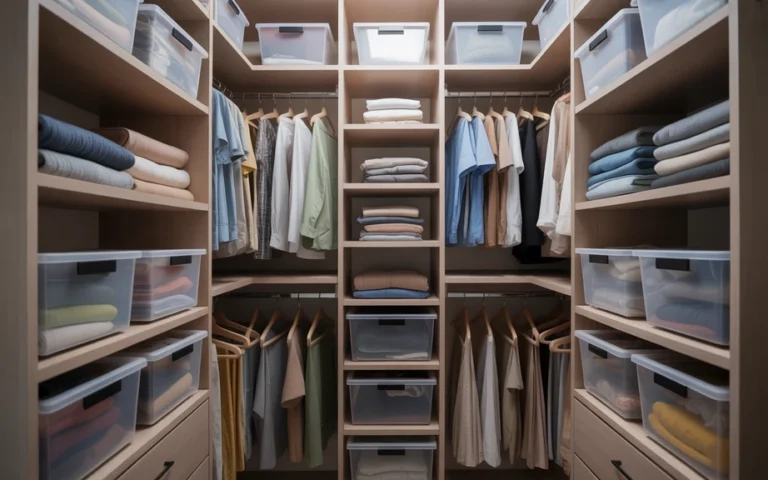
Consolidating storage into fewer, stronger zones restores control. One well-defined cabinet, shelf, or drawer per category is more effective than multiple scattered solutions. This consolidation reduces visual fragmentation and simplifies behavior. Items return more reliably because placement is obvious. Low budget organizing works best when storage is centralized rather than multiplied.
3. Control What Lives on Open Surfaces First
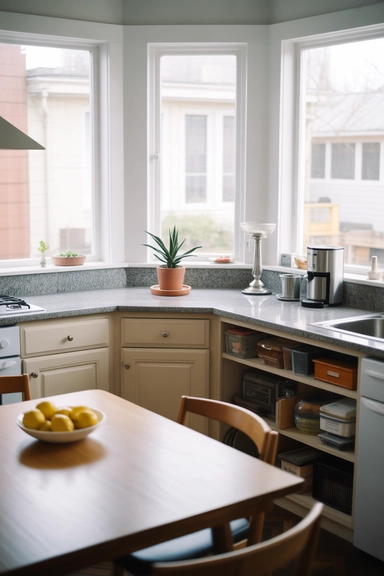
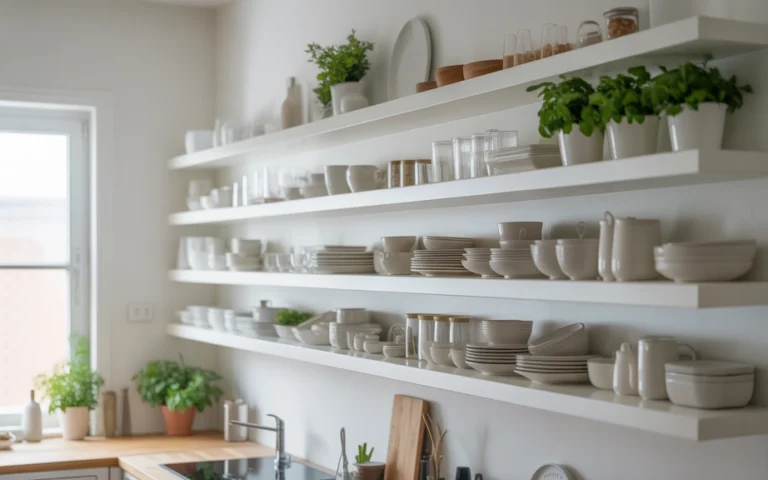
Open surfaces are the fastest clutter multipliers in everyday homes. Tables, counters, and shelves collect items because they are visible and convenient. On a budget, people often rely on these surfaces instead of closed storage, which causes visual overload even when volume is small. The problem is not mess, but exposure.
Reducing what remains on open surfaces creates immediate calm. Moving items into drawers, grouping them in trays, or removing nonessential objects quiets the visual field. This does not require new storage, only discipline about what earns visibility. When open surfaces are controlled, the entire home feels more organized regardless of budget.
4. Assign Every Low-Cost Storage Solution a Single Job
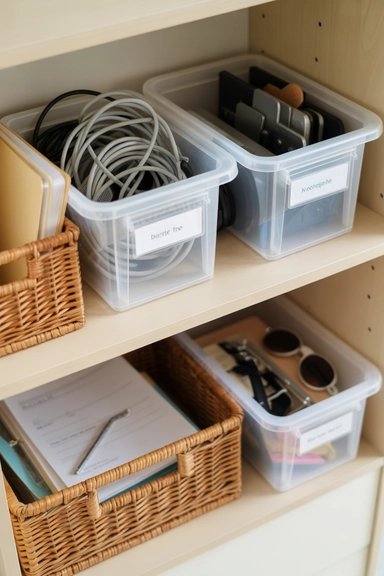
Budget organizing breaks down when storage pieces are expected to solve multiple problems at once. Cheap bins, baskets, or shelves often become catchalls simply because they are available. When one container holds unrelated items, it loses meaning and becomes visually noisy. In everyday homes, this leads to constant reshuffling and surface spillover rather than order, a pattern also addressed in Genius Clutter Busting Hacks to Organize Your Home, where narrowing purpose is key to maintaining clarity.
Assigning a single job to each storage solution restores clarity. One basket for charging cables, one drawer for paperwork, one shelf for daily-use items. When storage has a narrow purpose, items return automatically. This approach costs nothing but prevents low-budget solutions from turning into clutter magnets over time.
5. Use Physical Limits Instead of Rules to Control Clutter
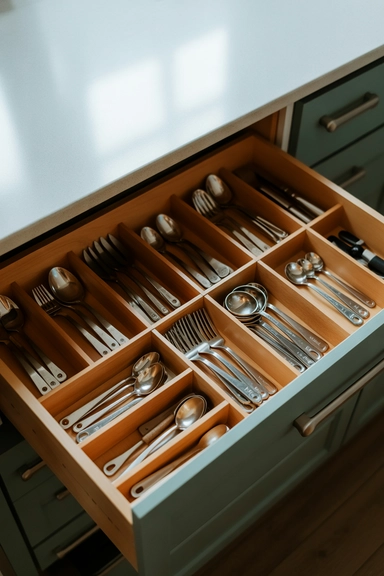
Rules fail in everyday homes because they rely on memory and motivation. Budget organization works better when physical limits do the work instead. When a drawer, box, or shelf has a clear capacity, excess becomes visible immediately. This visibility replaces guilt or reminders with simple feedback.
Physical limits slow accumulation naturally. When space is full, something must leave before something new enters. This keeps clutter from growing silently. Low budget organizing succeeds when storage itself communicates boundaries, reducing the need for discipline and constant decision-making.
6. Repurpose Existing Furniture Before Buying Organizers
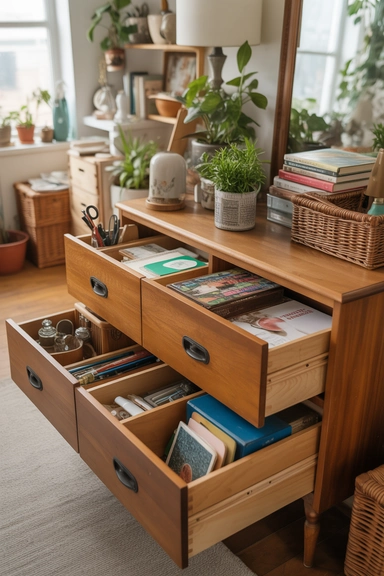
Buying organizers too early often masks deeper placement problems. Everyday homes already contain drawers, cabinets, and furniture that can absorb clutter more effectively than new products. Underused furniture becomes visual waste when its capacity is ignored in favor of buying cheap add-ons.
Reassigning existing storage is both cost-free and more sustainable. A sideboard becomes file storage, a dresser absorbs linens, a bookshelf holds daily essentials. When furniture works harder, fewer new items are needed. This reduces visual clutter and prevents budget organizing from becoming a cycle of constant purchases.
7. Keep Budget Storage Out of Prime Sightlines
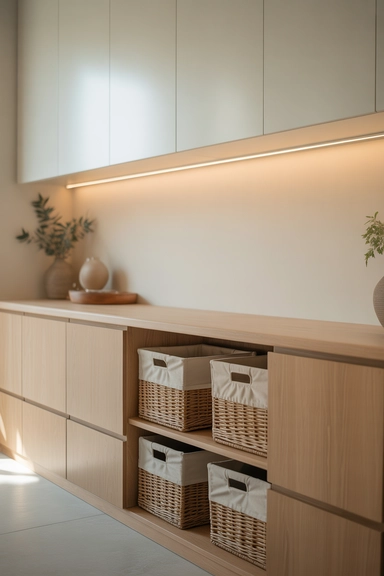
Low-cost storage often looks utilitarian, which makes placement critical. When inexpensive bins or mismatched containers sit in primary sightlines, they amplify visual clutter regardless of organization quality. Everyday homes feel messier when storage draws attention to itself.
Moving budget storage out of direct view restores calm. Lower shelves, inside cabinets, or secondary zones absorb volume without dominating the room. This allows storage to exist without becoming decor. Low budget organizing works best when function is hidden and attention stays on the space, not the containers.
8. Group Items by Use Moment, Not by Type
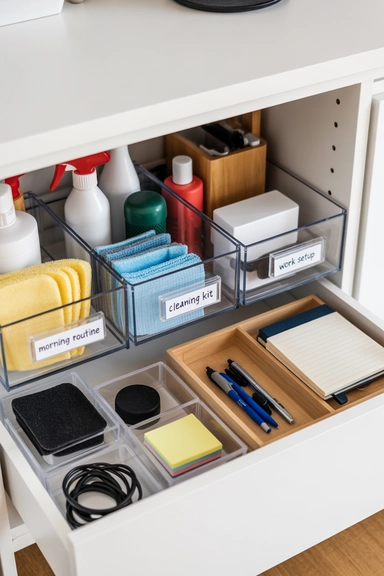
Organizing by category alone often increases clutter in daily life. Items used together but stored separately migrate to surfaces out of convenience. In everyday homes, this creates visible mess even when categories technically exist.
Grouping items by use moment reduces this drift. Everything needed for a task lives together, regardless of type. This reduces movement, speeds cleanup, and keeps items contained. Budget organization improves because behavior is supported, not corrected. Storage becomes intuitive, which matters more than aesthetics when resources are limited.
9. Reduce Duplicate Items That Quietly Inflate Clutter
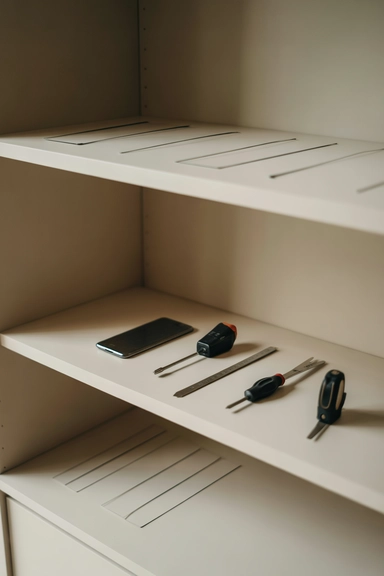
Low budget homes often accumulate duplicates because items are forgotten, misplaced, or bought again for convenience. Extra chargers, utensils, towels, or tools seem harmless individually, but together they consume storage and visual bandwidth. Duplication undermines organization because it stretches storage limits without adding real value. When the same function is represented multiple times, no single storage solution can feel sufficient.
Reducing duplicates restores balance without spending money. One reliable version of an item stored correctly is more effective than several scattered copies. Storage regains breathing room, and visual clutter drops immediately. Budget organization improves when ownership reflects actual need instead of perceived scarcity or convenience.
10. Use Open Storage Only Where Daily Reset Is Guaranteed
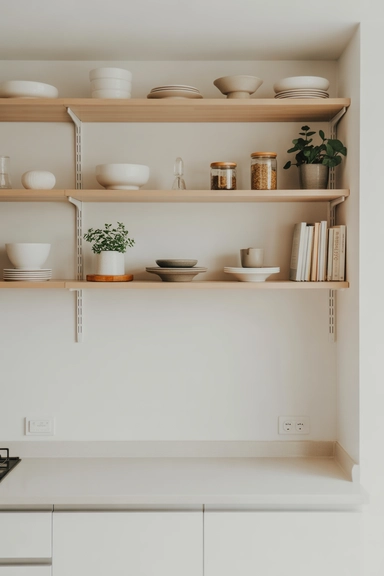
Open storage fails when it relies on good intentions rather than habits. Shelves, hooks, and open bins look affordable and accessible, but they amplify clutter if items are not returned consistently. In everyday homes, this leads to visual chaos even when storage technically exists.
Restricting open storage to areas with predictable daily resets keeps it functional. Entryways, kitchens, or work zones with routine cleanup can support openness. Elsewhere, closed storage works better. Budget organizing succeeds when exposure matches behavior, not aesthetics.
11. Shift Clutter Downward Instead of Spreading It Out
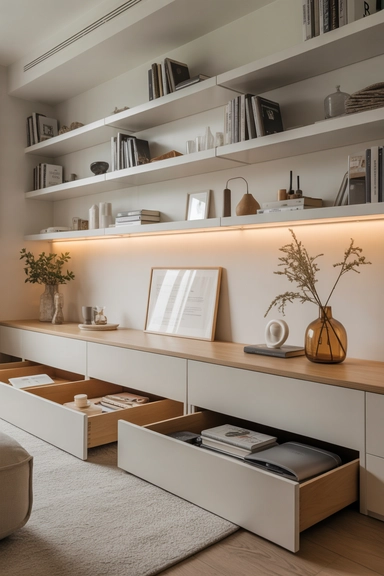
When clutter spreads horizontally across surfaces, it dominates sightlines. Low budget homes often lack closed storage, so items spread outward rather than being repositioned thoughtfully. This makes rooms feel crowded regardless of square footage.
Shifting clutter downward changes perception immediately. Moving items into lower drawers, under furniture, or into floor-level storage clears eye-level space. The home feels calmer because dominant visual zones are quieter. This strategy costs nothing but dramatically reduces perceived clutter.
12. Let One Storage Zone Absorb Overflow From Others
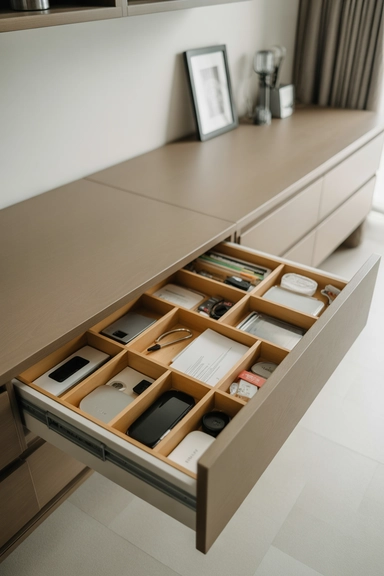
Budget systems collapse when every storage area operates independently. When one zone fills up, clutter spills into visible areas instead of being absorbed elsewhere. This creates scattered disorder that feels hard to manage.
Designating one flexible overflow zone restores control. A single drawer, bin, or shelf absorbs temporary excess without spreading clutter across the home. This buffer stabilizes the system and prevents breakdown. Low budget organizing works better when overflow is anticipated rather than ignored.
13. Avoid Decorative Storage That Adds More Visual Work
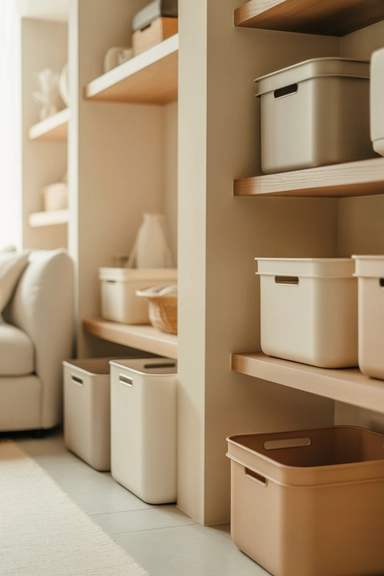
Decorative storage often promises organization but adds visual complexity. Patterned baskets, textured bins, or mismatched containers compete for attention, especially in small homes. Instead of reducing clutter, they introduce another layer of visual noise.
Choosing simple, quiet storage reduces this burden. Plain containers allow items to disappear visually rather than announce themselves. Budget organization benefits when storage recedes instead of performing decor. The space feels calmer because fewer elements demand attention.
14. Remove Furniture That Exists Only to Hold Clutter
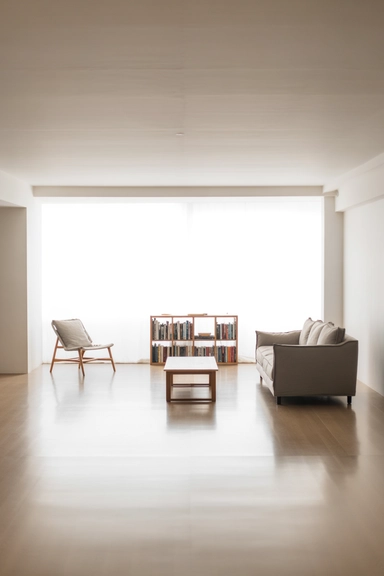
Some furniture pieces exist solely because clutter needs somewhere to land. Extra tables, unused shelves, or awkward cabinets remain even when they serve no clear function. In budget homes, these pieces quietly enable disorder by providing tolerance rather than structure.
Removing such furniture restores flow and clarity. Fewer surfaces mean fewer drop zones. The home becomes easier to manage because clutter has fewer places to settle. This subtraction-based approach costs nothing and often delivers the fastest visual improvement.
15. Keep Budget Organization Flexible, Not Fragile
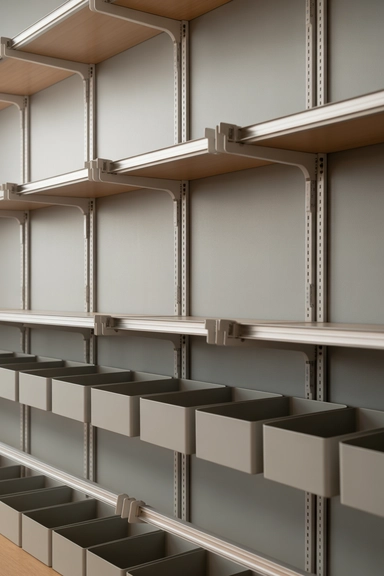
Low budget systems often fail because they are too rigid. When life changes, storage that cannot adapt breaks down and clutter returns. Fragile systems demand perfection, which everyday homes cannot maintain.
Building flexibility within limits creates resilience. Adjustable shelves, movable bins, or reassigned drawers allow organization to evolve without collapse. Budget organizing succeeds when systems bend without breaking, supporting real life instead of resisting it.
16. Contain Daily Clutter at the Entry Point
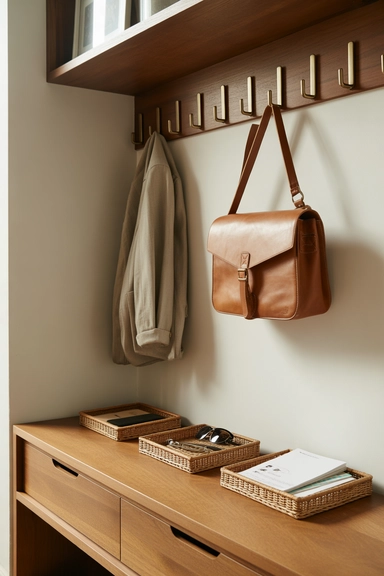
Low budget homes often struggle because daily clutter travels inward before it is addressed. Bags, mail, shoes, and miscellaneous items pass through the entry and settle on nearby surfaces, where they linger. Without containment at the point of entry, clutter spreads quickly into living areas, creating visual disruption that feels disproportionate to the volume involved.
Containing clutter immediately at the entry restores control. A small tray, hook set, or drawer absorbs daily items before they migrate. This early interception prevents visual spillover and keeps the rest of the home quieter. Budget organization works best when clutter is stopped at the source.
17. Keep Frequently Used Items Visible but Controlled
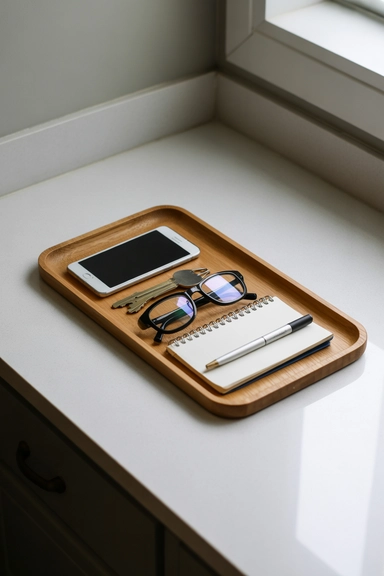
Hiding everything is not realistic in everyday homes. Items used daily—keys, chargers, glasses—need visibility to remain functional. When these objects lack a defined place, they scatter across surfaces, creating persistent visual noise that never fully resets.
Controlled visibility solves this tension. Assigning a single, bounded location for frequently used items keeps them accessible without letting them spread. A small tray or shallow container provides structure. The home feels organized because visibility is intentional rather than accidental, even when the budget is limited.
18. Reduce Vertical Stacking That Creates Visual Weight
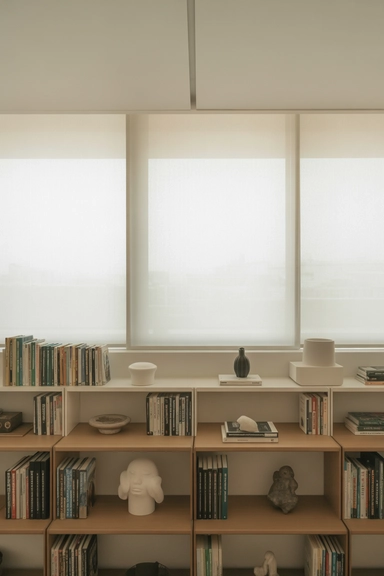
Vertical stacking feels efficient but often increases visual heaviness. Tall piles of books, boxes, or containers draw the eye upward and compress space, especially in small homes. Over time, stacks become unstable and invite more accumulation, undermining organization.
Reducing vertical stacking restores visual balance. Spreading items horizontally within defined limits or lowering storage height reduces perceived density. The room feels lighter because storage no longer dominates the vertical field. This adjustment requires no new purchases, only restraint in how height is used.
19. Reassign Storage When a Space Feels “Stuck”
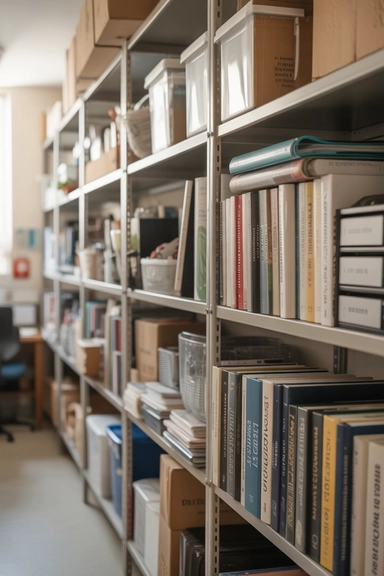
When organization stops working, the instinct is often to add more storage. In low budget homes, this leads to cluttered fixes layered on top of failing systems. The real issue is usually misaligned placement rather than insufficient capacity.
Reassigning storage refreshes the system without cost. Moving categories to better-fitting locations restores flow and clarity. Items return more easily when placement matches use. Budget organization improves when systems are adjusted rather than expanded.
20. Leave One Area Intentionally Less Full
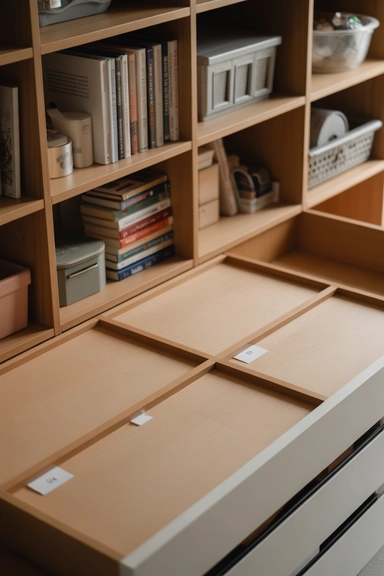
Fully packed storage creates pressure. When every shelf and drawer is filled, there is no room for daily fluctuation, and clutter spills outward. In budget homes, this results in constant surface buildup despite ongoing effort.
Leaving one area intentionally less full creates resilience. This space absorbs temporary excess without destabilizing the system. The home feels calmer because organization can flex. Budget success comes from tolerance built into the structure, not constant correction.
21. Match Storage Effort to the Value of the Item
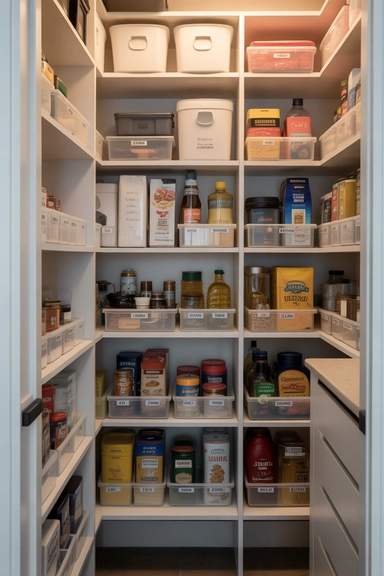
Low budget organization improves when effort aligns with importance. Everyday homes often over-invest effort in low-value items while under-supporting essential ones. This imbalance leads to frustration, as frequently used items are hard to access while rarely used items consume prime storage. Over time, clutter forms not from excess, but from misplaced priority.
Rebalancing effort restores efficiency. High-use, high-value items deserve the easiest access and clearest placement. Low-value items can tolerate inconvenience or removal. This prioritization costs nothing and immediately improves flow. Budget organization succeeds when storage effort reflects actual usefulness rather than habit or sentiment.
22. Use Time-Based Decisions to Remove Lingering Clutter
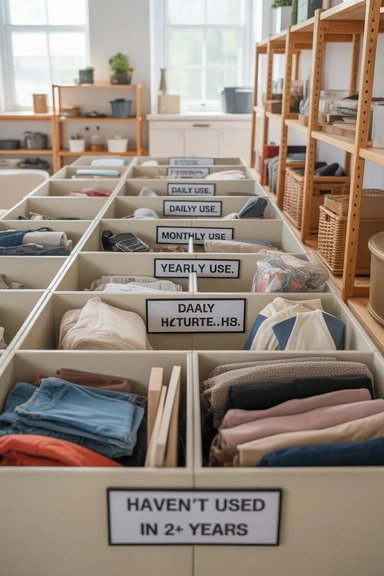
Clutter persists when decisions are postponed indefinitely. Items that are “maybe useful” linger because there is no trigger to reassess them. In low budget homes, this leads to slow accumulation that quietly erodes organization without noticeable tipping points.
Using time as a decision filter restores momentum. Items not used within a defined period lose priority and storage privilege. This approach removes emotion from decisions and prevents clutter from aging into permanence. Budget organizing benefits because space is reserved for current life, not past intentions.
23. Treat Low Budget Organization as Ongoing Calibration
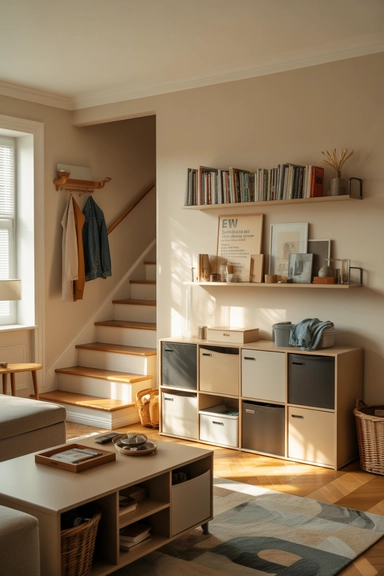
Low budget organization fails when treated as a one-time fix. Everyday homes change constantly, and systems that are not revisited lose relevance. When organization becomes rigid, clutter returns through workaround behavior rather than neglect.
Treating organization as calibration keeps it functional. Small adjustments based on routine shifts prevent breakdown without requiring major effort. Storage remains aligned with life instead of resisting it. Budget success comes from responsiveness, not perfection, allowing order to hold under real conditions.
Conclusion
Low budget home organizing works when it focuses on structure, visibility, and behavior rather than buying solutions. By consolidating storage, reducing visual noise, prioritizing use, and leaving intentional flexibility, everyday homes become easier to manage without added cost. These low budget home organizing hacks succeed because they remove friction instead of masking it. When systems adapt to real routines and limits, clutter reduces naturally, and homes feel calmer without constant effort or spending.