
Introduction
Basements often become catch-all zones where unused belongings quietly accumulate. Without structure, extra space turns into hidden clutter rather than functional storage. Smart basement organization ideas focus on creating defined zones, reliable storage systems, and easy access so the space supports daily life instead of overwhelming it. When placement is intentional, basements can serve as extensions of the home for storage, hobbies, or utilities. If you are also improving other underused areas, 25 Home Organizing Ideas That Make Every Room Work Better connects naturally with these strategies to create whole-home order that lasts.
1-Heavy-Duty Shelving for Stable Storage
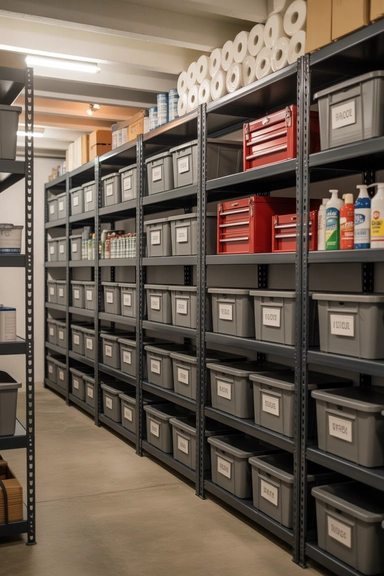
Basements often carry heavier loads than other home areas, from bulk household supplies to archived belongings. Heavy-duty shelving provides strong, stable platforms that prevent bowing and collapse over time. Adjustable shelf heights allow containers, bins, and equipment to fit without stacking into unstable piles. This creates predictable storage zones where every category has a clear place instead of spreading across the floor.
For basement organization ideas that make extra space work, sturdy shelving also improves visibility. Items remain off the ground, reducing moisture risk and dust buildup. Over time, defined shelf zones prevent the slow return of clutter and make inventory checks faster, especially when seasonal or backup items are stored long-term.
2-Clear Storage Bins for Instant Visibility
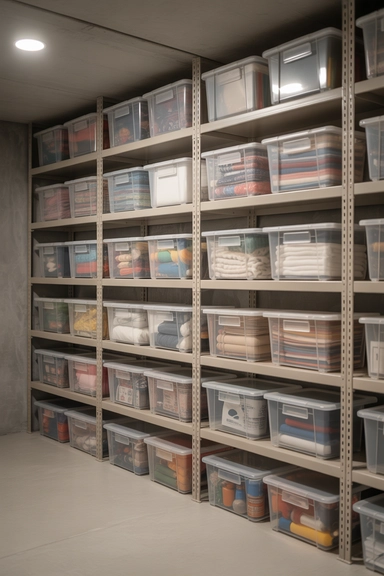
Opaque boxes quickly turn basements into mystery storage zones. Clear storage bins solve this by allowing contents to remain visible without opening lids. Seasonal décor, spare linens, archived paperwork, or hobby supplies can be identified instantly. This prevents duplicate buying and avoids the frustration of unpacking multiple boxes to find one item.
In basement organization ideas that make extra space work, clear bins also support category consistency. When each bin holds a defined group of items, returning belongings becomes natural. Labels add extra clarity, but transparency alone maintains structure. This system keeps the basement tidy, functional, and easy to manage long-term.
3-Zone-Based Storage Planning
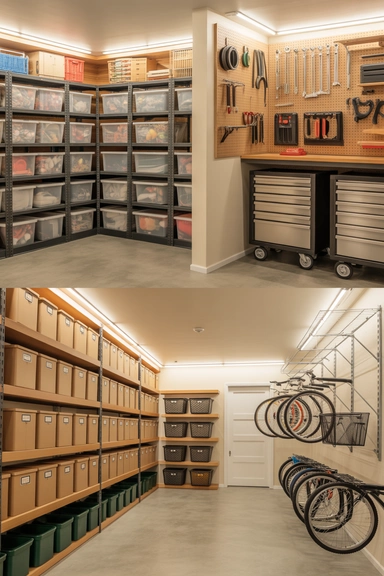
Basements function best when divided into purposeful zones rather than one large undefined area. Storage zones for seasonal décor, tools, laundry overflow, sports gear, or archives prevent belongings from blending into clutter. Each zone can use storage suited to its purpose, such as shelves, cabinets, or bins.
For basement organization ideas that make extra space work, zoning also supports habit building. When every category has a dedicated area, household members know exactly where items belong. This reduces random box stacking and keeps the basement orderly without constant supervision or repeated reorganization sessions.
4-Wall-Mounted Storage Systems for Vertical Use
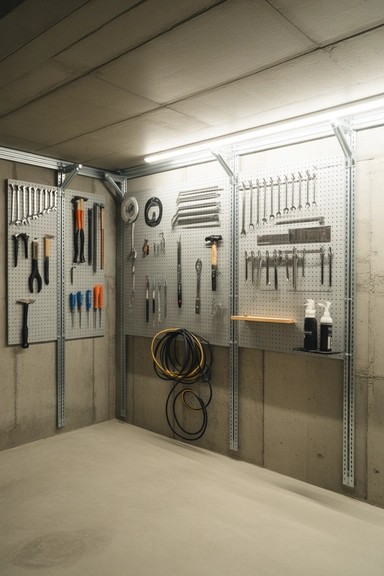
Basement walls often sit empty while floor space becomes crowded. Wall-mounted storage systems such as pegboards, rail tracks, and hanging panels move items upward into visible, accessible positions. Tools, craft supplies, extension cords, or cleaning equipment stay off the floor while remaining easy to reach.
In basement organization ideas that make extra space work, vertical systems also protect belongings from moisture or accidental floor contact. Clear floor space improves safety and movement, especially in narrower basements. Over time, wall-mounted zones keep storage predictable and prevent the slow spread of clutter across walkways.
5-Closed Cabinet Storage for Visual Calm
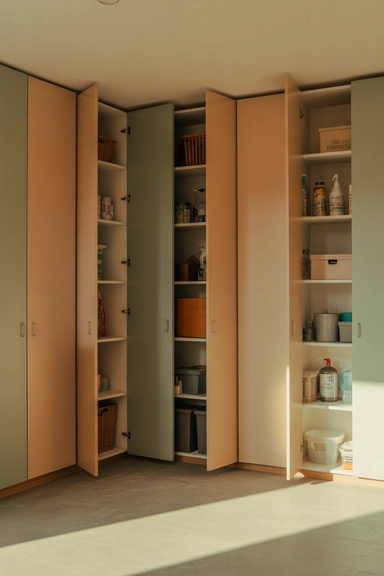
Not everything stored in a basement needs to remain visible. Closed cabinets provide concealed storage for irregular items, household chemicals, spare parts, or miscellaneous supplies. Doors create instant visual calm, preventing the space from feeling like an open warehouse.
For basement organization ideas that make extra space work, cabinets also protect sensitive items from dust and humidity. When combined with open shelving, closed storage balances accessibility with neat appearance. This keeps the basement usable for hobbies or family activities instead of feeling like a cluttered backroom.
6-Labelled Category Systems for Long-Term Order
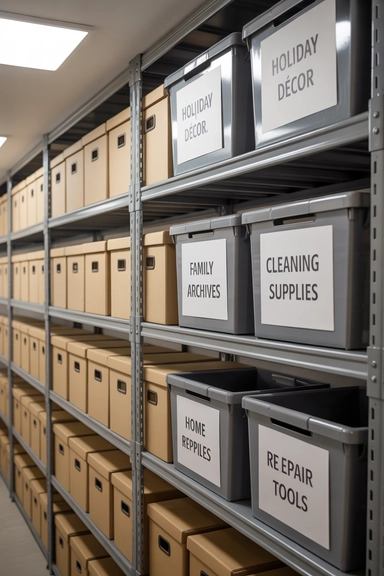
Even the best storage solutions fail without guidance. Labelled category systems create visual instructions for where items belong. Shelves, bins, and cabinets marked by category make it easy for everyone in the household to return items correctly.
In basement organization ideas that make extra space work, labels prevent system breakdown over time. Instead of relying on memory, placement becomes self-explanatory. This consistency reduces maintenance effort, supports shared household use, and keeps the basement organized long after the initial setup.
7-Under-Stair Storage Utilization
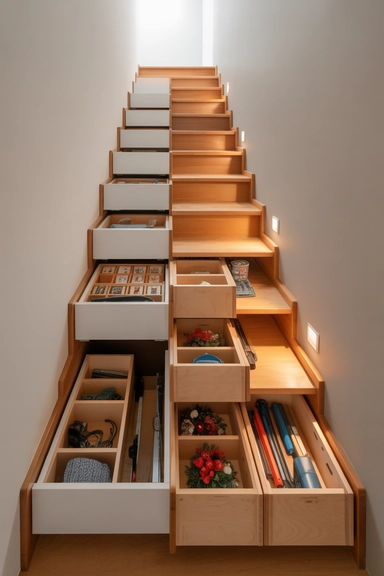
The area beneath basement stairs is often wasted because it feels awkward to access. Converting this space into structured storage transforms an overlooked corner into a functional asset. Built-in shelves, pull-out drawers, or sliding cabinets can hold tools, seasonal décor, or backup household supplies. By enclosing the space, you prevent loose stacking and create a defined storage footprint that doesn’t intrude on the rest of the basement.
For basement organization ideas that make extra space work, under-stair storage also improves traffic flow. Items gain a hidden but reachable home rather than occupying open floor areas. Over time, this encourages consistent placement habits and keeps the basement feeling intentional rather than improvised.
8-Freestanding Storage Racks for Flexible Layouts
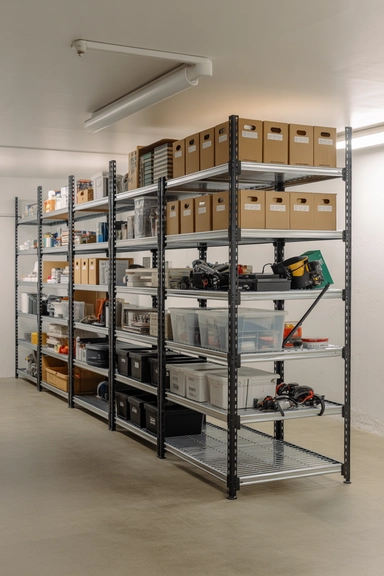
Not every basement allows permanent installations. Freestanding storage racks offer strong capacity without drilling or built-in carpentry. These units hold bulk supplies, archived boxes, and equipment while remaining easy to reposition if the basement layout changes. Adjustable shelves allow different bin sizes to fit neatly, reducing unstable stacking.
In basement organization ideas that make extra space work, freestanding racks also create adaptable zoning. As household needs evolve, racks can shift to create new activity areas, hobby corners, or utility zones. This flexibility prevents storage systems from becoming obsolete and keeps the basement responsive rather than rigid.
9-Foldable Furniture Storage Systems
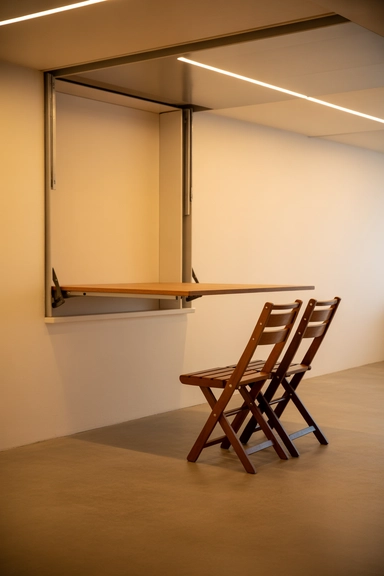
Basements often double as guest spaces, play areas, or project zones. Foldable furniture storage systems allow chairs, tables, and extra seating to be stored compactly when not in use. Wall-mounted fold-down tables or stackable folding chairs keep the space open for daily activities while remaining ready for gatherings.
For basement organization ideas that make extra space work, foldable systems prevent furniture from becoming permanent clutter. Instead of blocking pathways or collecting dust, pieces stay neatly stored in dedicated spots. This keeps the basement multifunctional without constant rearranging.
10-Laundry and Utility Supply Zones
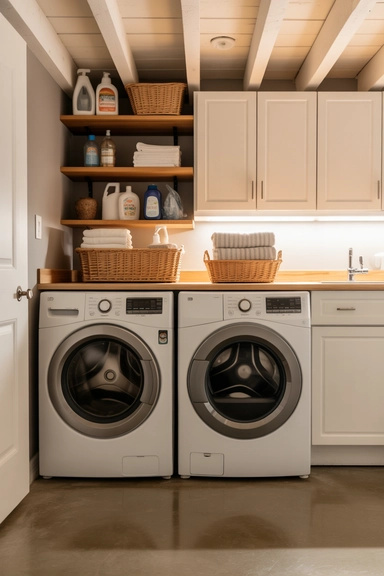
Basements frequently host laundry appliances or household utility equipment. Without defined zones, detergents, tools, and cleaning supplies quickly scatter across shelves and floors. Creating a dedicated laundry and utility station keeps these essentials grouped logically near their point of use. Shelves above machines, closed cabinets, and wall hooks keep items accessible but contained.
In basement organization ideas that make extra space work, utility zones also reduce visual noise. When supplies stay in one predictable area, the rest of the basement remains open for storage or activities. This separation strengthens long-term organization and prevents gradual spread of functional clutter.
11-Seasonal Rotation Storage Planning
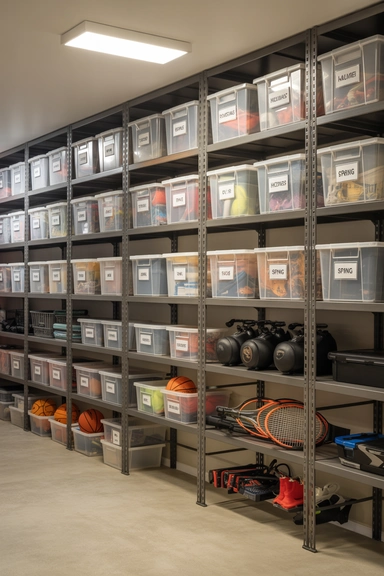
Basements are ideal for storing items used only part of the year, such as holiday décor, winter gear, or summer equipment. Seasonal rotation planning assigns shelves based on frequency of access. Current-season items stay at reachable heights, while off-season bins move to higher or deeper storage positions.
For basement organization ideas that make extra space work, rotation planning prevents repetitive full reorganizing every season. Instead of reshuffling the entire basement, only defined zones shift. This saves time, protects stored goods, and keeps the space consistently orderly year-round.
12-Document and Archive Storage Stations
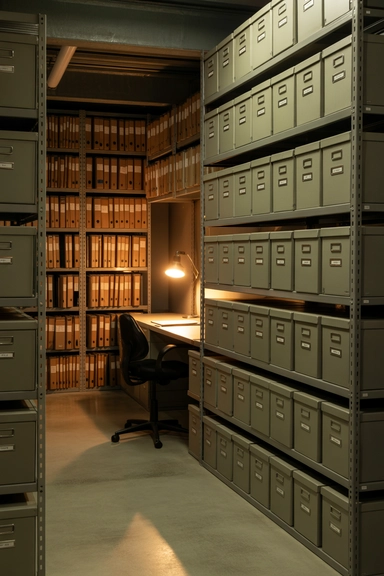
Paper records, keepsakes, and archived household documents often end up in random basement boxes. Creating a dedicated archive station with file cabinets, waterproof document boxes, and labeled folders protects important papers from moisture and misplacement. Elevated shelving keeps documents off floors and away from potential water exposure.
In basement organization ideas that make extra space work, archive stations also simplify retrieval. Instead of digging through stacked boxes, files remain categorized and reachable. This brings long-term order to paper storage and prevents the basement from becoming a forgotten dumping ground for sensitive records.
13-Open Shelving for Quick-Access Storage
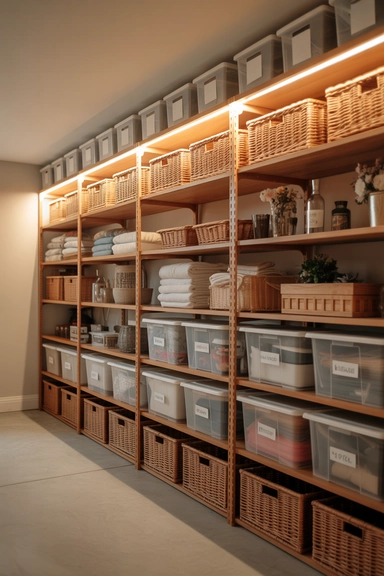
Basements often store items that are used occasionally but still need to stay reachable. Open shelving provides immediate visibility, preventing the frustration of searching through stacked boxes. Sturdy shelves keep containers, baskets, and equipment lifted off the floor, protecting them from dust and minor moisture issues. When items are arranged by category, open shelving turns the basement into a practical storage extension rather than a hidden dumping zone.
For basement organization ideas that make extra space work, open shelving also supports routine maintenance. You can quickly assess inventory, notice when bins overflow, and correct disorder before clutter spreads. This visibility-based system keeps the basement functional without requiring frequent large-scale reorganizing.
14-Waterproof Storage Solutions for Moisture Protection
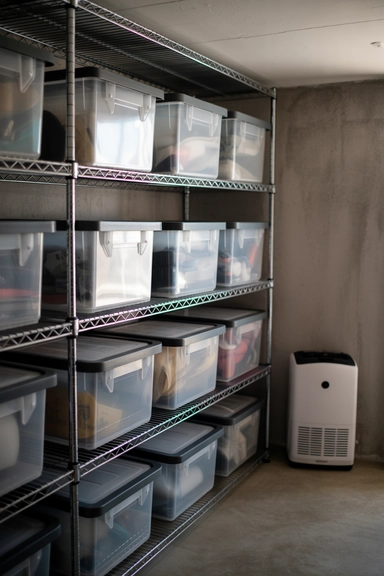
Basements naturally carry a higher risk of humidity and minor water exposure. Waterproof storage bins and sealed containers protect fabrics, paper goods, and electronics from damage. Elevated shelving combined with sealed boxes creates a double layer of protection that preserves stored items long-term.
In basement organization ideas that make extra space work, moisture-safe storage prevents costly loss and repeated replacement of belongings. Instead of worrying about environmental damage, homeowners can confidently use basement space for valuable storage. This reliability transforms the basement from a risky area into a dependable extension of home storage.
15-Multi-Purpose Work and Hobby Zones
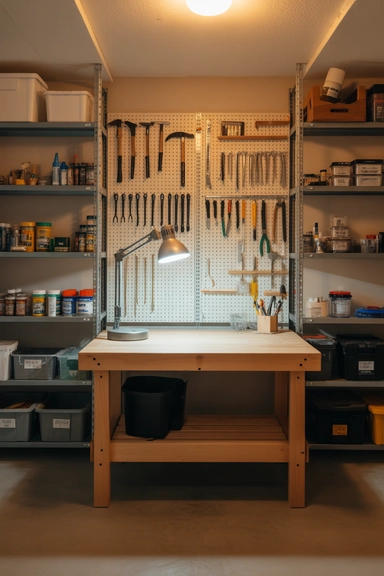
Many basements double as hobby rooms, repair areas, or creative studios. Defining a multi-purpose work zone with a dedicated table, task lighting, and nearby storage keeps projects contained. Tools, craft supplies, or DIY materials stay organized close to the workspace instead of spreading across the entire basement.
For basement organization ideas that make extra space work, work zones also protect storage order. When projects finish, supplies return to their designated shelves or cabinets. This prevents half-completed tasks from turning into permanent clutter and keeps the basement ready for both storage and activity.
16-Stacked Drawer Units for Small Item Control
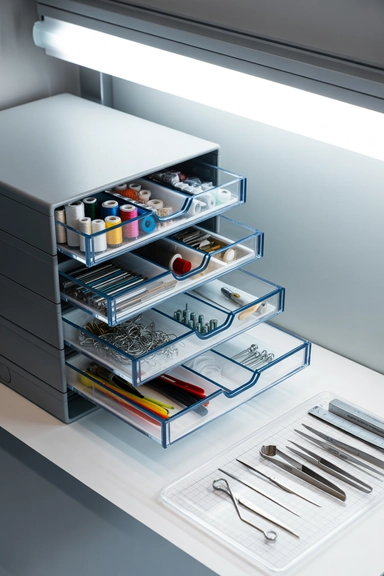
Small items such as hardware, sewing supplies, electronics parts, or household tools easily become lost in large storage bins. Stacked drawer units provide shallow compartments that separate items by type. Transparent drawer fronts make contents visible without opening each section, saving time and frustration.
In basement organization ideas that make extra space work, drawer units also prevent micro-clutter buildup. Instead of small items spilling onto shelves or tables, they stay contained in precise compartments. This level of detail organization strengthens the entire storage system and keeps basement surfaces consistently clear.
17-Color-Coded Category Organization Systems
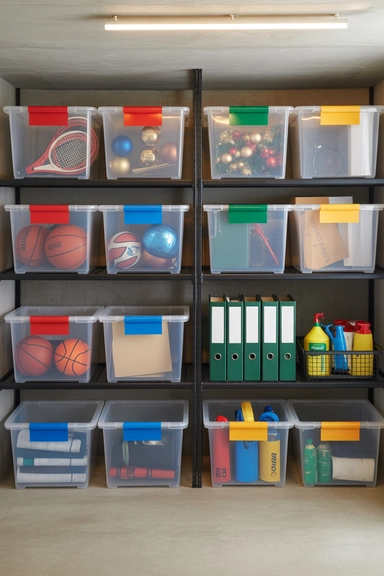
When multiple family members use basement storage, confusion over item placement can break even the best systems. Color-coded category markers on bins, shelves, or labels create instant visual guidance. Seasonal décor, sports gear, archives, and utility supplies each gain a distinct visual identity.
For basement organization ideas that make extra space work, color systems reduce misplacement without requiring constant reminders. Everyone in the household can recognize where items belong at a glance. If you are also applying visual zoning in other storage areas, 21 Utility Closet Organization Ideas That Eliminate Household Clutter extends this same category-based logic throughout the home.
18-Mobile Storage Carts for Flexible Use
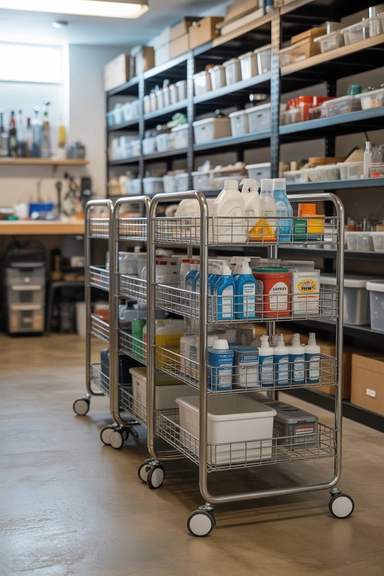
Basements often need to adapt between storage, laundry, hobbies, and recreation. Mobile storage carts with wheels provide flexible storage that moves where needed. Cleaning supplies, tools, or craft materials can roll to active zones and return to storage positions afterward.
In basement organization ideas that make extra space work, mobile carts prevent temporary activity clutter from spreading permanently. Instead of leaving items on floors or tables, carts keep everything contained and transportable. This mobility keeps basement organization dynamic while maintaining long-term order.
19-Dedicated Bulk Supply Storage Zones
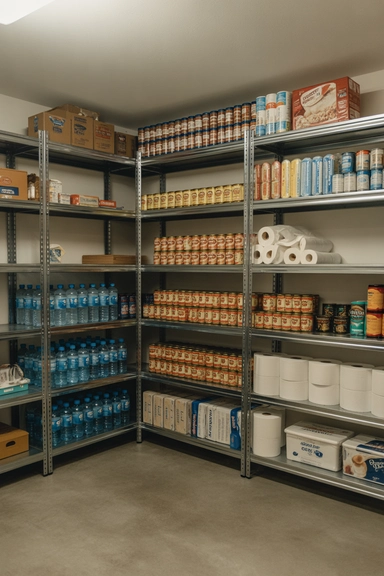
Basements are ideal for storing bulk household purchases such as paper goods, bottled water, canned food backups, and cleaning supplies. Without a defined zone, these large quantities often spill across shelves and floors, creating visual overload. A dedicated bulk supply zone with deep shelving or pallet-style platforms keeps heavy items supported and organized by category. Elevating stock off the floor also protects from moisture while keeping inventory easy to monitor.
For basement organization ideas that make extra space work, bulk zones also improve shopping habits. When reserve supplies stay visible and contained, overbuying decreases and restocking becomes intentional. This keeps the basement from becoming a warehouse-style clutter zone and instead turns it into a controlled storage extension of the kitchen and utility areas.
20-Soft Storage Solutions for Textiles and Linens
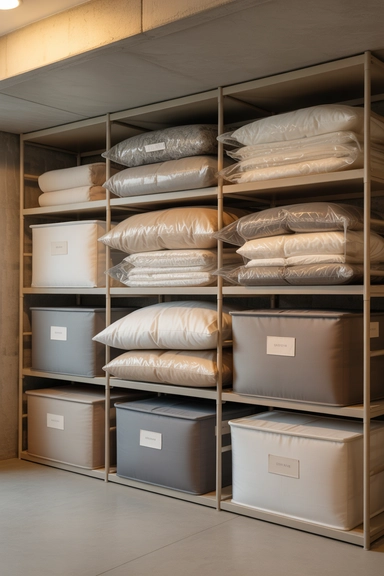
Extra bedding, seasonal curtains, and stored clothing often end up stuffed into random boxes where airflow is limited. Soft storage solutions such as breathable fabric bins, vacuum-sealed bags, and lidded textile boxes protect linens while saving space. Placing these containers on dedicated shelves prevents compression damage and keeps fabrics fresh over long storage periods.
In basement organization ideas that make extra space work, textile storage zones also free interior closets from overflow. Instead of cramming wardrobes, soft goods move to the basement in structured systems. This improves whole-home organization while keeping basement storage clean, accessible, and visually calm.
21-Long-Term Keepsake and Memory Storage
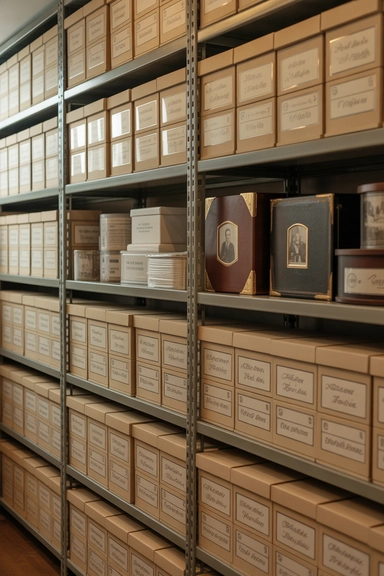
Basements often hold sentimental items such as photo albums, childhood keepsakes, and family memorabilia. Without care, these items get mixed with general storage and risk damage or loss. Creating a dedicated keepsake zone with archival-quality boxes, labeled containers, and stable shelving protects irreplaceable belongings from moisture, dust, and accidental handling.
For basement organization ideas that make extra space work, memory storage zones also bring emotional clarity. When sentimental items have a respectful, defined place, they no longer contribute to clutter guilt. Instead, they remain preserved, accessible, and organized without taking over everyday living spaces.
Conclusion
Basement organization ideas that make extra space work rely on structure, protection, and intentional zoning rather than constant tidying. When storage systems match how the household actually functions, the basement becomes a reliable extension of the home instead of a forgotten storage pit. With defined zones, proper containers, and consistent placement habits, extra space stays useful, accessible, and clutter-free for the long term.