
Introduction
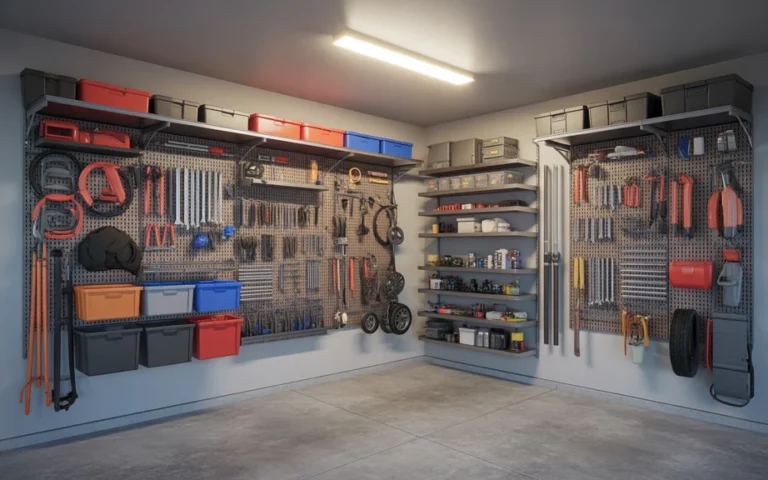
Kitchen cupboards become cluttered not because they lack space, but because items with different sizes, uses, and frequencies are forced to coexist without structure. When cupboards are disorganized, daily cooking tasks slow down, surfaces fill up, and frustration builds even in well-designed kitchens. Effective kitchen cupboard hacks focus on reducing friction by controlling placement, access, and visibility rather than simply adding more storage. When cupboards reflect how items are actually reached for, used, and returned, clutter begins to resolve itself. These systems work best when supported by kitchen cabinet organization ideas that create clear storage boundaries.
1. Category-Based Cupboard Storage That Prevents Mixing
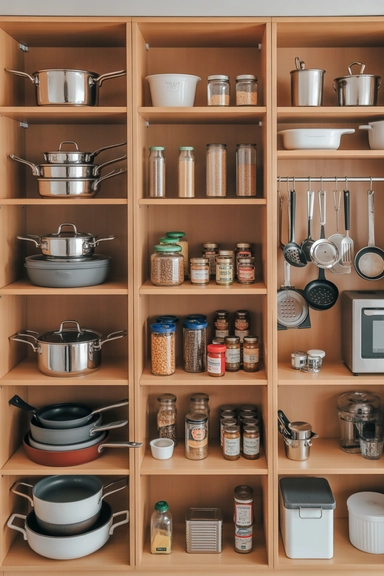
One of the most effective kitchen cupboard hacks is separating items by clear categories rather than stacking them wherever space appears. Mixing cookware, pantry items, and tools in the same cupboard creates constant disruption, as every retrieval requires rearranging. Category-based storage assigns each cupboard a specific role, which reduces movement and keeps items from drifting across cabinets.
This approach simplifies decision-making. When each cupboard has a purpose, items naturally return to their place after use. In small kitchens, categories prevent overcrowding. In larger kitchens, they stop storage from becoming scattered. Clear categorization transforms cupboards from catch-all spaces into functional systems.
2. Shelf Height Adjustments That Match Item Proportions
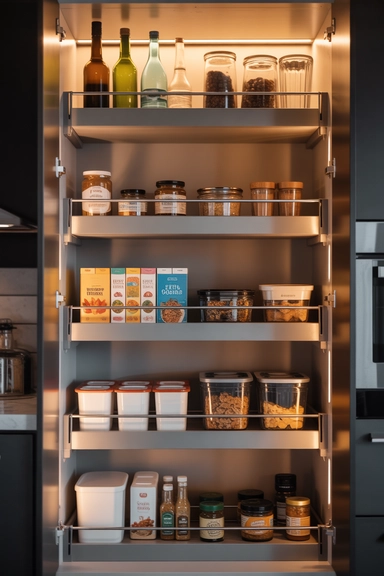
Many cupboards waste space because shelf heights do not match the items stored on them. Oversized gaps encourage stacking and piling, which leads to instability and clutter. Smart kitchen cupboard hacks adjust shelf spacing so items fit comfortably without excess vertical space.
Matching shelf height to item size improves visibility and access. Tall items remain upright, while smaller items avoid being buried beneath stacks. In tight kitchens, proper shelf spacing maximizes usable capacity. In larger cupboards, it maintains order across wider spans. Correct proportions reduce clutter by design rather than discipline.
3. Pull-Out Solutions That Eliminate Back-of-Cupboard Chaos
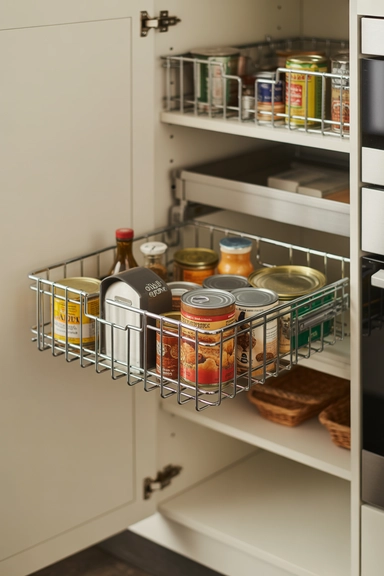
Deep cupboards often hide clutter at the back, where items are forgotten or duplicated. Pull-out solutions transform these spaces by bringing contents fully into view. Instead of reaching and shifting stacks, everything becomes accessible at once.
Pull-out shelves or baskets work best when they limit stacking height. Overloaded pull-outs recreate the same chaos in motion. In small kitchens, pull-outs make deep cupboards usable. In larger kitchens, they maintain order across high-capacity storage. Visibility is the key factor that keeps these systems functional over time.
4. Vertical Dividers That Keep Flat Items Upright
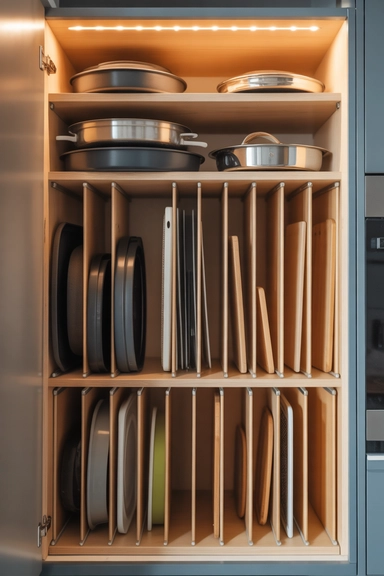
Flat items such as baking trays, cutting boards, and lids are frequent sources of cupboard clutter because they resist stacking. Vertical dividers are one of the simplest kitchen cupboard hacks for keeping these items accessible and orderly.
Storing flat items upright prevents shifting and makes selection faster. Dividers should be spaced tightly enough to prevent leaning. In small kitchens, this approach frees shelf space immediately. In larger kitchens, it prevents wide cupboards from collapsing into piles. Vertical organization stabilizes items that otherwise cause daily disruption.
5. Designated Zones That Reduce Daily Re-Sorting
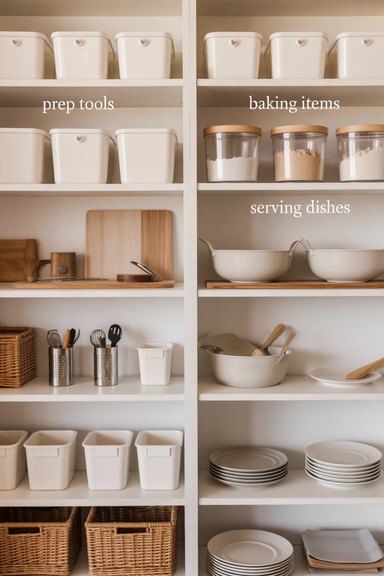
Cupboards often require constant re-sorting because items lack fixed positions. Designated zones solve this by assigning specific areas within cupboards for related items. When zones are defined, items no longer compete for space.
Zones work best when they align with workflow, such as prep, cooking, or storage. In small kitchens, zoning reduces congestion. In larger kitchens, it maintains consistency across multiple cupboards. Clear zones turn cupboards into predictable environments, reducing the need for daily adjustments.
6. Containerized Storage That Stops Small Items From Spreading
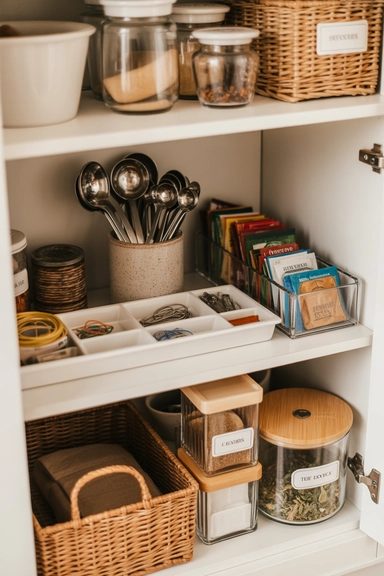
Small kitchen items create disproportionate clutter when they are allowed to move freely inside cupboards. Containerized storage is one of the most reliable kitchen cupboard hacks for keeping these items contained and predictable. Grouping smaller tools, packets, or accessories into defined containers prevents them from drifting into empty corners and blocking access to larger items.
Containers should be sized intentionally. Oversized bins invite dumping, while undersized ones cause overflow. In small kitchens, containerized storage preserves order within tight cupboards. In larger kitchens, it prevents scattered clutter across wide shelves. Containment turns loose items into manageable units.
7. Clear Storage That Improves Visibility and Reduces Duplication
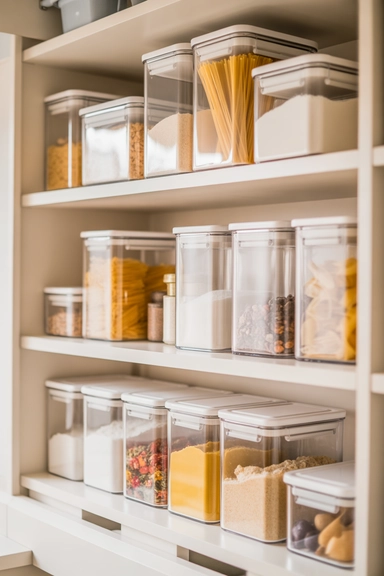
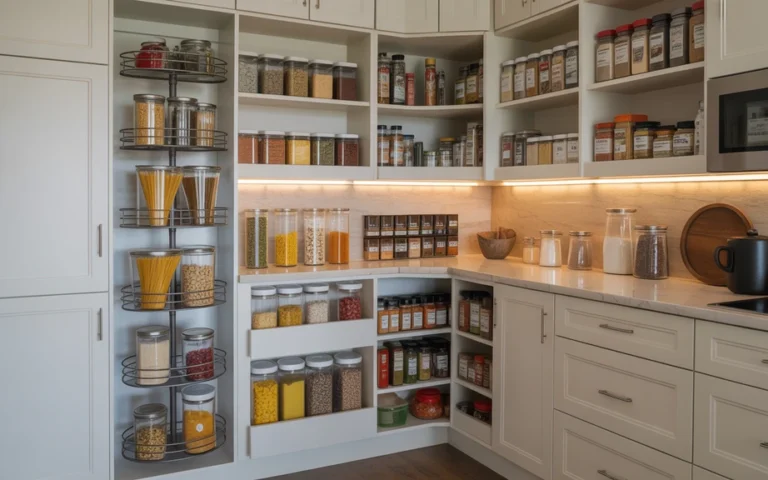
Visibility plays a major role in reducing cupboard clutter. When items are hidden behind opaque containers or stacked too deeply, they are forgotten and repurchased unnecessarily. Clear storage is a practical kitchen cupboard hack that keeps contents visible without requiring open shelving.
Clear bins or containers allow quick inventory checks and faster retrieval. This reduces rummaging and prevents overbuying. In small kitchens, visibility prevents wasted space. In larger kitchens, it keeps stock levels controlled. Seeing what is stored is often enough to stop clutter from accumulating again.
8. Frequency-Based Placement That Matches Daily Use
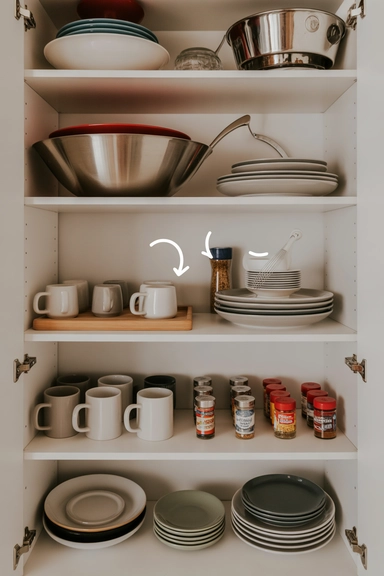
Cupboard organization fails when frequently used items are stored in inconvenient locations. One of the most effective kitchen cupboard hacks is arranging items based on how often they are used. Daily-use items should sit at eye or waist level, while occasional items move higher or deeper.
This placement reduces disruption during cooking and cleanup. In small kitchens, frequency-based placement prevents constant reshuffling. In larger kitchens, it streamlines workflow across multiple cupboards. When access matches usage, items are more likely to return to their proper place.
9. Stack Control That Prevents Collapse and Rework
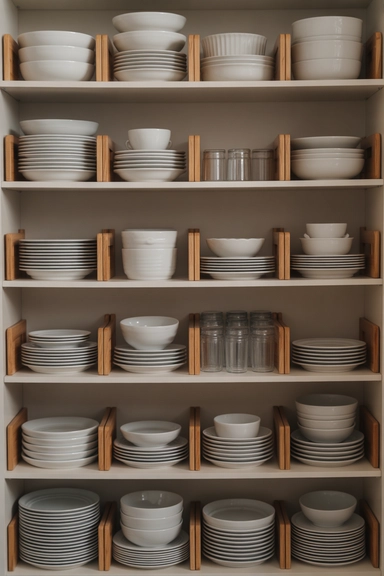
Stacking is unavoidable in kitchen cupboards, but uncontrolled stacks quickly lead to clutter. Smart kitchen cupboard hacks limit stack height and enforce stability. Short, consistent stacks are easier to access and less likely to topple when one item is removed.
Stack control often requires physical limits such as shelf dividers or adjusted shelf heights. In small kitchens, this prevents cabinets from becoming unusable. In larger kitchens, it maintains order across deeper storage. Controlled stacking reduces daily rework caused by collapsing piles.
10. Door-Mounted Storage That Uses Overlooked Space
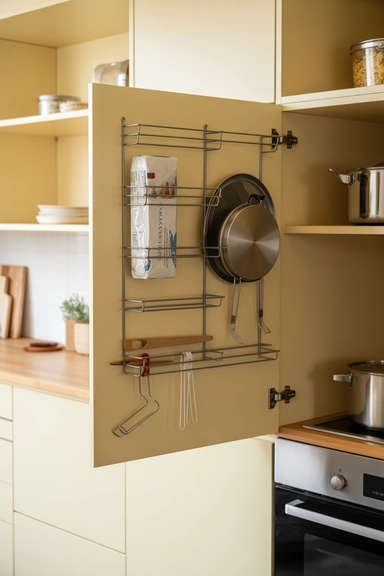
Cupboard doors offer valuable storage potential that is often ignored. Door-mounted racks or hooks are effective kitchen cupboard hacks for storing lightweight items such as wraps, lids, or small tools. This approach uses space that would otherwise remain empty.
Door storage must remain shallow to avoid interfering with shelf contents. Overloading doors causes misalignment and frustration. In small kitchens, door-mounted storage adds capacity without shrinking shelves. In larger kitchens, it keeps frequently used items within easy reach without cluttering main storage areas.
11. Consistent Storage Systems That Reduce Visual Noise
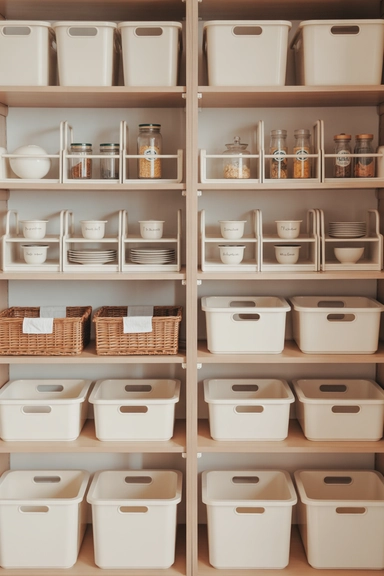
Visual inconsistency inside cupboards contributes to the feeling of clutter even when items are technically organized. Using consistent storage systems, such as matching bins or aligned dividers, reduces visual noise and improves clarity. This is one of the quieter but most effective kitchen cupboard hacks.
Consistency simplifies maintenance. When storage looks cohesive, it is easier to spot when something is out of place. In small kitchens, visual calm prevents overwhelm. In larger kitchens, it maintains order across multiple cupboards. Consistency supports long-term organization without added effort.
12. Cupboard Storage That Accounts for Item Weight and Stability
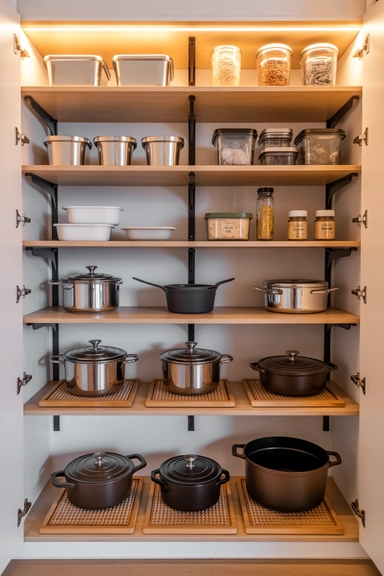
Many kitchen cupboards fail because heavy and lightweight items are stored together without regard for stability. When heavier cookware sits above lighter items, stacks become unstable and cupboards feel difficult to use. Effective kitchen cupboard hacks account for weight by placing heavier items lower and reserving upper shelves for lighter, less frequently used pieces. This reduces strain during lifting and prevents items from shifting unexpectedly.
Weight-aware storage also improves safety and longevity. In small kitchens, improper weight placement increases daily friction because items must be moved repeatedly to access what is needed. In larger kitchens, it leads to cluttered lower cupboards that become catch-all zones. Aligning storage with weight distribution creates cupboards that feel easier to use and naturally resist disorder.
13. Storage That Separates Prep Tools From Cooking Equipment
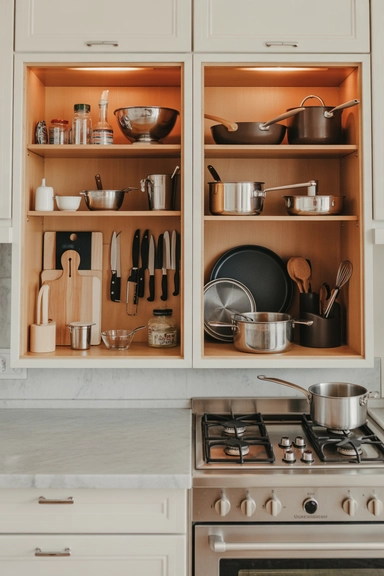
Prep tools and cooking equipment serve different phases of kitchen work, yet they are often stored together, causing unnecessary overlap and clutter. Smart kitchen cupboard hacks separate these categories so each has a clear, functional home. Prep tools belong near countertops and cutting areas, while cooking equipment aligns better with stovetops and ovens.
This separation reduces back-and-forth movement during cooking. In small kitchens, it prevents congestion around limited work zones. In larger kitchens, it maintains logical flow across multiple cupboards. When storage mirrors the sequence of cooking tasks, cupboards stay organized because items return to the places where they are actually used.
14. Adjustable Storage That Evolves With Changing Needs
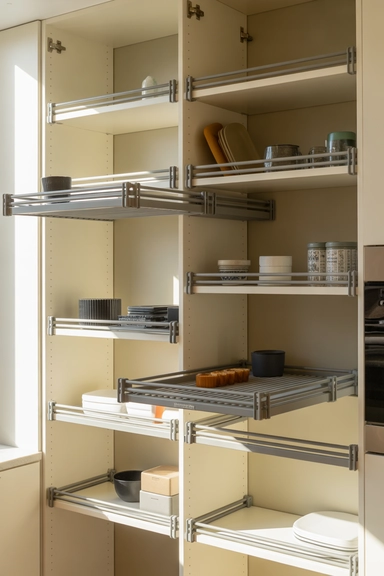
Rigid cupboard systems struggle to remain effective as kitchen needs change. Adjustable storage is one of the most resilient kitchen cupboard hacks because it allows shelves, dividers, and inserts to adapt over time. Without adjustability, cupboards either become overcrowded or underutilized as items are added or removed.
Adjustable systems work best when changes are incremental rather than constant. In small kitchens, flexibility prevents the need for full reorganizations. In larger kitchens, it supports seasonal shifts or evolving cooking habits. Storage that can adapt maintains order longer because it accommodates change instead of resisting it.
15. Storage That Prevents Overbuying Through Visibility
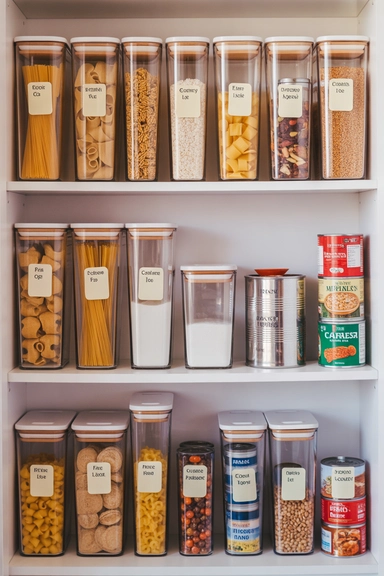
Cupboard clutter often grows because items are purchased unnecessarily when existing supplies are forgotten. Visibility-focused kitchen cupboard hacks reduce this problem by keeping inventory easy to assess at a glance. When items are clearly visible, overbuying slows naturally.
This does not require open cupboards. Clear containers, shallow shelves, or front-facing placement can achieve the same effect. In small kitchens, visibility prevents duplication that overwhelms limited space. In larger kitchens, it keeps stock levels reasonable. Seeing what you have is one of the simplest ways to prevent clutter from entering the cupboard in the first place.
16. Cupboard Layouts That Support Easy Reset After Cooking
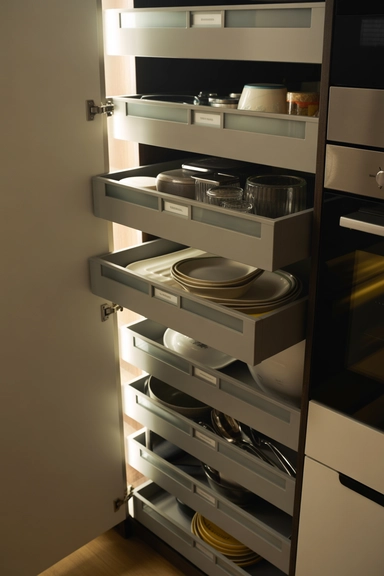
Cupboards often fall into disorder not during use, but during cleanup. If items are difficult to return, they remain on counters or are shoved into random spaces. Effective kitchen cupboard hacks prioritize easy reset by making storage intuitive and forgiving. Items should slide back into place without precision stacking or rearranging other contents.
Ease of reset depends on proximity and clarity. Storage should be close to where items are used and visually obvious. In small kitchens, this prevents counter buildup. In larger kitchens, it maintains order across multiple cupboards. Systems that support quick cleanup keep clutter from reappearing daily.
17. Storage That Creates a Sense of Completion Inside Cupboards
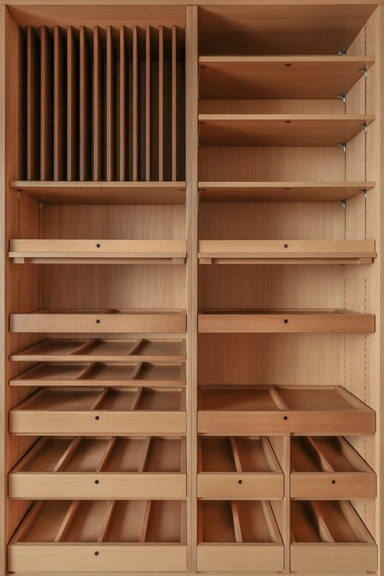
Cupboards feel cluttered when storage looks improvised rather than intentional. One of the most overlooked kitchen cupboard hacks is treating cupboard interiors as finished spaces. Aligned dividers, consistent spacing, and cohesive storage materials create a sense of order that encourages maintenance.
When cupboards feel complete, people are less likely to disrupt them. In small kitchens, this reduces stress and wasted movement. In larger kitchens, it prevents slow drift into chaos. Finished storage signals that everything has a place, making organization easier to sustain over time.
18. Cupboard Storage That Aligns With Daily Movement Patterns
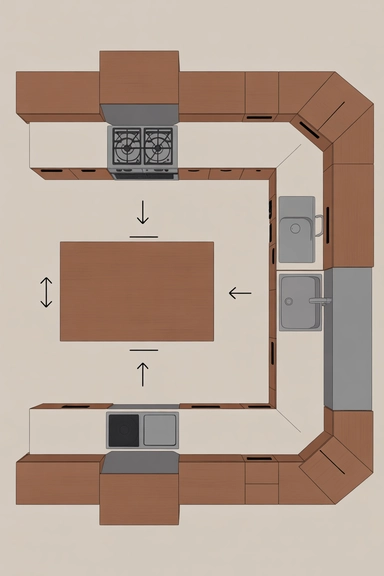
Kitchen cupboards often feel cluttered because storage placement ignores how people move while cooking. When frequently used items sit far from prep or cooking zones, they are left out on counters, creating visual and functional mess. Effective kitchen cupboard hacks align storage with movement patterns so items can be reached and returned without detours.
In small kitchens, even a few extra steps interrupt flow and encourage clutter. In larger kitchens, poor alignment causes items to migrate across cupboards. When storage mirrors daily movement, cupboards stay orderly because items naturally return to where they belong.
19. Narrow Storage Solutions for Tight Cupboard Layouts
Wide cupboards often receive the most attention, but narrow cupboards are where clutter quietly builds. Narrow storage solutions are powerful kitchen cupboard hacks for tight layouts because they force intentional placement. Slim shelves, narrow pull-outs, or vertical organizers prevent random piling.
Narrow storage limits excess by design. In small kitchens, it makes awkward spaces usable. In larger kitchens, it prevents side cupboards from becoming dumping grounds. When width is constrained thoughtfully, organization becomes easier to maintain without constant adjustment.
20. Storage That Keeps Similar Materials Together
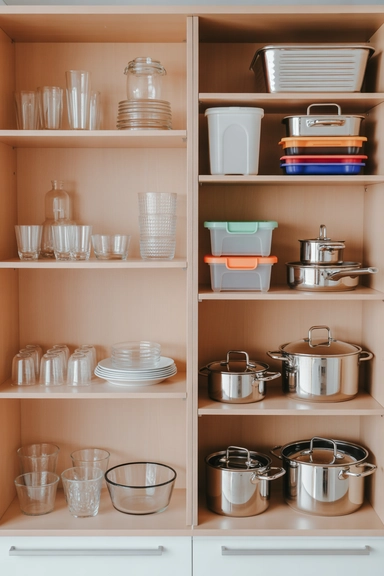
Mixing materials such as glass, plastic, metal, and silicone in the same cupboard creates instability and visual disorder. Smart kitchen cupboard hacks group similar materials together so stacking, nesting, and weight distribution remain predictable. This reduces shifting and breakage.
Material-based grouping also simplifies access. In small kitchens, it prevents cupboards from becoming hazardous. In larger kitchens, it improves efficiency and longevity of storage systems. When materials are stored with like items, cupboards function more smoothly and stay organized longer.
21. Rotation-Friendly Storage That Supports Regular Use
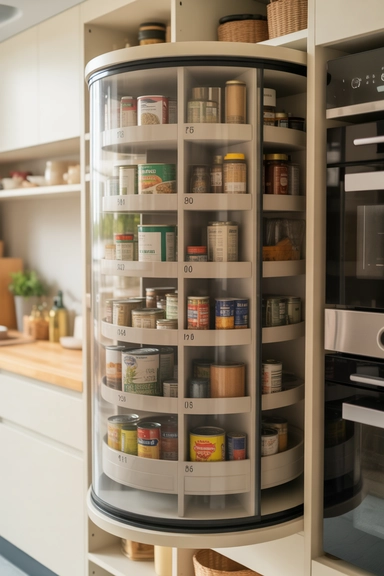
Cupboards fail when older items are buried and never reused. Rotation-friendly kitchen cupboard hacks keep items cycling naturally through the system. Front-to-back or side-by-side access ensures items are used evenly rather than forgotten.
This approach supports hygiene and reduces waste. In small kitchens, rotation prevents overcrowding from unused items. In larger kitchens, it keeps storage balanced over time. When rotation is built into the layout, cupboards remain functional without periodic overhauls.
22. Storage That Adapts to Changing Household Needs
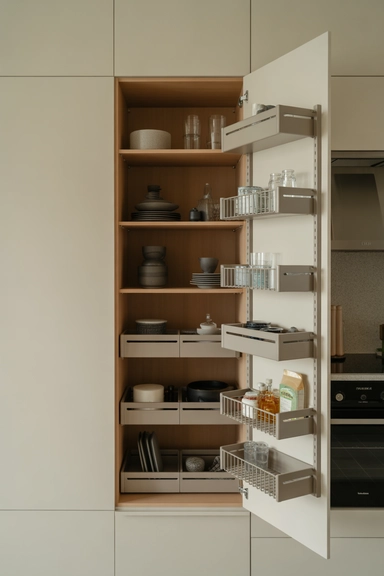
Kitchen needs change as routines, diets, and household sizes shift. Rigid cupboard systems struggle to keep up, leading to clutter. Adaptive kitchen cupboard hacks allow storage to change without breaking the overall structure. Adjustable shelves, movable dividers, and modular inserts provide flexibility.
In small kitchens, adaptability prevents overcrowding. In larger kitchens, it keeps cupboards responsive rather than static. Storage that can evolve maintains order because it accommodates change instead of resisting it.
23. Cupboard Storage That Feels Finished, Not Temporary
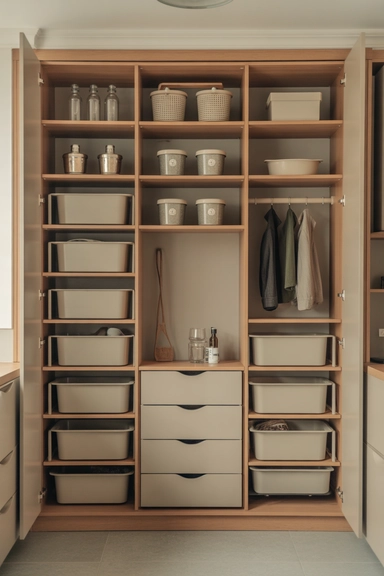
Cupboards often remain cluttered because storage looks temporary or mismatched. The most effective kitchen cupboard hacks treat cupboard interiors as finished spaces. Consistent materials, aligned dividers, and thoughtful spacing create visual and functional closure.
When cupboards feel finished, people maintain them instinctively. In small kitchens, this reduces daily stress. In larger kitchens, it prevents gradual drift into disorder. Finished storage signals permanence, making organization easier to sustain.
Conclusion
Reducing daily cupboard clutter is less about adding storage and more about designing systems that align with real kitchen behavior. Kitchen cupboard hacks work when they control movement, visibility, weight, and return paths. By matching storage to how items are used and limiting friction at every step, cupboards remain orderly without constant effort. The most effective solutions quietly guide items back into place, keeping kitchens functional, calm, and easier to manage over time.